


Within the realm of industrial electric motors, a specific efficiency classification has established itself as a global benchmark for performance and energy conservation: the Y2 motor. This designation refers to a series of three-phase asynchronous motors that meet a defined set of international efficiency standards. The widespread adoption of the Y2 motor across manufacturing, HVAC systems, and general machinery underscores a significant shift in industrial priorities, where reducing operational costs and environmental impact through improved electrical efficiency is paramount. The Y2 motor represents a mature, reliable technology that forms the electro-mechanical heart of countless applications worldwide.
The core significance of the Y2 motor lies in its optimized design for energy efficiency. Unlike older motor series, the Y2 motor is engineered with enhanced electromagnetic materials, improved cooling fan designs, and refined manufacturing tolerances to less losses. These losses, which occur as heat due to factors like copper resistance (I²R losses) and magnetic core hysteresis, are systematically reduced in the Y2 motor design. The result is a motor that converts a higher percentage of incoming electrical energy into useful mechanical work at the shaft. This focus on efficiency is not merely a technical specification; it translates directly into lower electricity consumption for end-users, offering a compelling return on investment through reduced utility bills over the motor's operational lifespan.

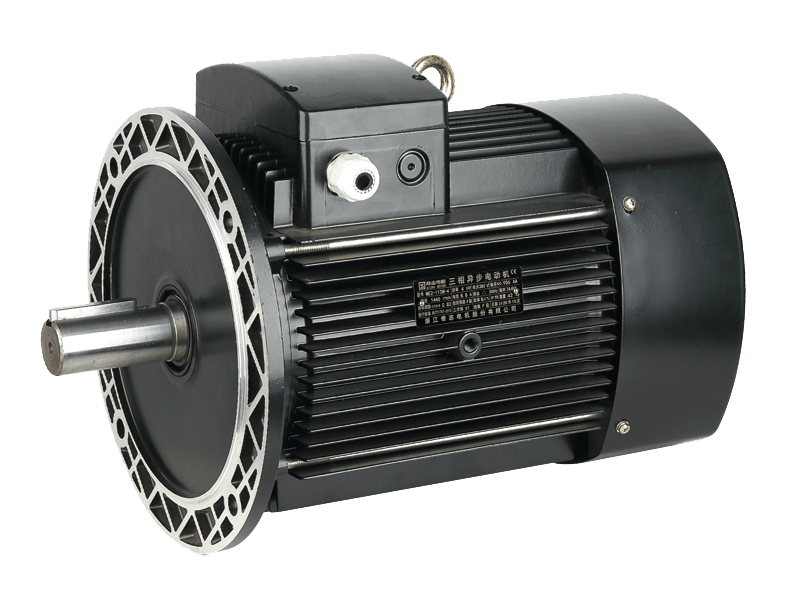
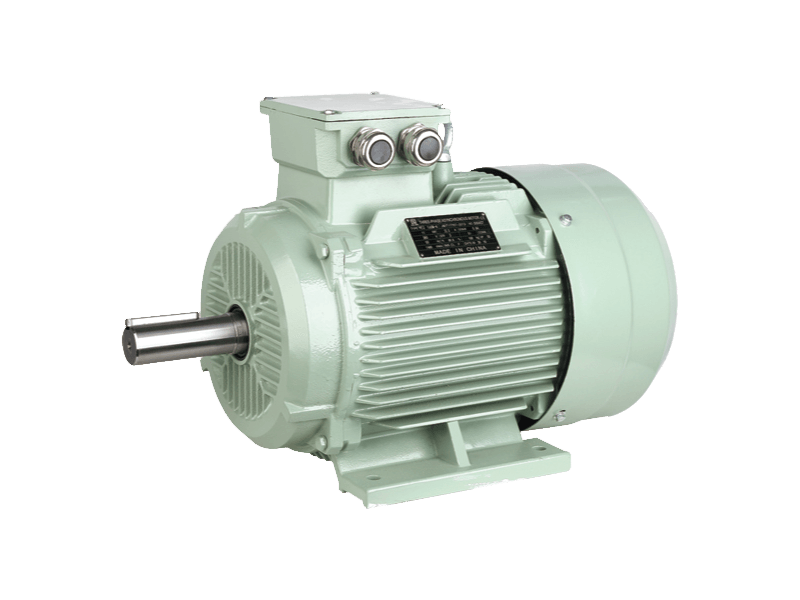
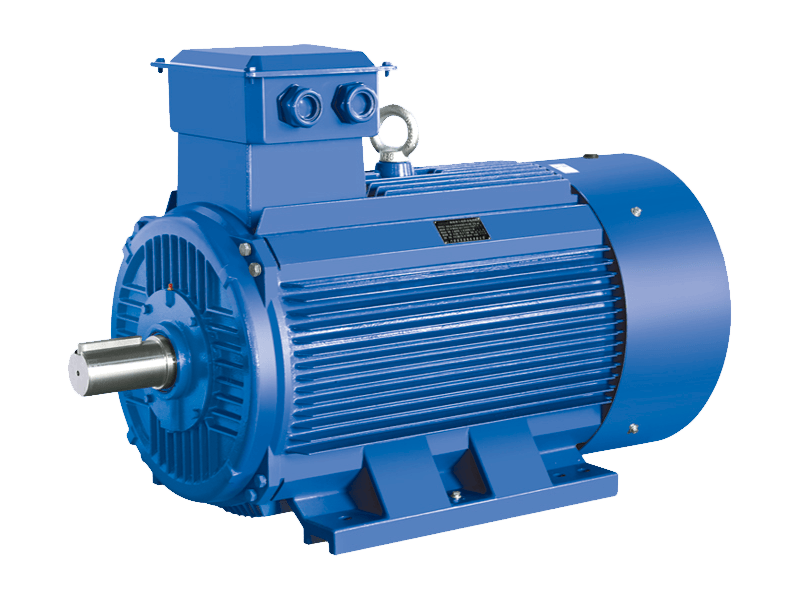
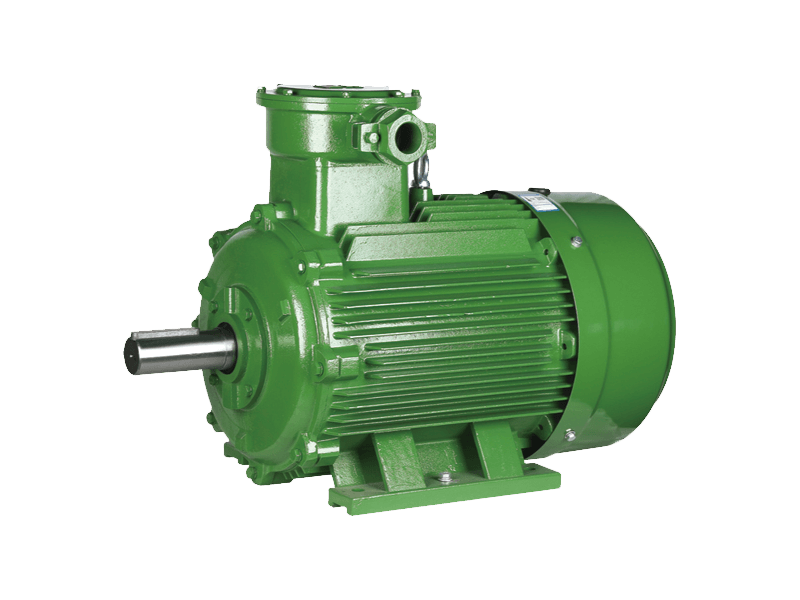
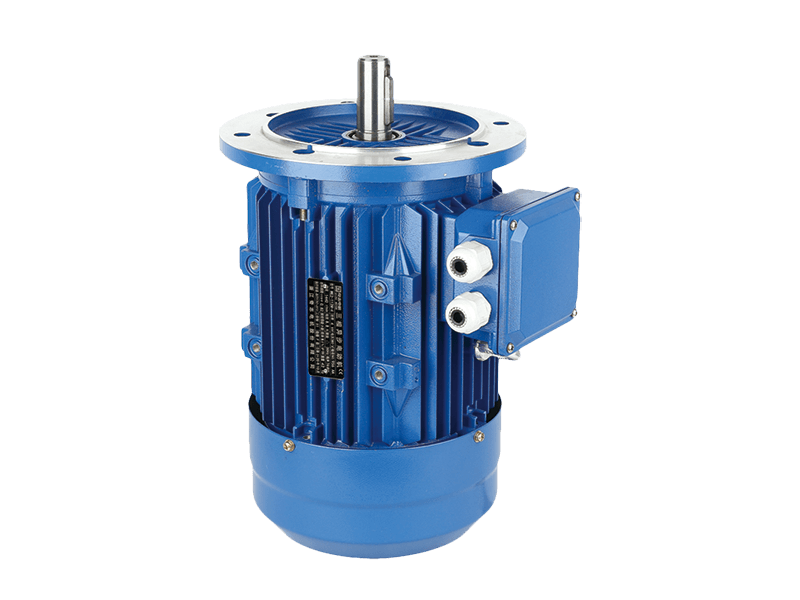
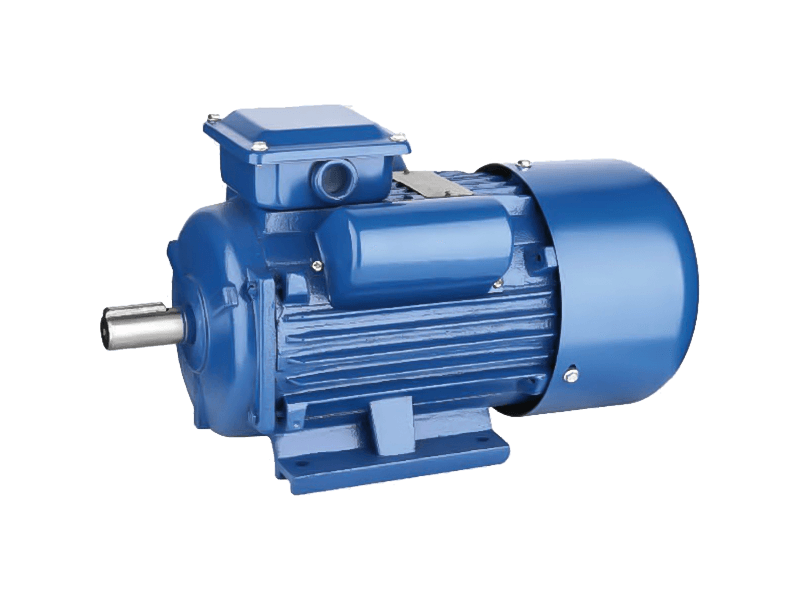
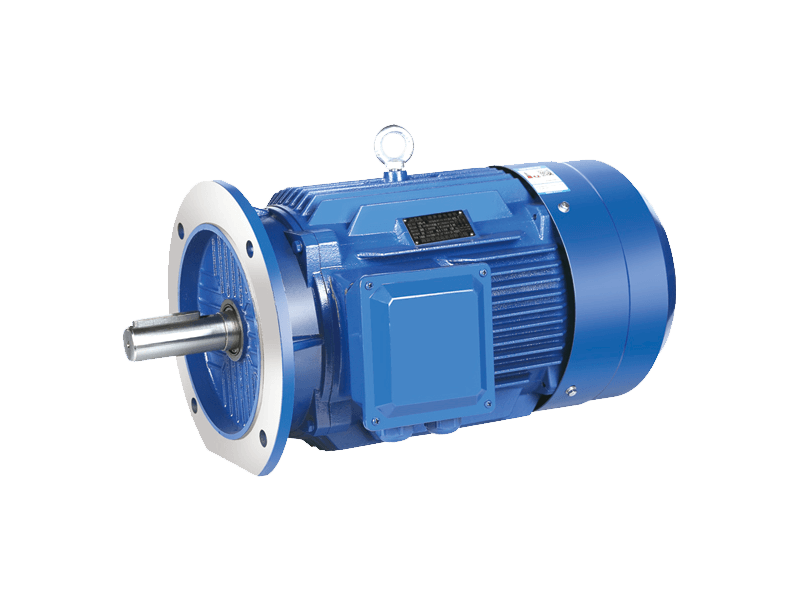
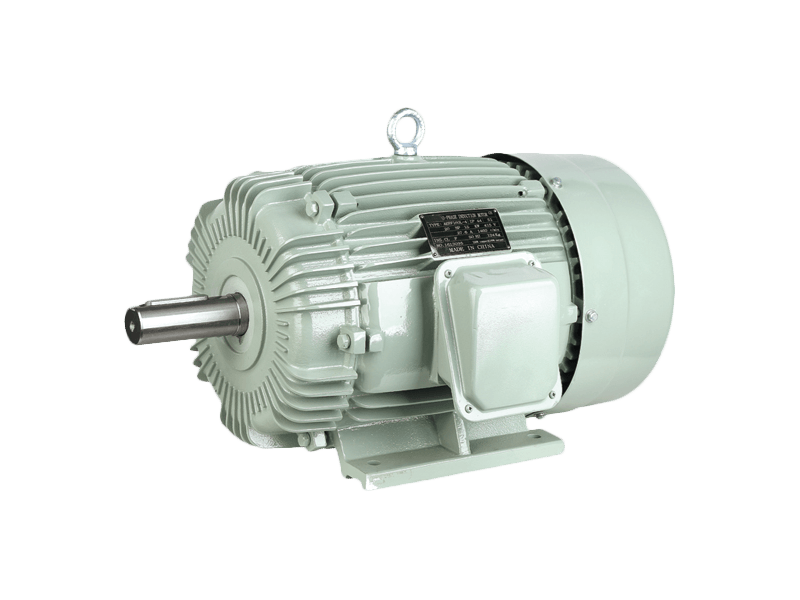
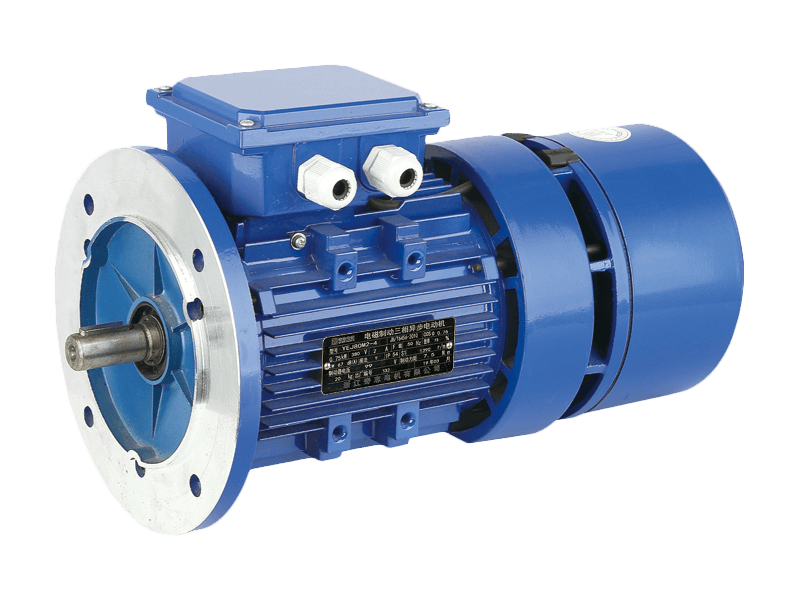
The design and construction of a standard Y2 motor prioritize durability and consistent performance. These motors typically feature a cast-iron frame for robust mechanical strength and effective heat dissipation. The insulation system is designed to withstand thermal stresses and ensure long-term reliability. The Y2 motor is available in a wide range of standard power ratings and frame sizes, ensuring compatibility with existing machinery and international mounting dimensions. This standardization, coupled with its efficiency gains, has made the Y2 motor a default or preferred choice for OEMs (Original Equipment Manufacturers) integrating motor-driven components into pumps, fans, compressors, conveyors, and machine tools.
The market context for the Y2 motor is shaped by global energy regulations and economic factors. Many countries have implemented or are adopting small energy performance standards that effectively mandate the use of motors meeting or exceeding Y2 motor efficiency levels. This regulatory push has accelerated the phase-out of obsolete, energy-wasting motors and solidified the Y2 motor's position as the workhorse of modern industry. While even higher efficiency classes exist, the Y2 motor often represents an ideal balance of performance, cost, and availability for a vast array of applications.
The role of the Y2 motor is evolving within a broader trend toward system-wide optimization and digitalization. While the motor itself is a mature product, its integration with variable frequency drives is becoming standard practice. Pairing a Y2 motor with a VFD allows for precise speed control, which can lead to far greater energy savings than a fixed-speed motor alone, especially in pump and fan applications. Furthermore, the growing integration of sensors for condition monitoring—tracking temperature, vibration, and load—is turning the reliable Y2 motor into a data point in smart factory ecosystems, enabling predictive maintenance. As the industrial world continues its march toward greater efficiency and connectivity, the Y2 motor remains a foundational, efficient, and adaptable component, proving that incremental improvements in core technology can yield substantial collective benefits.
 中文简体
中文简体 русский
 Español