


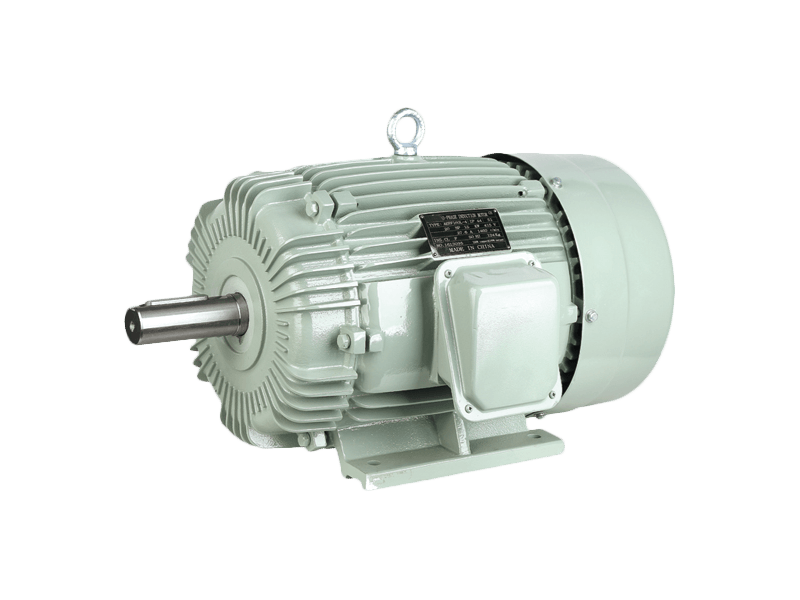
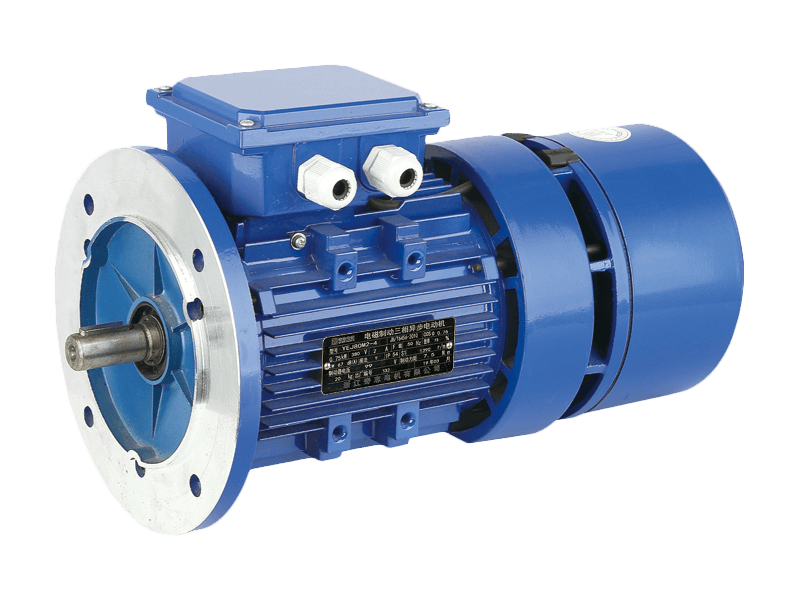
The global shift toward enhanced energy efficiency in industrial and commercial equipment is prominently reflected in the accelerating adoption of the IE3 motor. As an international efficiency classification defined by the International Electrotechnical Commission, the IE3 motor designation specifies a "Premium Efficiency" performance level for three-phase asynchronous motors. This specific class of motor is becoming a standard reference point for manufacturers, system integrators, and end-users who are responding to regulatory requirements and pursuing long-term operational cost savings through reduced electricity consumption.
The fundamental value of an IE3 motor lies in its improved design and construction, which lesss energy losses during operation. Compared to lower efficiency classes, an IE3 motor incorporates enhanced materials and engineering techniques. These include the use of higher-quality electrical steel laminations in the core to reduce magnetic losses, optimized winding designs with more copper to lower resistive losses, and improved manufacturing tolerances for better overall performance. The result is an IE3 motor that converts a greater percentage of input electrical power into useful mechanical work, generating less waste heat and contributing to lower energy bills for operators across its service life.
Regulatory frameworks are a primary driver behind the widespread specification of the IE3 motor. Numerous regions, including the European Union, the United States, and parts of Asia, have implemented mandatory small efficiency standards that effectively require the use of IE3 motors for a broad range of power ratings in new equipment. This regulatory push ensures that the IE3 motor becomes the baseline technology, phasing out less efficient models from the market. For original equipment manufacturers, designing products around an IE3 motor is increasingly a matter of compliance, influencing supply chains and product development strategies across industries that rely on motor-driven systems.
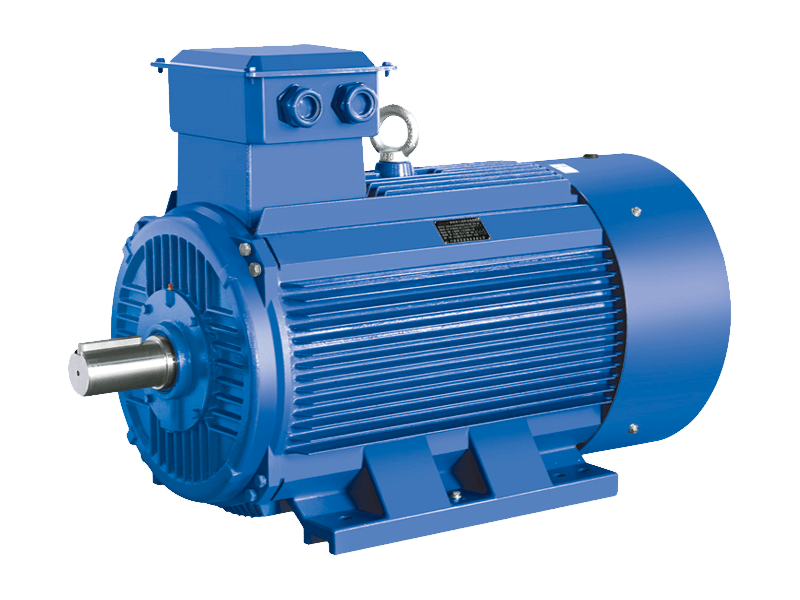
The application scope for the IE3 motor is exceptionally wide, mirroring the ubiquity of electric motor systems. An IE3 motor is commonly found in pumps, fans, compressors, conveyor systems, and various types of processing machinery. In commercial buildings, HVAC systems utilizing an IE3 motor contribute to lower energy consumption for space heating, cooling, and ventilation. The operational benefits of deploying an IE3 motor are many significant in applications with long running hours, where the incremental efficiency gains translate into substantial financial savings over time, often justifying the initial investment in the higher-efficiency motor.
From a lifecycle cost perspective, the economics of an IE3 motor are compelling. While the purchase price of an IE3 motor may be moderately higher than a less efficient equivalent, the total cost of ownership is frequently lower. The energy savings achieved by an IE3 motor during its operational lifetime typically outweigh the initial price premium, a calculation that is becoming standard practice for facility managers and procurement specialists. This focus on total lifecycle cost is further encouraging the retrofitting of existing systems with an IE3 motor during equipment upgrades or overhauls.
The trajectory for the IE3 motor is one of consolidation as a global benchmark. While even higher efficiency classes exist, the IE3 motor represents a substantial and widely adopted step forward in energy conservation. As industries worldwide continue to prioritize sustainability and cost management, the IE3 motor stands as a clear example of how standardized efficiency metrics and supportive regulations can drive tangible technological adoption, reducing energy demand and environmental impact from one of the many common consumers of electrical power in the industrial world.
 中文简体
中文简体 русский
 Español