


A centrifugal pump presents a very different challenge at the moment it starts up than it does once it's running at speed, and a Water Pump Motor 3 Phase unit has to be sized against that starting moment specifically, not just against the running horsepower a pump curve calls for.
A pump impeller sitting motionless in a water-filled casing presents real inertia and hydraulic resistance the instant a Water Pump Motor 3 Phase unit tries to bring it up to speed, which is a meaningfully different load profile than the same motor would see driving a fan or a conveyor from a standing start. Motors selected purely against running horsepower can undersize this starting torque requirement, leading to slow acceleration, excess heat during the extended start, or nuisance tripping on overcurrent protection before the pump ever reaches operating speed. Matching starting torque characteristics to the specific pump's startup resistance, rather than sizing on running load alone, is a detail that gets missed when a motor selection focuses only on the steady-state horsepower figure.
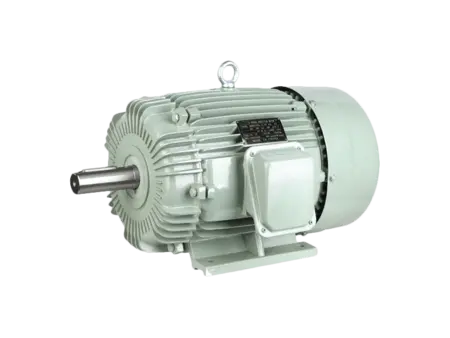
Centrifugal pump power draw follows a cube relationship with speed rather than a linear one, meaning even a modest reduction in running speed produces a disproportionately larger drop in power consumption. A pole-and-speed-changing Water Pump Motor 3 Phase design, built specifically to match variable loads like pumps and fan blowers, takes advantage of that relationship by letting the motor run at a lower speed during periods when full flow isn't needed rather than running a fixed-speed motor at full output and throttling the excess flow away mechanically. Matching motor speed options to a pump's actual flow demand pattern, instead of defaulting to a single fixed running speed, is where a meaningful share of a pumping system's energy use gets decided during motor selection.
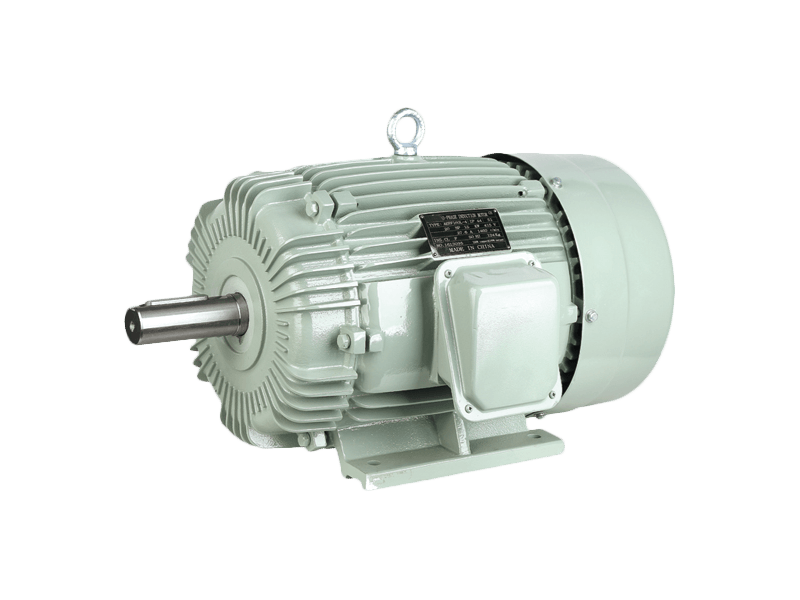
Pump installations routinely sit in humid pump houses, outdoor pump stations, or enclosures where condensation and splash exposure are a normal part of the operating environment rather than an occasional risk. A totally enclosed, fan-cooled Water Pump Motor 3 Phase design keeps that moisture away from the internal windings while still managing heat through external airflow across the housing, which suits this environment better than an open, ventilated motor design built for a drier, cleaner installation setting. Selecting enclosure type against the actual humidity and splash conditions a pump room presents, rather than against a generic industrial rating, is what keeps winding insulation from degrading years ahead of the motor's expected service life.
Starting torque, speed matching, and enclosure protection all trace back to the same underlying point about a Water Pump Motor 3 Phase unit: the pump application it drives behaves differently enough from a generic industrial load that sizing decisions built around that specific load profile outperform ones built around a general-purpose motor spec.
 中文简体
中文简体 русский
 Español