


A gear reducer bolted next to a conveyor in a dry warehouse faces a different set of conditions than one mounted above a filling line that gets hosed down every shift. Stainless steel worm gear reducers are built for the second case, where water, cleaning chemicals and salt in the air would otherwise work their way into a standard housing over time. The housing material, not the gearing inside it, is what sets this version apart from a standard cast iron or aluminum unit.
Inside the housing, stainless steel worm gear reducers use the same worm and gear set found in a standard worm gear reducer, cut from hardened steel and matched to the same reduction ratios. What changes is the outer shell that surrounds that gearing. Stainless steel worm gear reducers replace the die-cast aluminum or cast iron body with a stainless housing, which resists the surface corrosion that repeated washdown cycles or salt-laden air would eventually cause on an untreated metal casing.
This matters more at the seams and fastener points, where water tends to collect and sit longest. A standard worm gear reducer housing left wet at a bolt head or a mounting flange can develop surface rust at that spot well before the rest of the casing shows any wear, and once rust starts at a fastener, it tends to spread along the thread and weaken the seal underneath. Stainless steel worm gear reducers avoid this weak point because the housing material itself resists the corrosion that would otherwise start there.
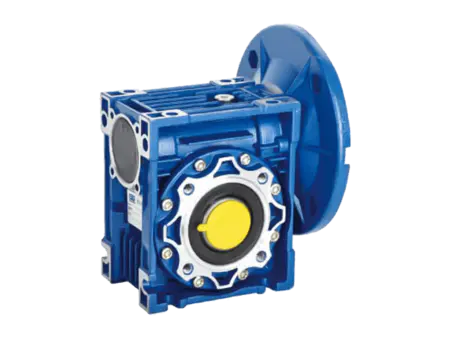
A corrosion-resistant housing only solves half the problem if water can still reach the gearing inside through the shaft seal. Stainless steel worm gear reducers intended for washdown environments typically pair the housing with a shaft seal rated for direct water contact, rather than the lighter dust seal that suits a dry indoor installation. This seal keeps water from being pushed past the shaft during a high-pressure wash, which is a different demand than simply keeping dust out of a reducer sitting in a machine shop.
Vent plugs need the same consideration. A standard vent plug lets air escape as the housing warms during operation, but an open vent on a washdown unit gives water a direct path inside during cleaning. Stainless steel worm gear reducers built for this duty often use a sealed or pressure-balanced vent, so the housing can still equalize internal pressure without leaving an opening for spray to enter.
Food and beverage processing lines are the clearest example, since equipment there is washed down with hot water and cleaning agents on a routine schedule, and any standard metal surface exposed to that cycle daily will corrode faster than the same part would in a dry factory. A worm gear reducer installed above a bottling line or a meat processing conveyor sees this washdown cycle every single day the line runs, which is exactly the repeated exposure that makes housing material worth specifying carefully.
Marine and coastal installations face a similar problem from a different source. Salt-laden air settles on exposed metal even without direct water contact, and over months that salt film promotes corrosion on a standard housing at a rate a dry inland factory rarely sees. Stainless steel worm gear reducers installed on deck equipment or in a coastal processing plant resist that slow salt-driven corrosion in a way an untreated housing cannot.
Chemical processing plants add a third case, where the air itself can carry corrosive vapor even away from direct spray zones. A reducer mounted near a chemical mixing or filling station benefits from the same resistant housing, since airborne exposure alone can degrade a standard casing over a shorter service life than the same unit would see in a cleaner processing area.
Buyers replacing a standard reducer with a stainless version should confirm the mounting dimensions and shaft size match the original unit, since the housing material changes but the mechanical footprint on a given frame size typically does not. Stainless steel worm gear reducers built on the same frame sizes as their standard counterparts allow a straightforward swap without redesigning the mounting bracket or the coupling to the driven equipment.
Buyers should also confirm the seal grade and vent type suit the actual washdown pressure and chemical exposure the unit will see in service, rather than assuming the Stainless steel worm gear reducers housing alone covers every aspect of the harsh environment. A worm gear reducer with a resistant housing and a properly rated seal gives a buyer a unit that holds up to the washdown, salt or chemical exposure its application calls for, without needing more frequent housing replacement than the gearing inside it would otherwise require.
 中文简体
中文简体 русский
 Español