


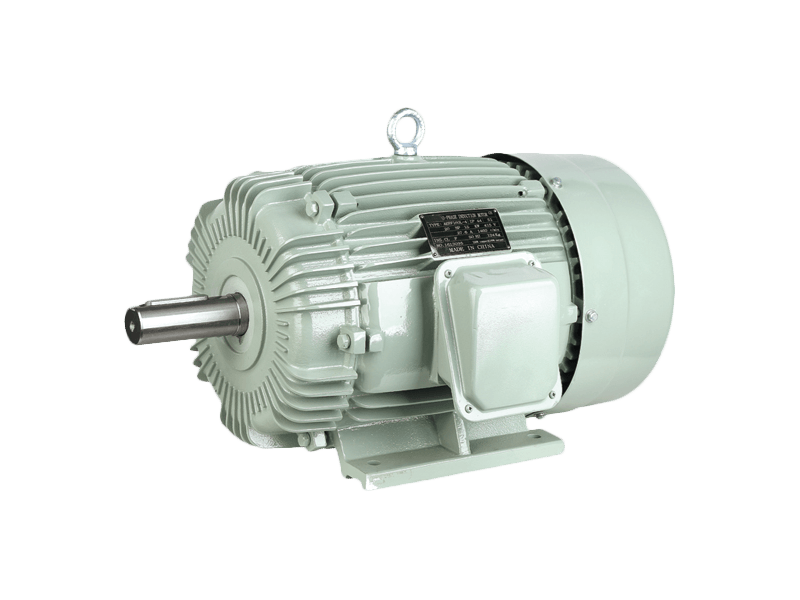
The low voltage motor has become a standard power source for industrial equipment operating below 1,000 volts AC. Unlike medium or high voltage motors that require specialized switchgear and protection systems, a low voltage motor connects directly to standard industrial power distribution panels. Plant engineers and equipment specifiers select the low voltage motor for pumps, fans, conveyors, compressors, and machine tools across manufacturing facilities. The accessibility of components and widespread availability of replacement parts explain the continued preference for low voltage motor systems. Maintenance teams familiar with low voltage motor construction can perform repairs without specialized high voltage training.
Voltage ratings for a low voltage motor typically include 230, 400, 460, 575, and 690 volt configurations depending on regional standards. A low voltage motor designed for 400 volt operation in one market may require different winding configurations for use in 460 volt systems. The insulation class of a low voltage motor determines the big winding temperature allowed during continuous operation. A low voltage motor with Class F insulation can operate at higher ambient temperatures than Class B rated units. The selection of a low voltage motor should consider both supply voltage variations and expected load duty cycle.
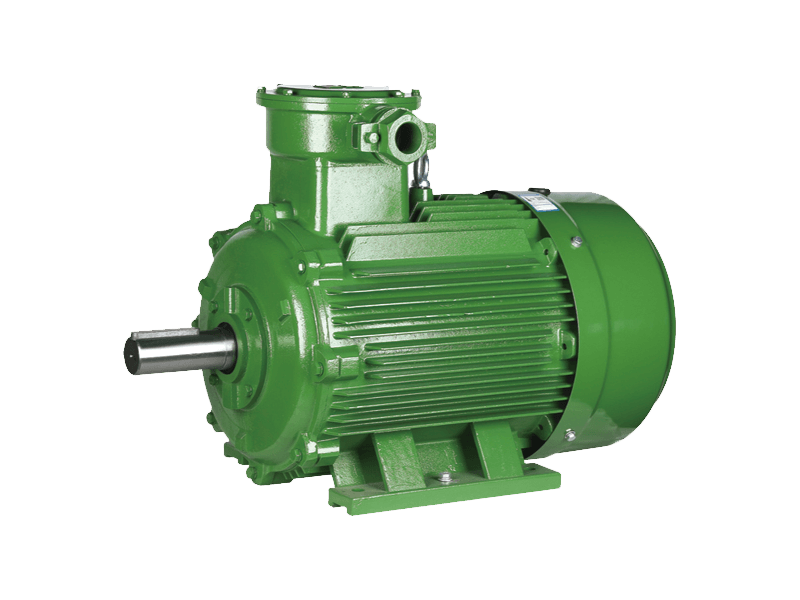
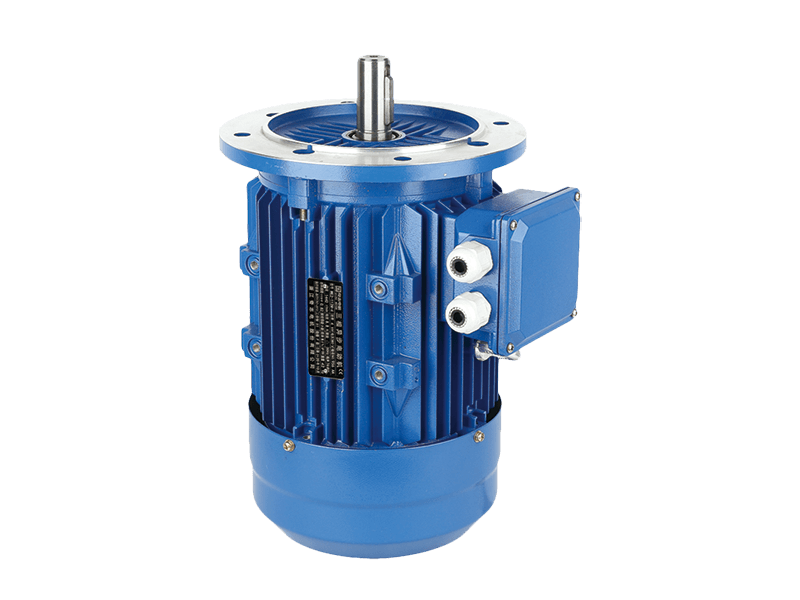
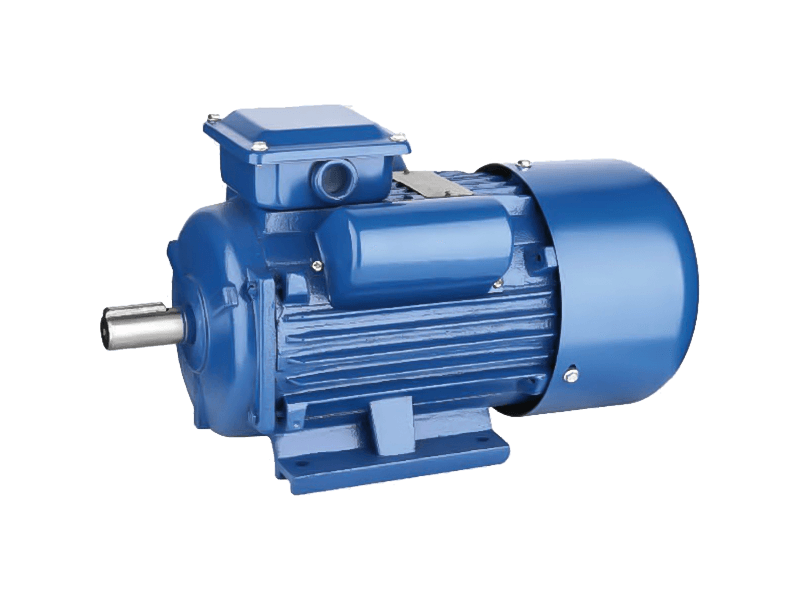
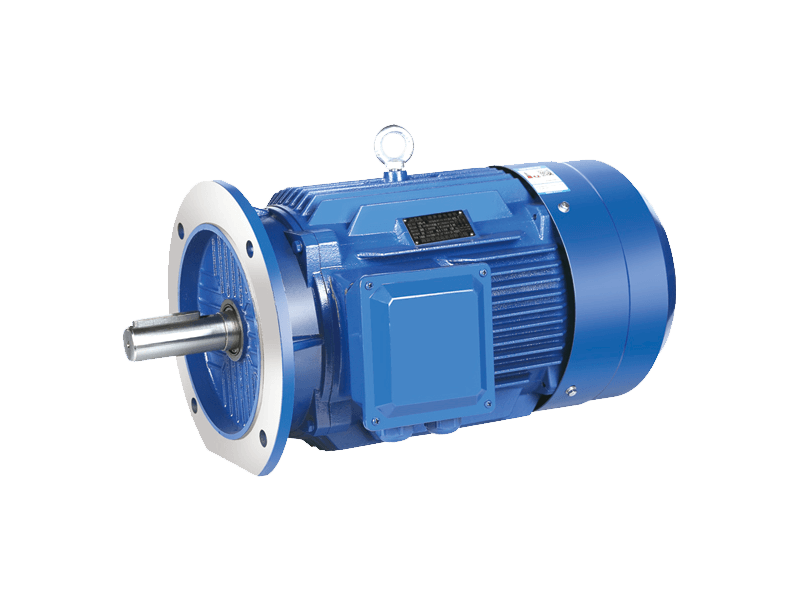
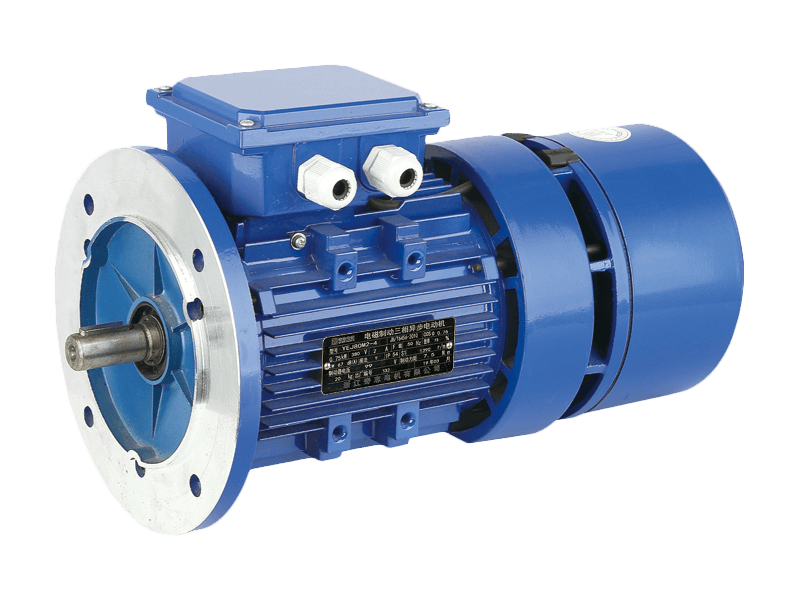
Frame sizes for a low voltage motor follow international standards that define mounting dimensions and shaft heights. A low voltage motor with an IEC frame size allows replacement across different brands without modifying driven equipment. The foot mounting pattern of a low voltage motor must align with existing base plates during retrofit installations. A flange-mounted low voltage motor suits applications where the motor bolts directly to gearboxes or pumps. The shaft diameter and keyway dimensions of a low voltage motor affect coupling selection and torque transmission.
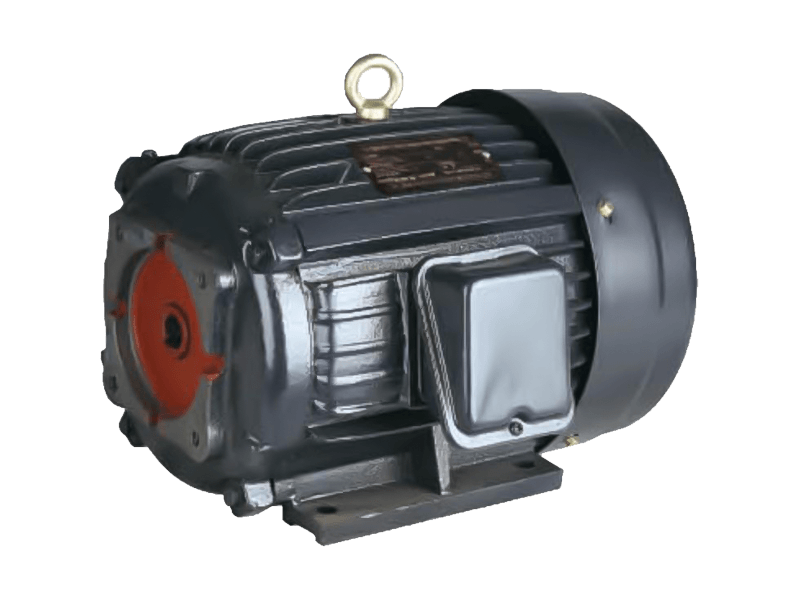
Enclosure types for a low voltage motor protect against environmental conditions encountered in industrial settings. An open drip-proof low voltage motor allows cooling air circulation while preventing falling liquids from entering the internal components. A totally enclosed fan-cooled low voltage motor uses an external fan to cool the frame while sealing the windings from dust and moisture. A low voltage motor with a washdown enclosure withstands regular spraying with water or cleaning agents in food processing facilities. The IP rating of a low voltage motor indicates the level of protection against solid objects and liquid ingress.
Efficiency classes for a low voltage motor have evolved under regional regulations. An IE3 low voltage motor meets higher efficiency standards than IE2, reducing electricity consumption for the same mechanical output. A low voltage motor with IE4 efficiency rating offers additional energy savings for continuous-duty applications. The purchase price of a higher efficiency low voltage motor is typically greater than a standard efficiency unit. The payback period for a premium efficiency low voltage motor depends on annual operating hours and local electricity rates. Regulations in some markets require IE3 low voltage motor efficiency for motors above certain power ratings.
The low voltage motor will likely remain the dominant choice for industrial power applications below 1,000 volts. Advances in permanent magnet technology may increase low voltage motor efficiency for certain power ranges. For plant engineers specifying reliable power conversion equipment, the low voltage motor offers a familiar solution with established performance characteristics.
 中文简体
中文简体 русский
 Español