


The AC motor has remained the widely used electromechanical device in industrial facilities for over a century. Unlike DC motors that require commutators and brushes, an AC motor operates directly from mains power without additional conversion equipment. Factory managers and equipment designers specify the AC motor for pumps, fans, compressors, conveyors, and machine tools across all manufacturing sectors. The reliability and simplicity of the AC motor explain its continued dominance in new equipment installations. Manufacturers of industrial machinery continue to offer the AC motor as the primary power source for rotating equipment.
Operating principles of an AC motor involve alternating current creating a rotating magnetic field in the stator windings. The rotor of an AC motor follows this rotating field, producing torque without physical electrical connections to the rotor. A three-phase AC motor provides self-starting capability and smooth torque output suitable for continuous industrial operation. A single-phase AC motor requires additional starting components such as capacitors or auxiliary windings. The synchronous speed of an AC motor is determined by the supply frequency and the number of magnetic poles in the stator winding design.
Induction motors represent the common type of AC motor in industrial settings. An induction AC motor operates with the rotor slightly slower than the stator field, with the difference called slip. The slip of an AC motor increases as mechanical load increases, allowing the motor to adapt to varying torque demands. A squirrel cage rotor AC motor has no windings or permanent magnets, making it durable and low-maintenance. A wound rotor AC motor includes external resistors that adjust speed and starting torque for specialized applications. The efficiency of an induction AC motor varies with load, typically reaching big near full rated output.
Synchronous AC motor designs offer constant speed operation regardless of load within rated capacity. A synchronous AC motor uses rotor windings excited by DC current or permanent magnets to lock onto the stator field. The power factor of a synchronous AC motor can be adjusted by changing rotor excitation, benefiting facility electrical systems. A permanent magnet AC motor eliminates rotor winding losses, achieving higher efficiency than induction types at lower power ratings. The starting method for a synchronous AC motor may include a damper winding or separate starting mechanism.
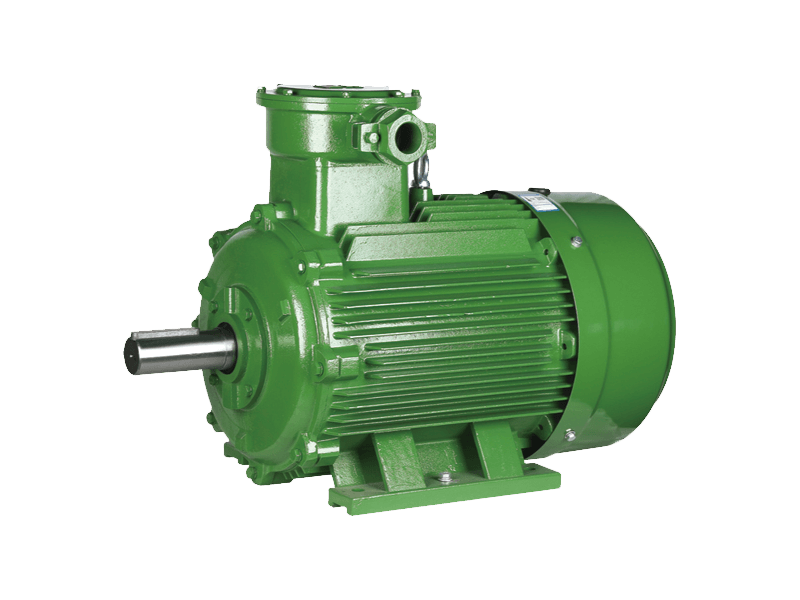
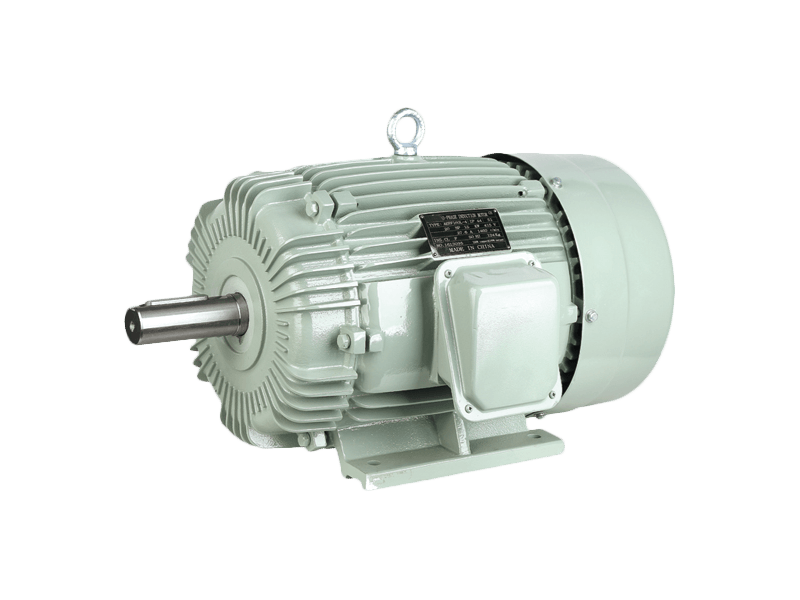
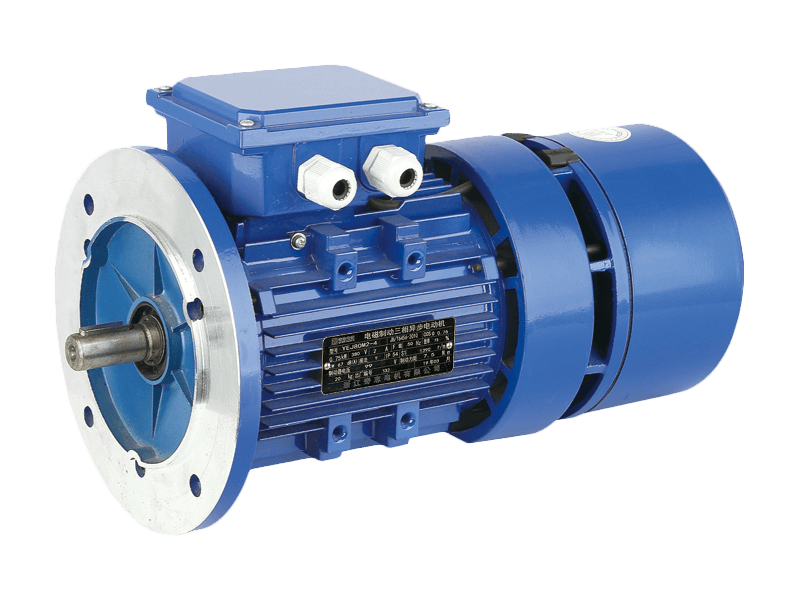
Enclosure types for an AC motor protect internal components from environmental conditions. An open drip-proof AC motor allows cooling air to pass through while preventing falling liquids from entering. A totally enclosed fan-cooled AC motor uses an external fan to blow air over the frame while sealing internal parts from contaminants. A hazardous location AC motor includes special housing features that contain internal sparks or prevent external ignition sources. The ingress protection rating of an AC motor indicates its resistance to dust and water entry for outdoor or washdown applications.
The AC motor will likely remain the primary choice for industrial power transmission. Advances in permanent magnet materials may increase market share for synchronous AC motor designs in certain power ranges. For engineers seeking reliable, efficient power conversion, the AC motor offers a well-understood solution with extensive application history.
 中文简体
中文简体 русский
 Español