


The electric motors that power the vast majority of industrial machinery and equipment are experiencing sustained demand as global manufacturing and infrastructure development continue to expand. Low voltage motors, typically operating at voltages below 1000 volts, represent the workhorse of industry, driving pumps, fans, conveyors, compressors, and countless other machines important to modern production. As industrial automation advances and energy efficiency requirements tighten, low voltage motor technology continues to evolve to meet changing market demands.
At the foundation of low voltage motor significance is their ubiquity across industrial applications. From small fractional horsepower motors powering auxiliary equipment to large units rated at hundreds of kilowatts driving important production machinery, low voltage motors provide the rotational force that keeps industry moving. Their standardized voltages, typically 230V, 460V, or 575V in North America and 400V or 690V in other regions, allow direct connection to common industrial power supplies without the transformation equipment required for higher voltage machines. This compatibility with standard electrical systems simplifies installation and reduces costs.
The efficiency of low voltage motors has improved dramatically as energy costs have risen and environmental regulations have tightened. International standards now establish small efficiency levels that increase over time, driving manufacturers to refine designs and manufacturing processes. Modern low voltage motors incorporate improved electromagnetic designs, higher quality materials, and optimized cooling systems that reduce losses and improve energy conversion. Higher efficiency motors cost more initially but deliver lower operating costs over their service lives, often paying back the premium through energy savings within months or years.
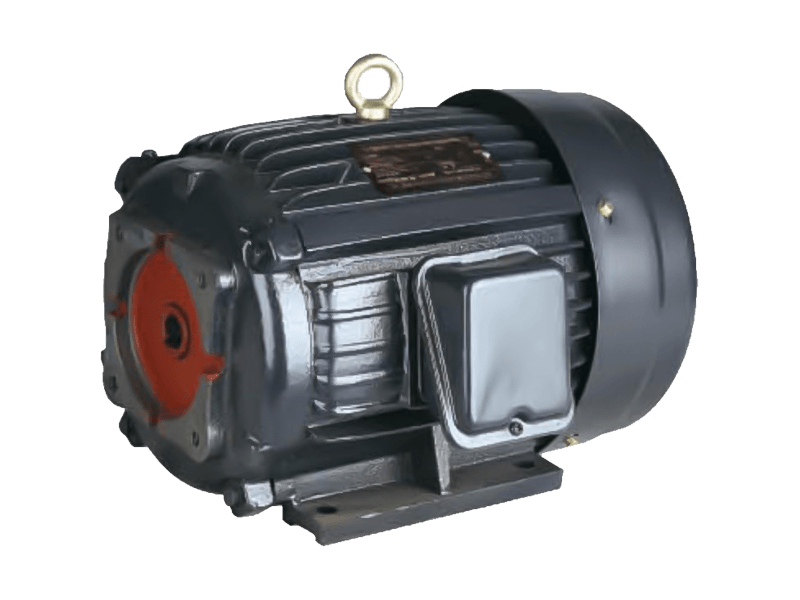
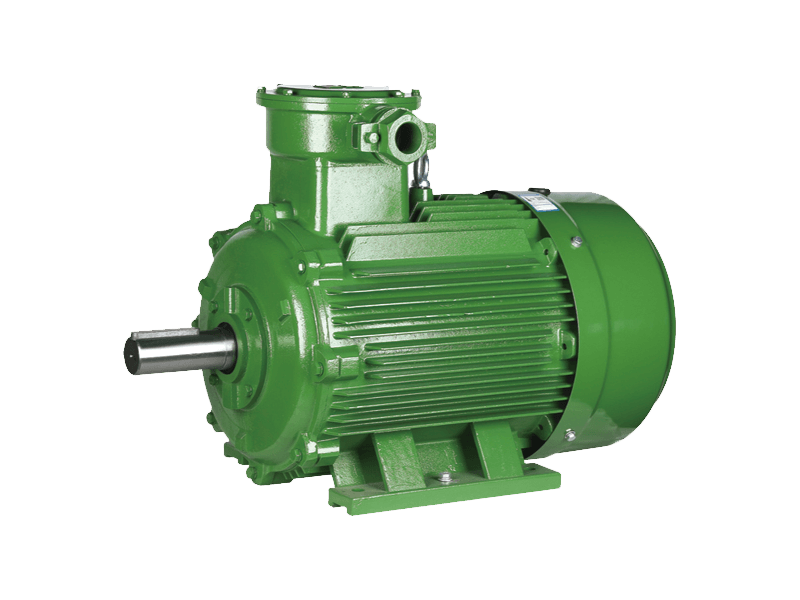
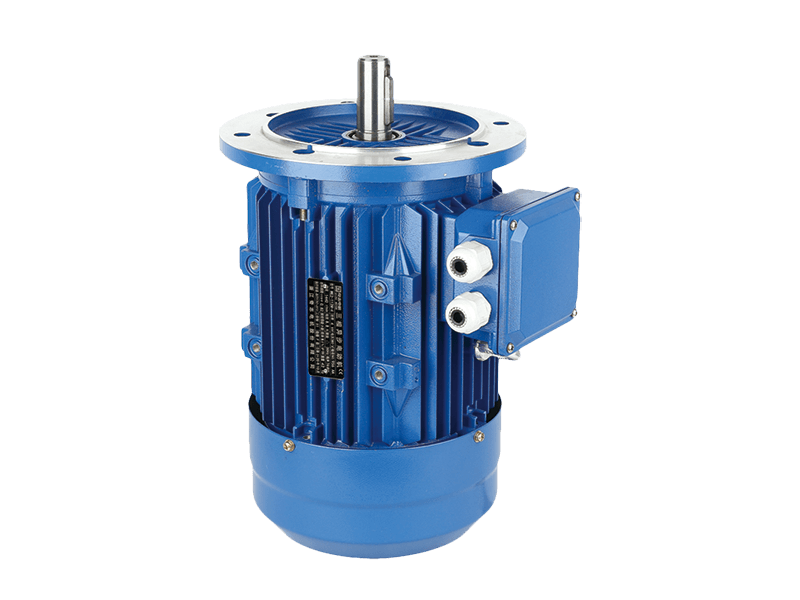
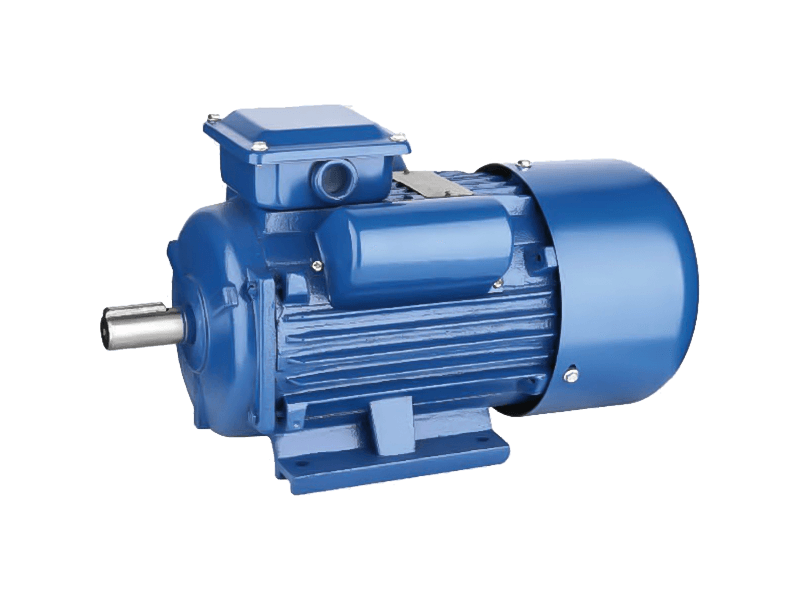
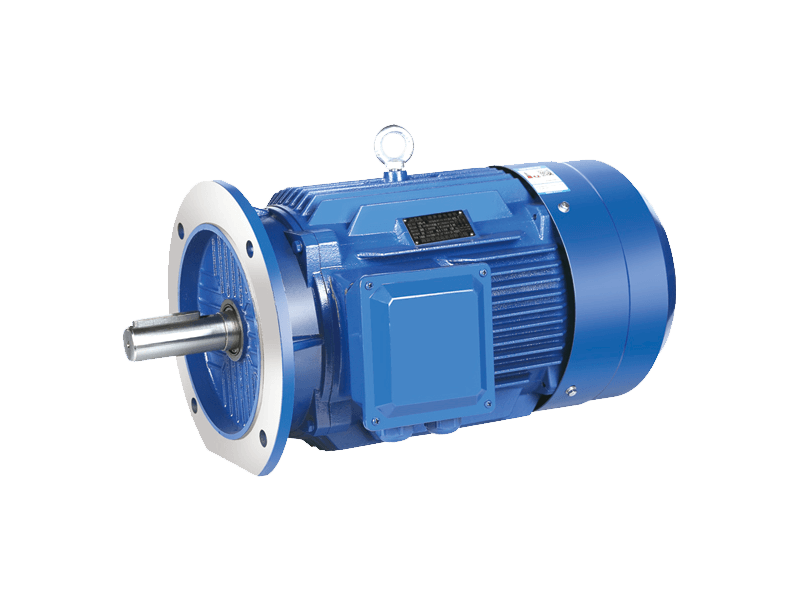
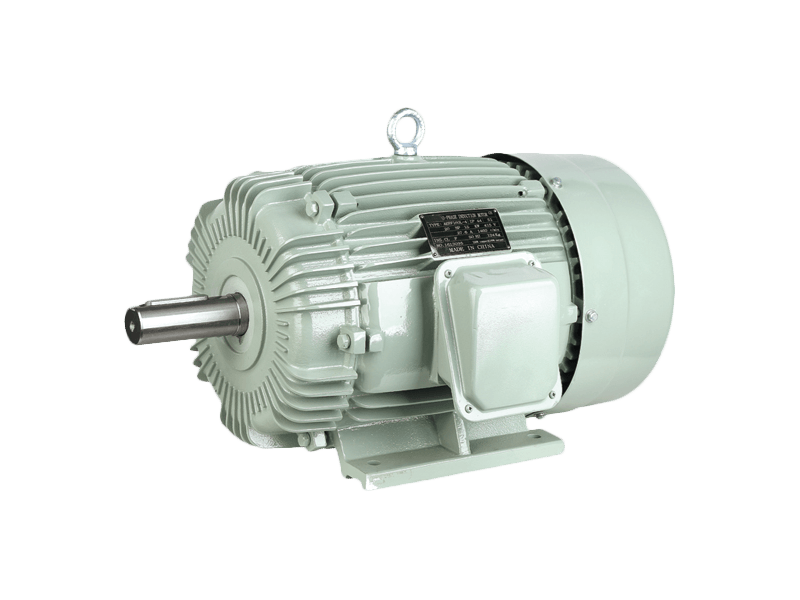
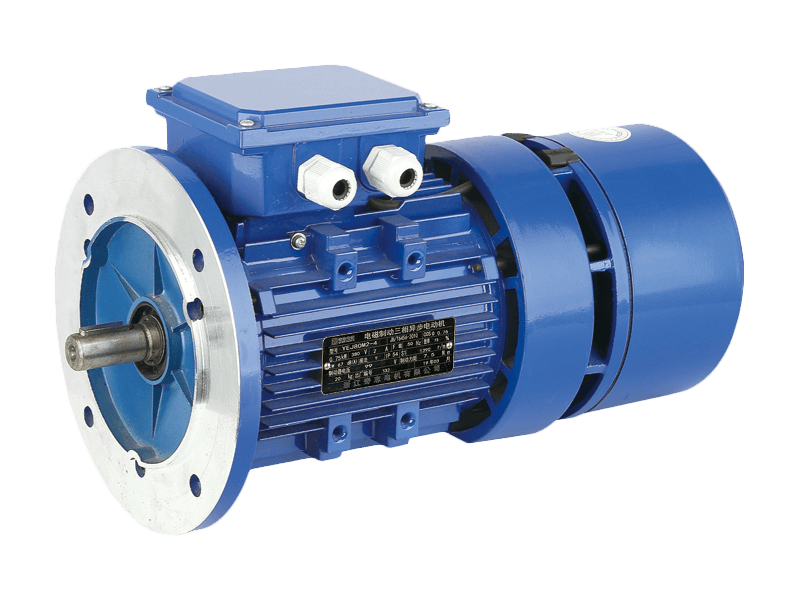
The construction features of low voltage motors reflect their demanding operating environments. Cast iron or robust aluminum frames provide the structural integrity and thermal capacity necessary for continuous industrial operation. High-grade electrical steel in stator and rotor laminations reduces magnetic losses. Insulation systems rated for elevated temperatures protect against the thermal stress of sustained operation. Precision bearings selected for the loads and speeds of each application ensure smooth operation and long service life. These construction features enable low voltage motors to deliver reliable performance year after year in the challenging conditions of industrial facilities.
Enclosure types available in low voltage motors accommodate different environmental conditions. Open drip-proof enclosures allow airflow for cooling while protecting against falling liquids, suitable for indoor applications in clean environments. Totally enclosed fan-cooled designs exclude dust and moisture, making them appropriate for outdoor or contaminated locations. Totally enclosed non-ventilated enclosures serve applications where external contaminants must be excluded and cooling can be achieved through the motor surface. Weather-protected enclosures add additional barriers against rain and snow for unprotected outdoor installations. This variety ensures appropriate low voltage motors are available for any industrial setting.
As industries worldwide continue to automate and expand production capacity, the demand for reliable, efficient low voltage motors shows no signs of diminishing. These important components convert electrical energy into the mechanical work that drives industrial processes, delivering the rotational force that pumps fluids, moves materials, compresses gases, and powers machinery across every manufacturing sector. The ongoing refinement of low voltage motor technology ensures that this important work will be performed with increasing efficiency and reliability, supporting the industrial activity that underpins modern life.
 中文简体
中文简体 русский
 Español