


The important component that moves air through countless residential, commercial, and industrial applications is undergoing significant technological evolution. The modern fan motor represents a sophisticated balance of energy efficiency, quiet operation, and reliability, delivering the airflow that ventilates buildings, cools equipment, and maintains comfort in spaces where people live and work. As energy regulations tighten and expectations for acoustic performance rise, fan motor technology continues to advance to meet diverse market requirements.
At the foundation of fan motor operation is the conversion of electrical energy into rotational force that drives fan blades. The simplicity of this concept belies the engineering refinement required to achieve the efficiency, quietness, and reliability that modern applications demand. Fan motors must operate smoothly across varying speeds, respond to control signals from building automation systems, and survive years of continuous or intermittent service without failure. These requirements have driven continuous innovation in fan motor design and manufacturing.
The emergence of electronically commutated motor technology has transformed the fan motor landscape. Unlike traditional shaded pole or permanent split capacitor motors that operate at importantly fixed speeds, electronically commutated fan motors use electronic controls to adjust speed continuously based on demand. This variable speed capability allows fans to operate at reduced speeds when full airflow is unnecessary, dramatically reducing energy consumption. The efficiency gains from electronically commutated fan motors have made them preferred choices in applications ranging from residential HVAC to commercial ventilation systems.
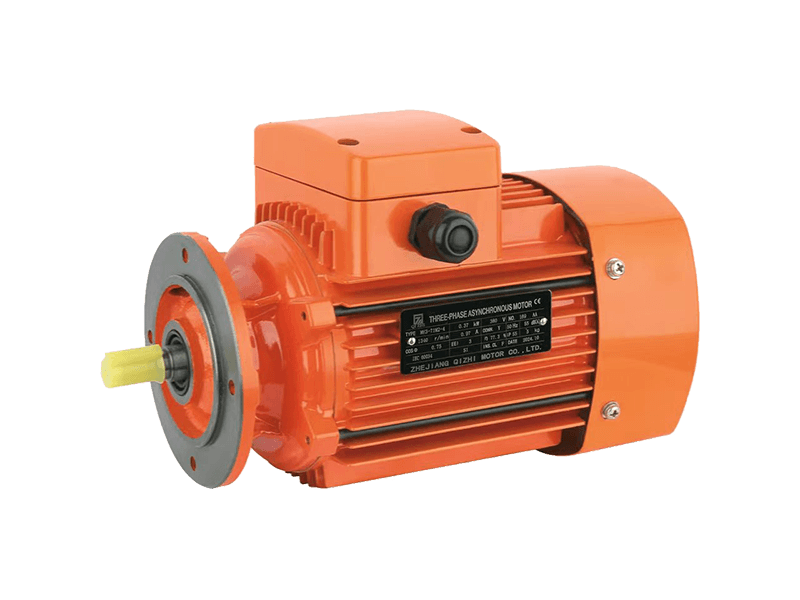
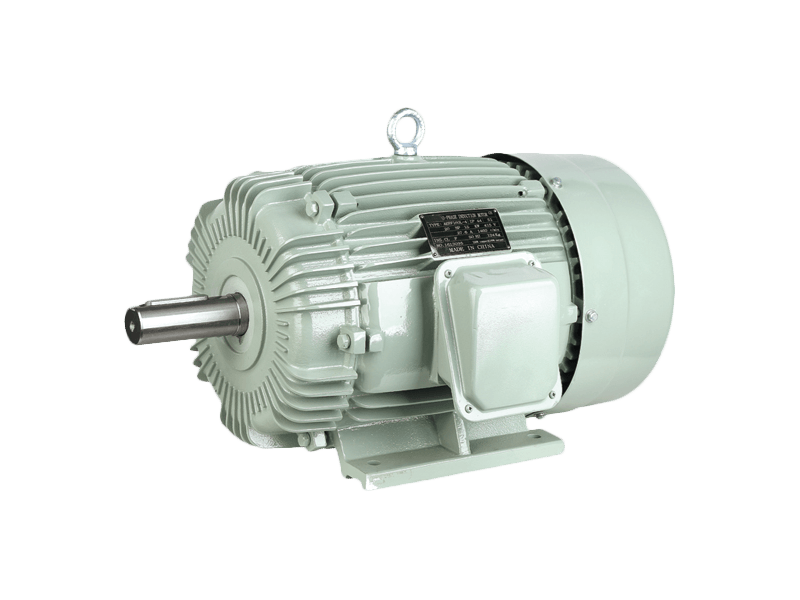
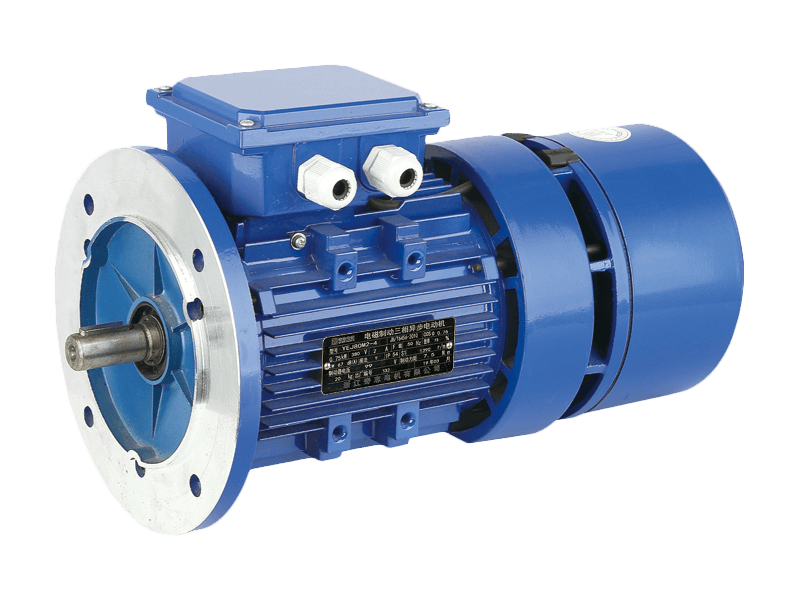
The physical configuration of fan motors varies significantly based on application requirements. Shaft-mounted fans integrate the motor and fan blade into a single unit, simplifying assembly and reducing space requirements. Belt-drive configurations separate motor and fan, allowing speed adjustments through pulley changes and protecting the motor from heat in high-temperature applications. Direct-drive designs eliminate belts and pulleys, reducing maintenance requirements and improving efficiency. Each configuration offers advantages that make it preferred for specific applications.
Bearing systems in fan motors receive careful engineering attention due to their impact on both reliability and noise. Sleeve bearings provide economical performance in light-duty applications where orientation is fixed. Ball bearings deliver predominant load capacity and longer life in demanding applications and where motors may be mounted in various orientations. Some fan motors incorporate bearing systems designed specifically for quiet operation, with precision components and special lubricants that less acoustic emissions. Bearing selection significantly influences both the service life and acoustic signature of fan motors.
Thermal protection has become standard in quality fan motors, preventing damage from overload conditions that could cause overheating. Automatic reset thermal protectors interrupt power when temperatures exceed safe limits, then restore operation when conditions normalize. Manual reset devices require intervention after trip, providing warning that abnormal conditions exist. Some fan motors incorporate embedded temperature sensors that interface with control systems for sophisticated thermal management. These protection features prevent the costly failures that could result from blocked airflow or other abnormal operating conditions.
As buildings become more energy conscious and expectations for indoor environmental quality rise, the importance of advanced fan motor technology will only increase. The motors that move air through ventilation systems, across cooling coils, and into occupied spaces must deliver the performance that comfort, health, and efficiency require. Modern fan motors, with their improved efficiency, quiet operation, and intelligent control, meet these demands while consuming far less energy than the technologies they replace.
 中文简体
中文简体 русский
 Español