


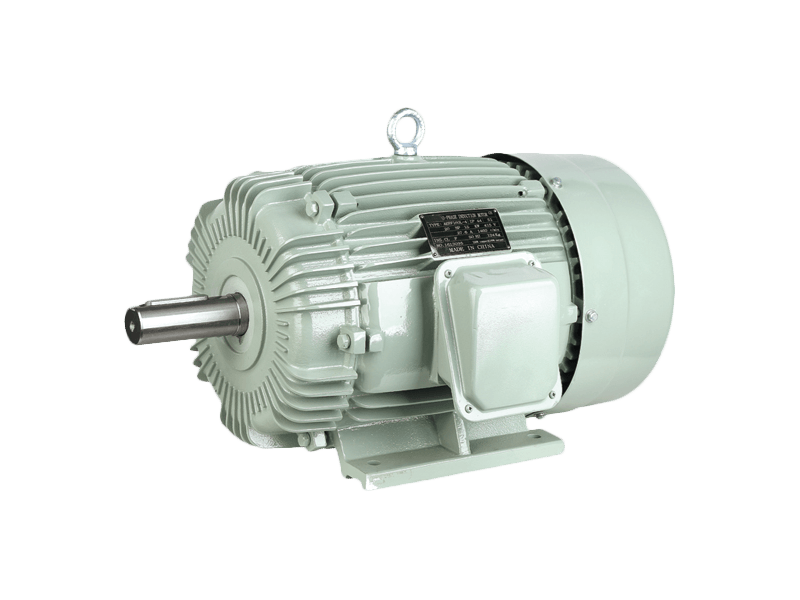
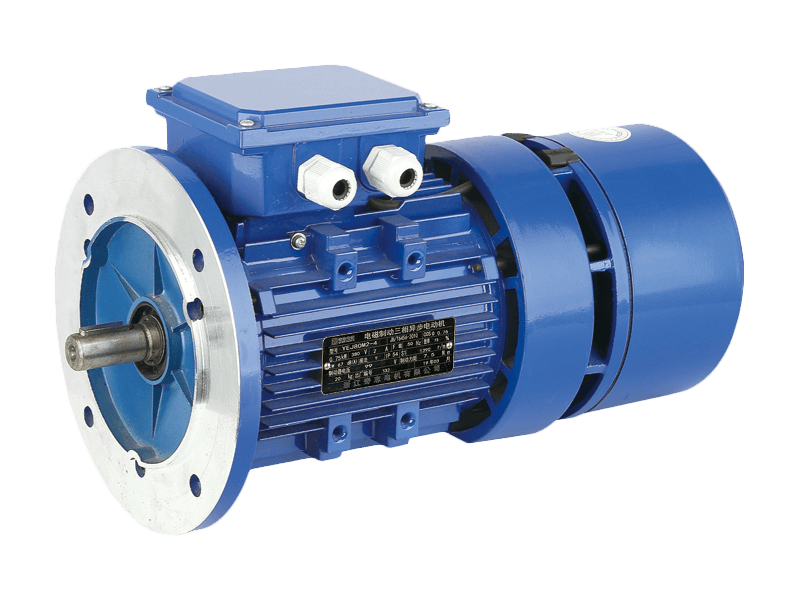
Within the specialized landscape of electric motors and electromechanical components, a designation known as the Y3 motor is gaining attention among engineers, procurement specialists, and industrial end-users. This term refers to a specific series or classification of three-phase asynchronous motors that are designed to meet distinct performance benchmarks and efficiency standards. The increasing discussion around the Y3 motor highlights a focused interest in motor standardization, energy performance, and reliable sourcing for a variety of industrial and commercial applications.
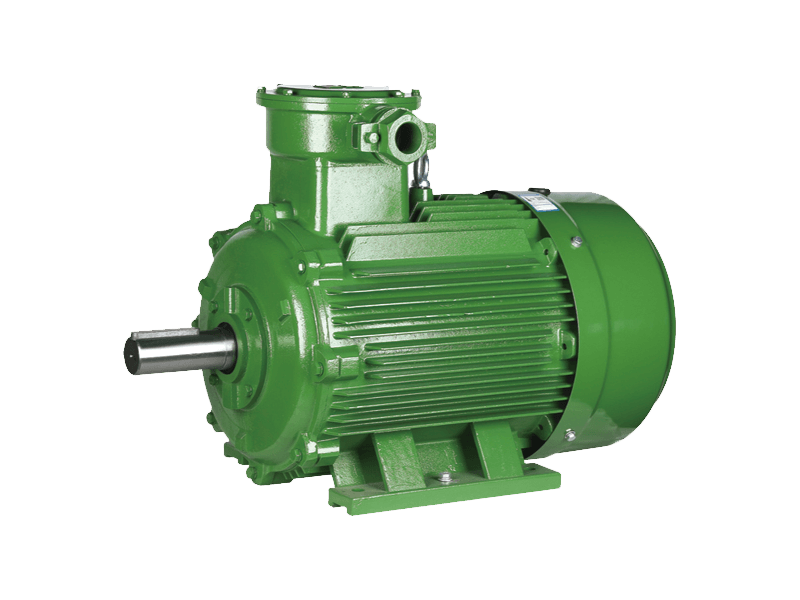
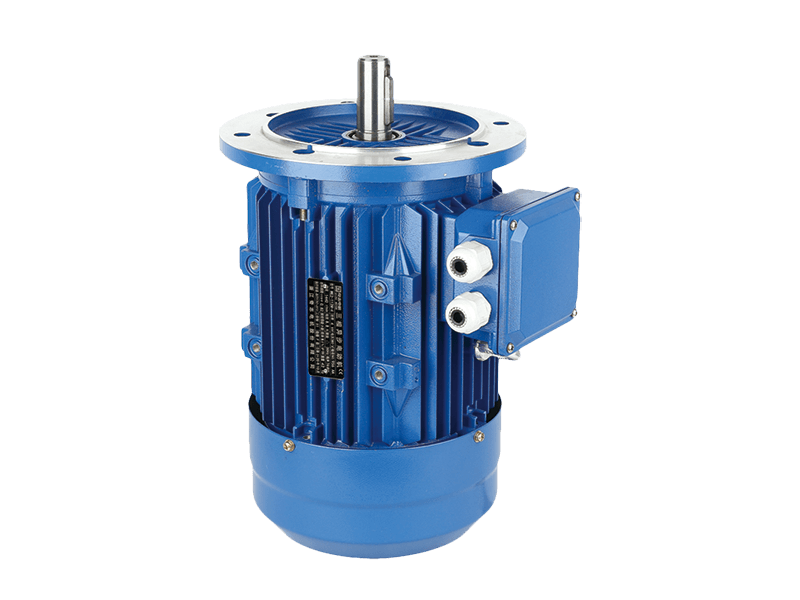
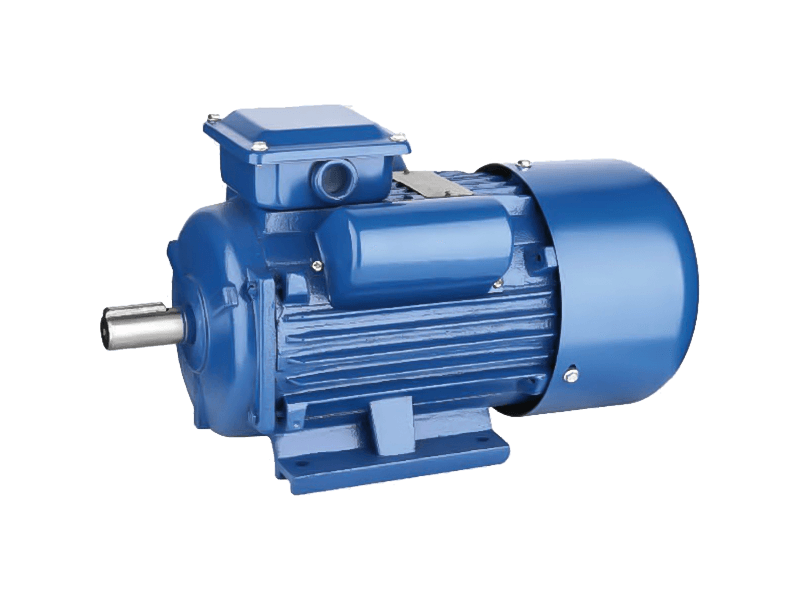
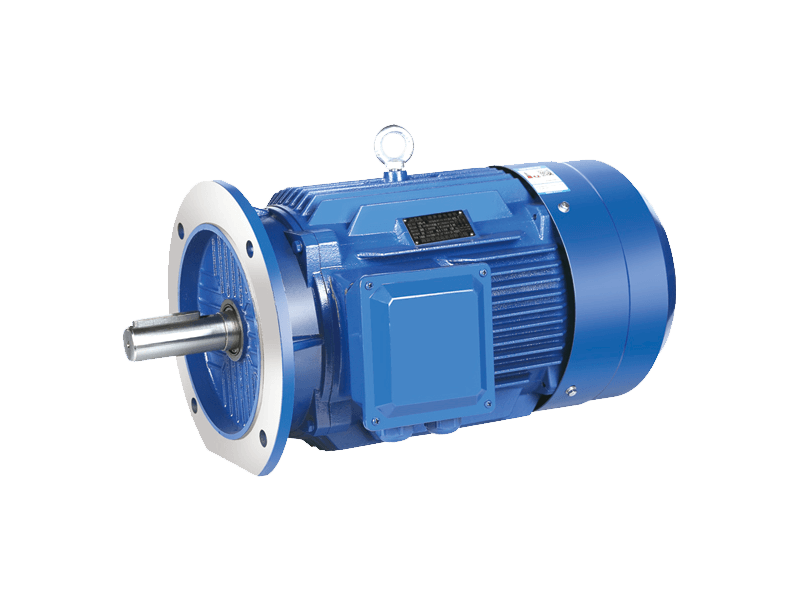
The Y3 motor represents a modern iteration in the lineage of three-phase induction motors. Its design typically emphasizes improvements in material utilization, electromagnetic performance, and thermal management. Like other three-phase motors, the operation of a Y3 motor relies on a rotating magnetic field generated by its stator windings, which induces current in the rotor to produce torque. The engineering refinements associated with the Y3 motor often target reduced core losses, lower operating temperatures, and enhanced overall efficiency compared to some earlier generation models. This makes the Y3 motor a considered choice for applications where energy consumption and operational reliability are important factors.
The application scope for a Y3 motor is broad, aligning with the general use of three-phase induction technology. It is commonly employed to drive pumps, fans, compressors, conveyor systems, and various machine tools in industrial settings. The robust and self-starting nature of this motor type makes a Y3 motor suitable for continuous duty cycles in environments such as manufacturing plants, water treatment facilities, and commercial HVAC systems. The standardized frame sizes and mounting dimensions typically associated with the Y3 motor series facilitate easier integration and replacement within existing mechanical systems, contributing to its practical appeal.
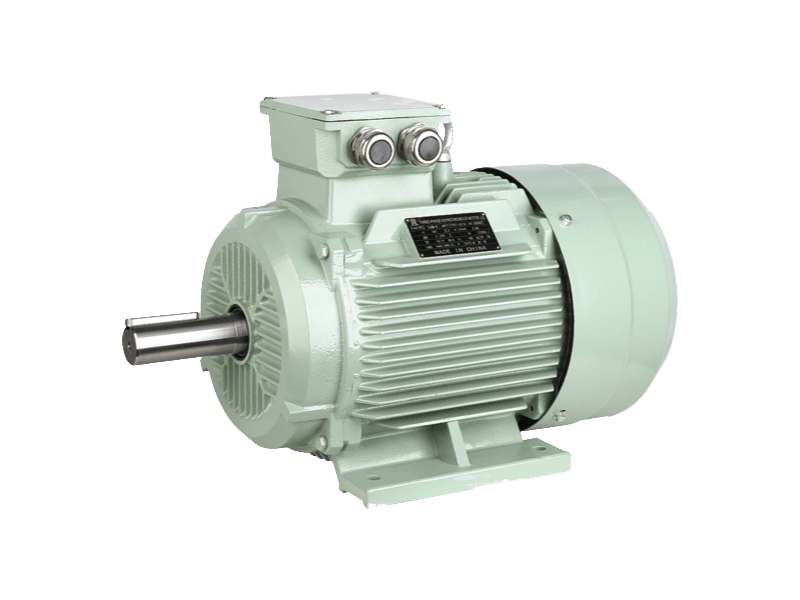
A key aspect driving interest in the Y3 motor is its alignment with evolving efficiency standards and environmental considerations. Manufacturers producing motors under this classification often design them to satisfy specific national or international efficiency grades. The construction of a Y3 motor frequently involves the use of high-quality electrical steel for the stator and rotor laminations, optimized winding configurations, and improved insulation materials that can withstand higher thermal classes. These features collectively contribute to the ability of a Y3 motor to convert electrical input into mechanical work with small losses, pilot to lower lifetime operating costs and a reduced environmental footprint for the equipment it powers.
From a supply chain and specification perspective, the Y3 motor has become a recognizable point of reference. For industries involved in OEM design or maintenance operations, specifying a Y3 motor can provide clarity regarding expected performance characteristics, physical dimensions, and electrical parameters. This common understanding helps streamline the procurement process and supports compatibility. The availability of the Y3 motor through various distributors also underscores its establishment as a standardized product category within the global motor market, offering users a reliable and widely available solution for many standard drive requirements.
The trajectory for the Y3 motor category is likely intertwined with broader trends in industrial electrification and smart manufacturing. While the core electromagnetic principles may remain stable, future developments may see the Y3 motor increasingly offered with integrated sensors for condition monitoring or as part of a pre-configured package with compatible variable frequency drives for optimized speed control. As global emphasis on energy efficiency continues, the performance benchmarks that define series like the Y3 motor may become even more stringent, prompting ongoing refinement.
 中文简体
中文简体 русский
 Español