


At the heart of countless devices and systems that define contemporary life, from household appliances and personal vehicles to industrial machinery and robotics, lies a transformative invention: the electric motor. This device, which converts electrical energy into precise mechanical motion, serves as a fundamental actuator in the global shift toward electrification and automated efficiency. The widespread integration and continuous innovation of the electric motor underscore its indispensable role in enhancing productivity, enabling new technologies, and supporting sustainable energy initiatives across diverse sectors.
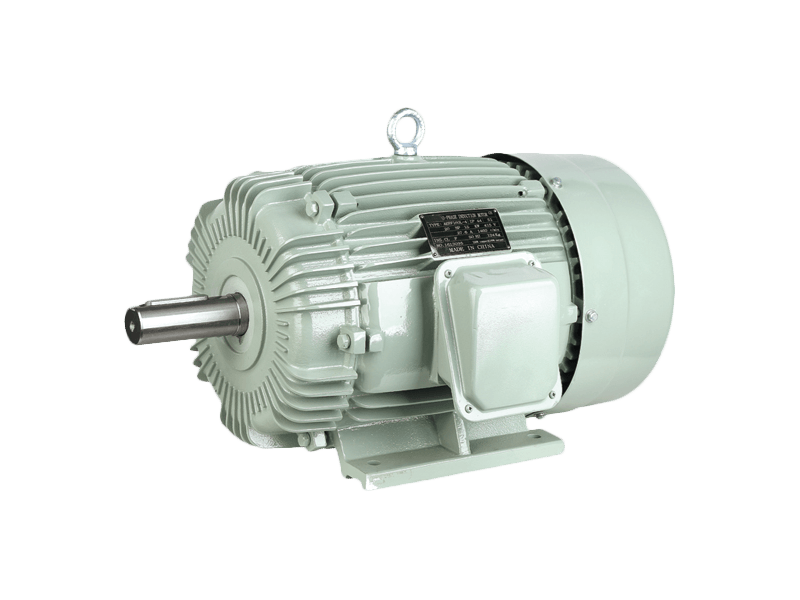
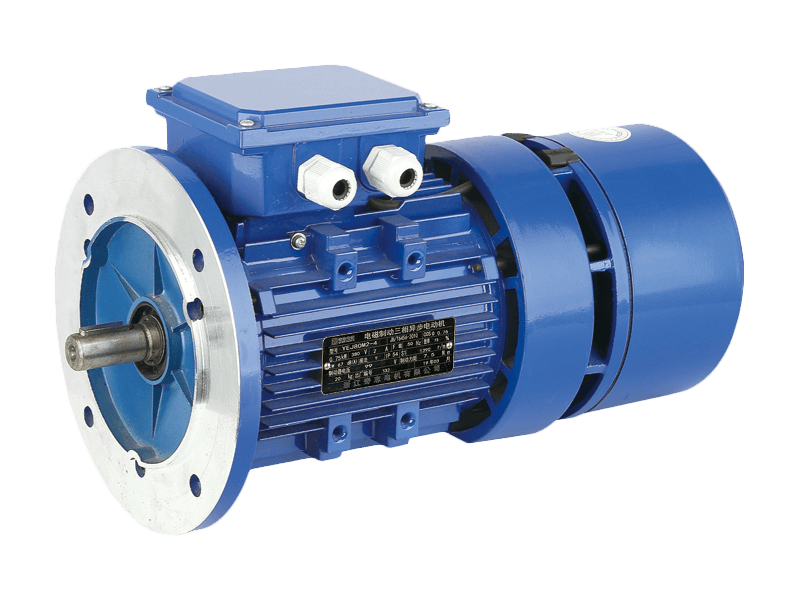
The operational principle of the electric motor is based on electromagnetic forces. When an electric current flows through coils within a magnetic field, it generates a force that causes a rotor to spin. This core function allows the electric motor to deliver reliable rotational power. Designs vary significantly, including alternating current (AC) and direct current (DC) configurations, each suited to specific applications. The inherent efficiency of a well-designed electric motor in converting electricity into work makes it a cornerstone of energy-conscious engineering, small waste and optimizing performance in systems ranging from small consumer electronics to large industrial drives.
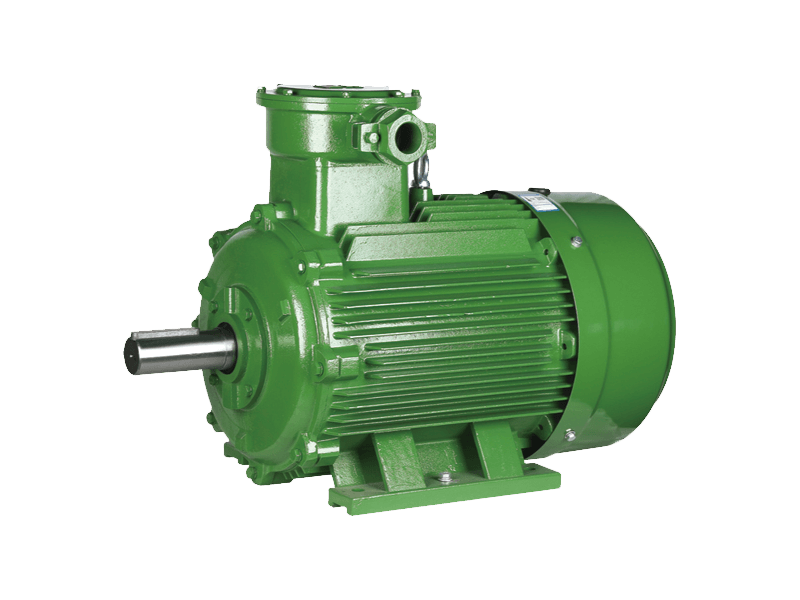
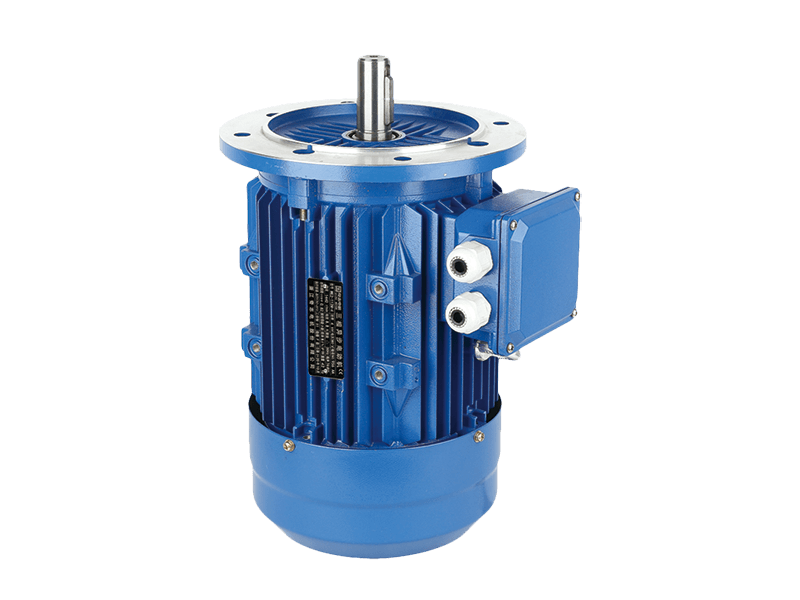
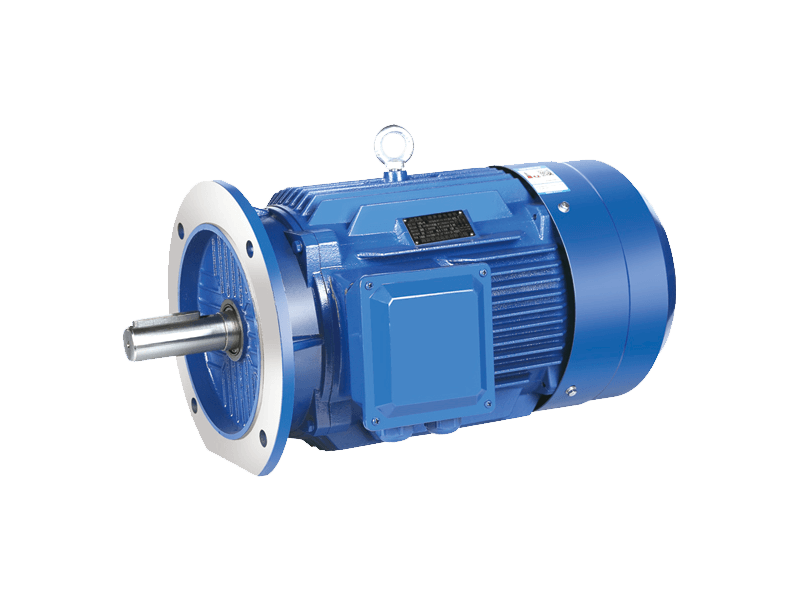
In the industrial sphere, the electric motor is the primary driver of automation and manufacturing processes. It powers conveyor belts, pumps, compressors, fans, and machine tools with consistent reliability. The robust construction of an industrial electric motor allows it to operate under substantial loads for extended periods, forming the backbone of production lines and infrastructure systems. The move toward smart factories and Industry 4.0 further elevates the importance of the electric motor, as its performance is increasingly monitored and optimized in real-time through connected sensors and digital controls, enhancing overall system intelligence and preventative maintenance capabilities.
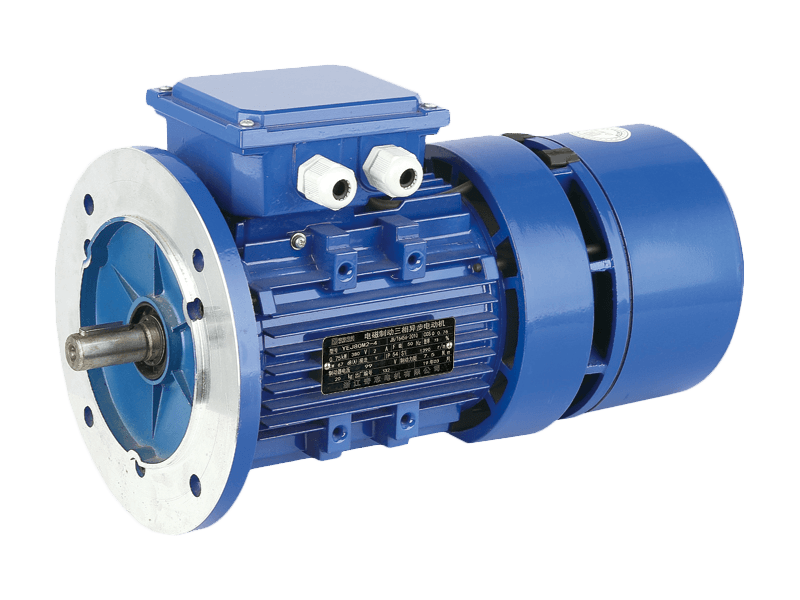
The transportation sector is undergoing a profound transformation largely enabled by advancements in electric motor technology. In electric vehicles, high-torque, efficient electric motors provide propulsion with smooth acceleration and reduced mechanical complexity compared to internal combustion engines. The development of more compact, powerful, and thermally resilient electric motor designs is crucial for extending vehicle range and improving performance. Beyond road transport, electric motors are integral to the operation of electric trains, maritime propulsion systems, and emerging urban mobility solutions, contributing directly to reductions in local emissions and fossil fuel dependence.
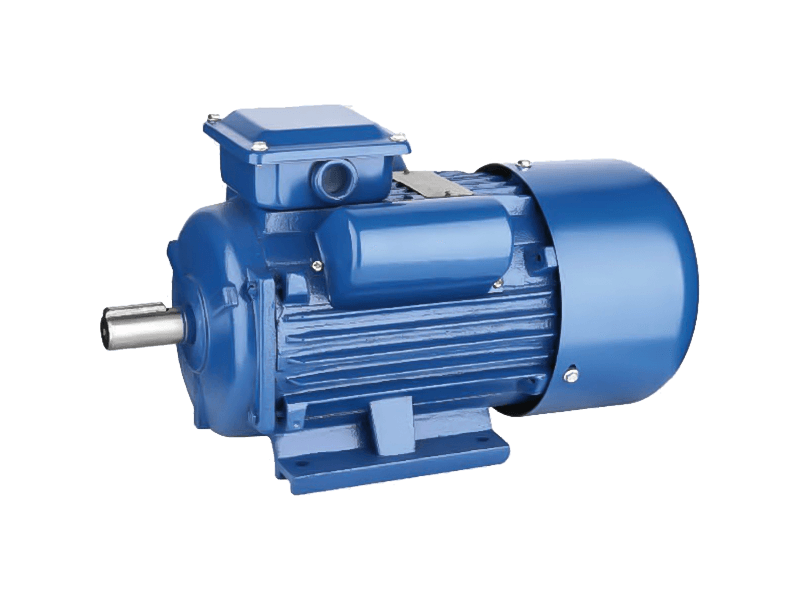
Consumer and commercial applications for the electric motor are ubiquitous. It is the unseen force inside refrigerators, washing machines, air conditioners, power tools, and computer cooling fans. In the realm of personal health and wellness, electric motors drive devices like electric toothbrushes and massage equipment. The miniaturization of electric motor technology has also been pivotal in advancing robotics, drones, and precision medical instruments, where controlled, reliable motion is essential. The versatility of the electric motor to scale from milliwatt to megawatt power levels demonstrates its unique adaptability.
The electric motor will remain a critical enabler of technological and environmental progress. Its evolution will support the broader integration of renewable energy sources by driving the pumps, generators, and positioning systems essential for these technologies. As electrification expands into new domains, from agricultural automation to advanced aerospace applications, the demand for reliable, efficient, and intelligent electric motor solutions will continue to grow. This enduring and adaptive technology stands as a testament to engineering ingenuity, quietly powering the machinery of modern society and paving the way for a more automated and sustainable future.
 中文简体
中文简体 русский
 Español