


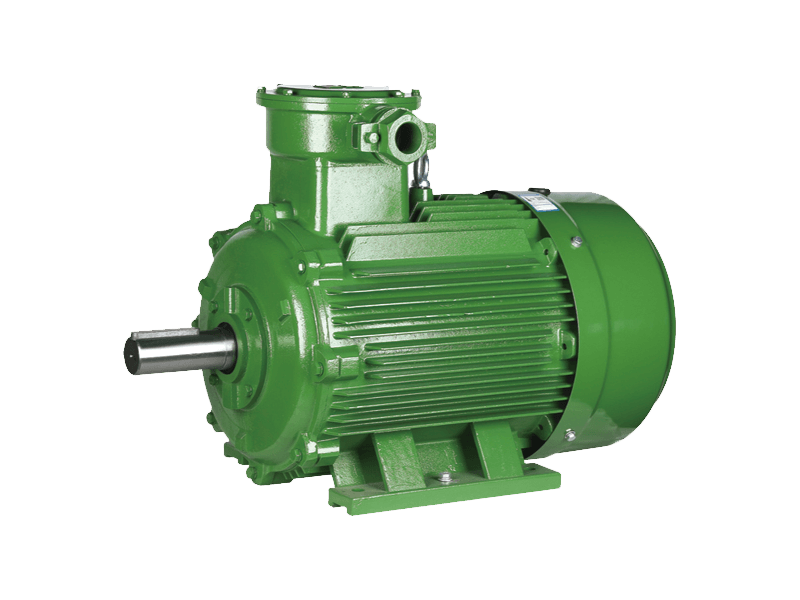
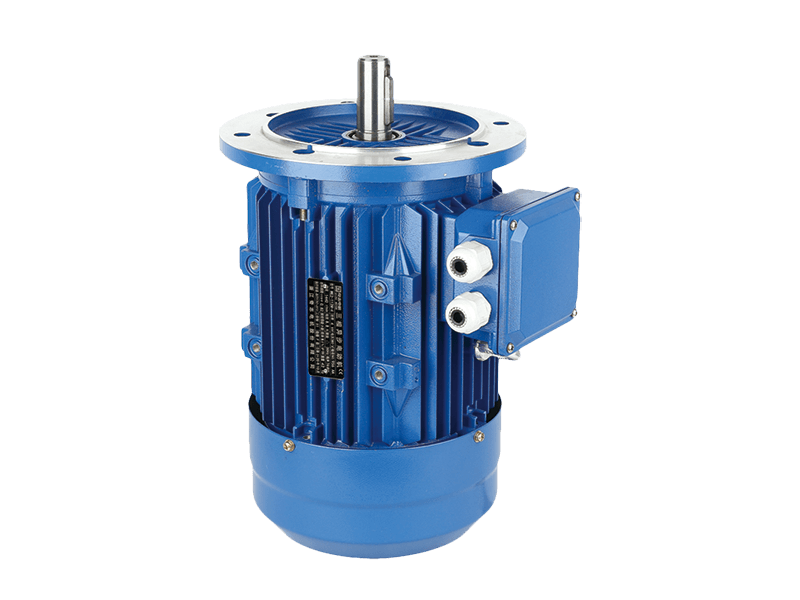
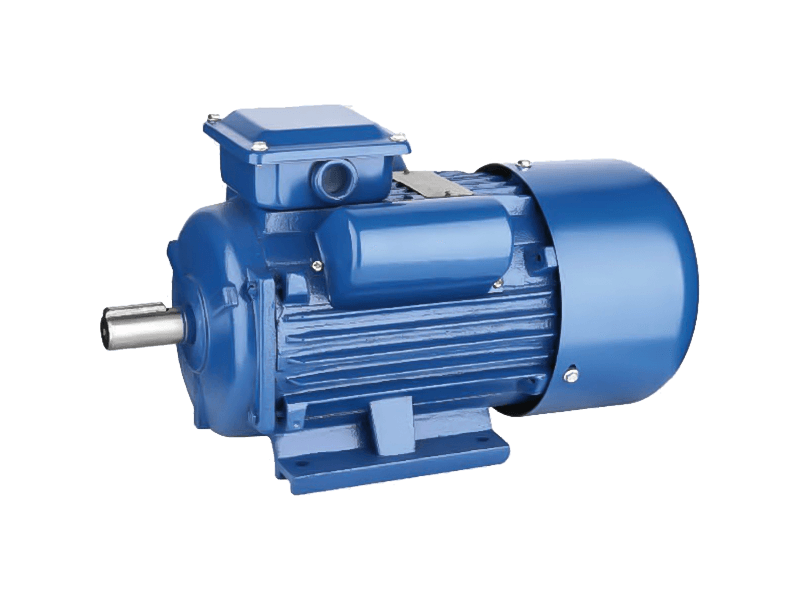
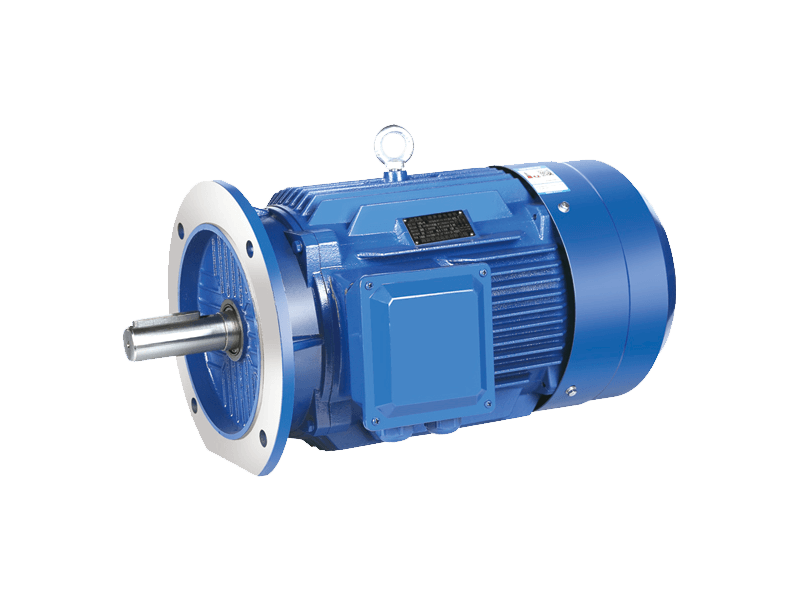
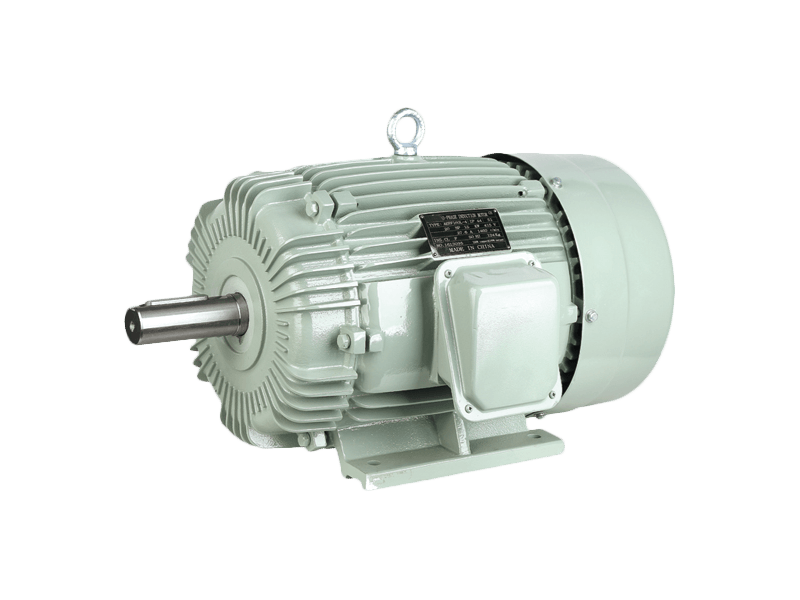
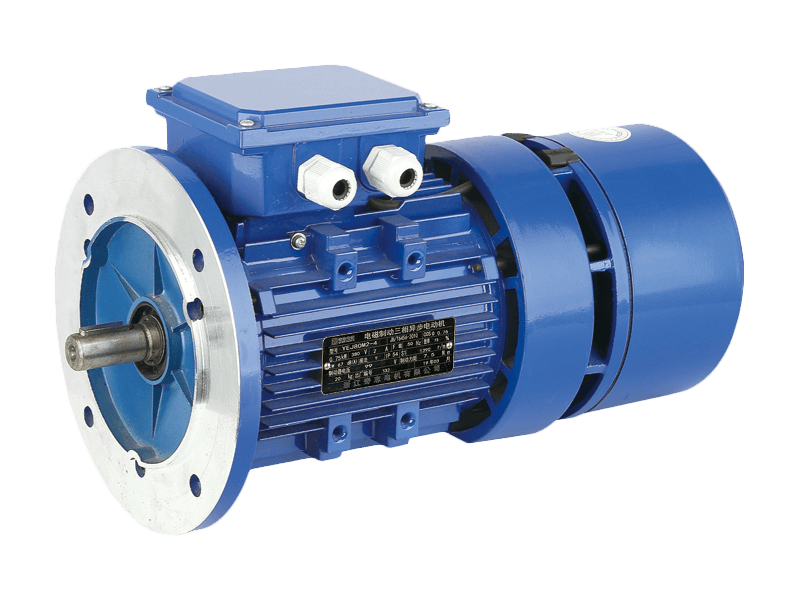
In the global push for sustainable industrial operations and reduced carbon footprints, a specific class of electric motor is playing an increasingly pivotal role: the IE3 motor. This designation refers to motors meeting the International Efficiency Level 3 standard, as defined by the International Electrotechnical Commission (IEC). The widespread adoption of the IE3 motor represents a significant shift toward higher-efficiency technology, driven by regulatory mandates, rising energy costs, and a growing corporate commitment to environmental stewardship.
The core value proposition of the IE3 motor is its predominant energy performance. Efficiency classes, ranging from IE1 (standard efficiency) to IE4 (super premium efficiency), quantify a motor's ability to convert electrical input into useful mechanical output while small losses. An IE3 motor, classified as "Premium Efficiency," achieves notably lower electrical losses in its stator, rotor, and iron core compared to previous standard models. This means that for the same mechanical workload, an IE3 motor consumes less electricity, pilot to direct cost savings on energy bills and a reduction in associated greenhouse gas emissions over the motor's operational lifespan.
Regulatory frameworks in many major economies have been instrumental in accelerating the market transition to the IE3 motor. Regions including the European Union, the United States, and parts of Asia have implemented mandatory small efficiency performance standards (MEPS) that effectively require the use of IE3 motors for a wide range of new installations. These regulations have transformed the IE3 motor from a premium option into the new baseline for industrial three-phase asynchronous motors. For facility managers and original equipment manufacturers (OEMs), specifying an IE3 motor is now often a matter of compliance, ensuring that new machinery and system upgrades align with legal requirements.
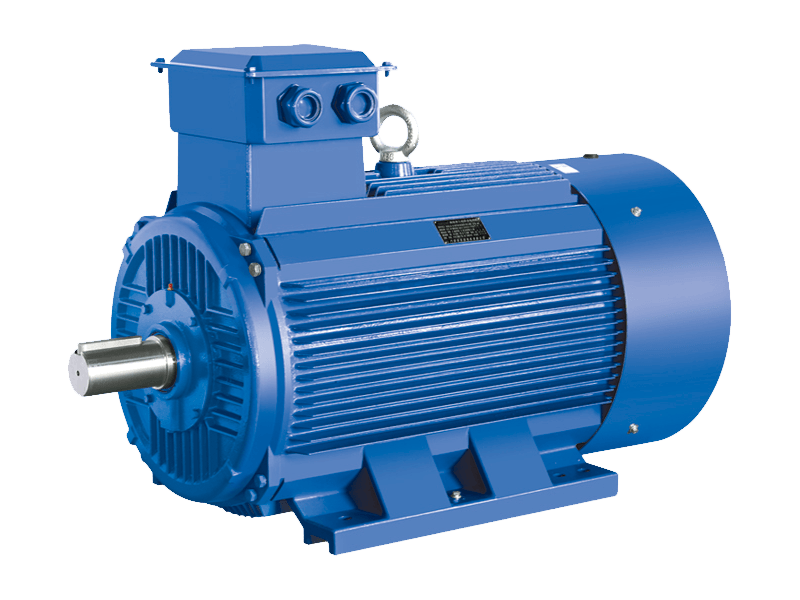
From a technical perspective, achieving the IE3 efficiency level involves refined design and higher-quality materials. Manufacturers of the IE3 motor utilize more active materials, such as increased copper in windings and high-grade electrical steel for laminations, to reduce resistive and magnetic losses. Improved manufacturing tolerances, predominant bearing technology, and optimized cooling designs also contribute to the enhanced performance of an IE3 motor. While the initial purchase price of an IE3 motor can be higher than that of a lower-efficiency model, the total cost of ownership is frequently lower due to substantial energy savings, often yielding a payback period that makes the IE3 motor a sound economic investment.
The prominence of the IE3 motor is set to continue as a foundation for even greater efficiency. While the IE4 standard gains traction for specialized applications, the IE3 motor is expected to remain the dominant workhorse for general industry due to its ideal balance of performance, availability, and cost-effectiveness. Furthermore, the IE3 motor is increasingly being integrated into smarter systems. When paired with a variable frequency drive (VFD), the efficiency benefits of an IE3 motor are further amplified, allowing speed control that matches motor output precisely to the load requirement. The evolution of motor technology, with the IE3 motor as a key milestone, underscores a permanent industry shift toward energy-conscious design, proving that enhanced efficiency is both an environmental imperative and a driver of long-term economic value for industries worldwide.
 中文简体
中文简体 русский
 Español