


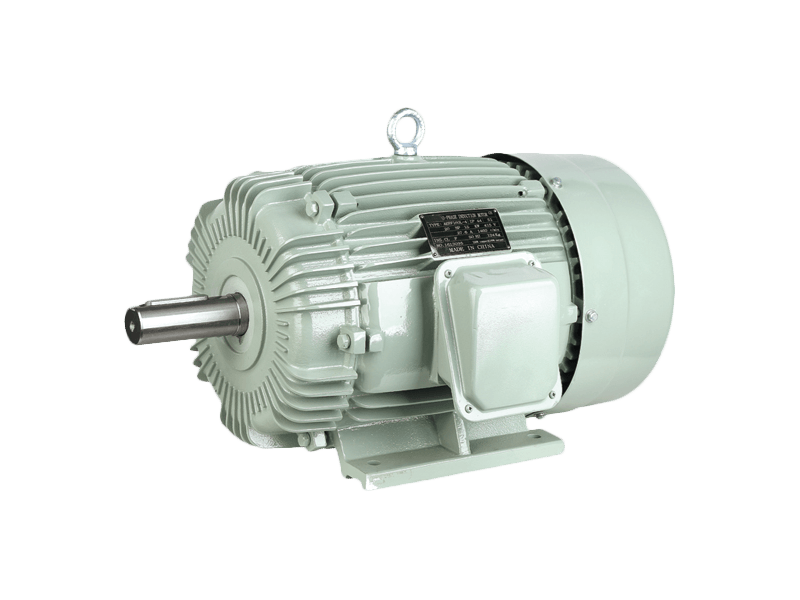
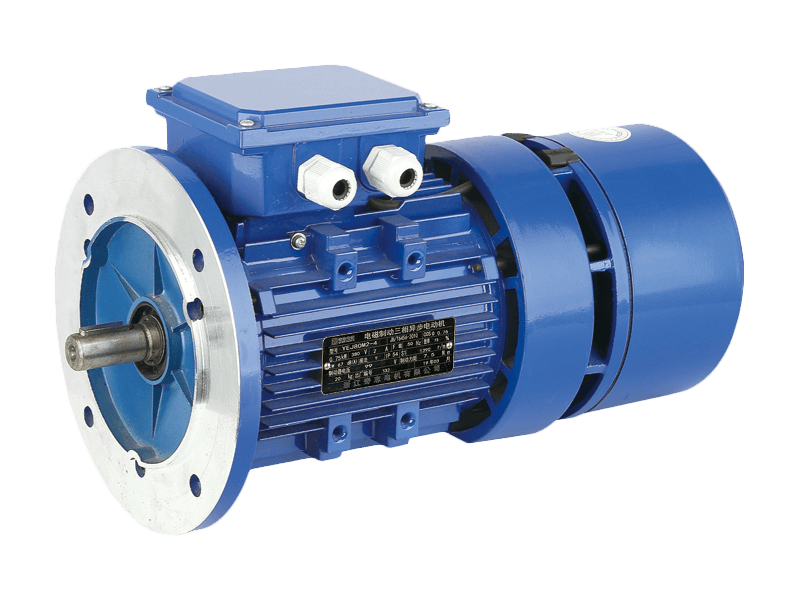
In the globalized landscape of industrial manufacturing and automation, the need for compatibility, reliability, and clear performance benchmarks is paramount. This need is met decisively by the widespread adoption of the IEC motor. This term refers to electric motors designed and built in accordance with the rigorous international standards published by the International Electrotechnical Commission. An IEC motor is not merely a product; it represents a universal framework that ensures dimensional interchangeability, consistent performance ratings, and standardized testing methods, facilitating seamless integration and trade across international markets.
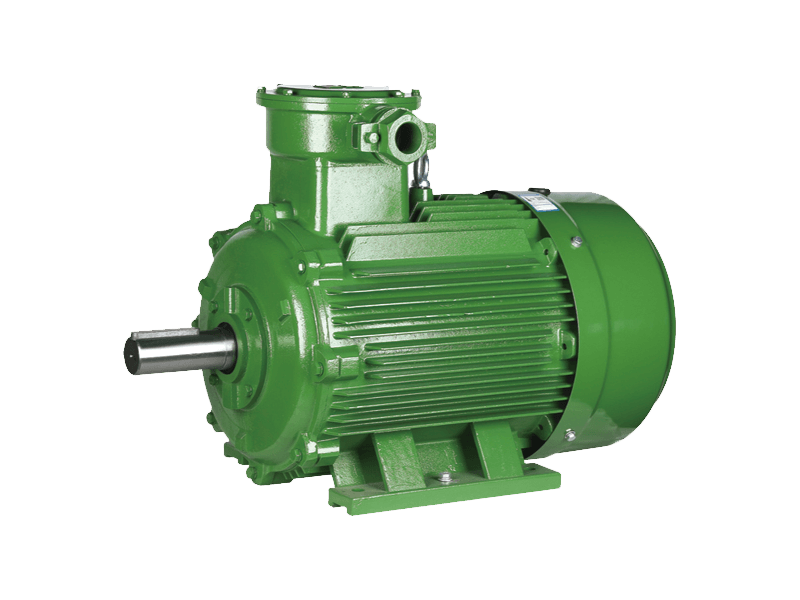
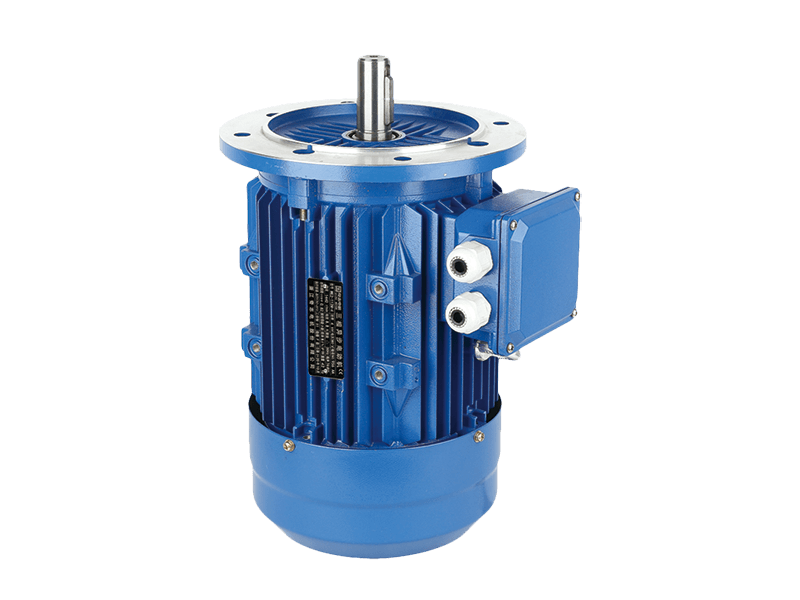
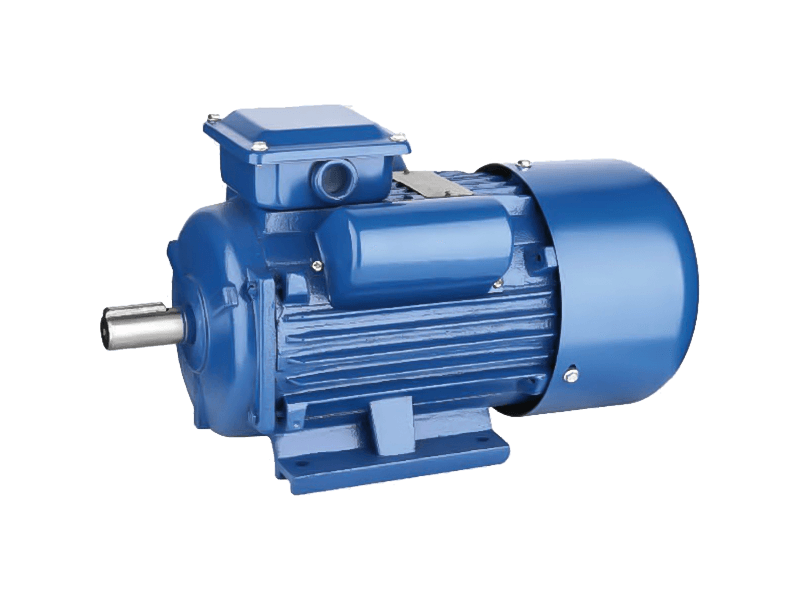
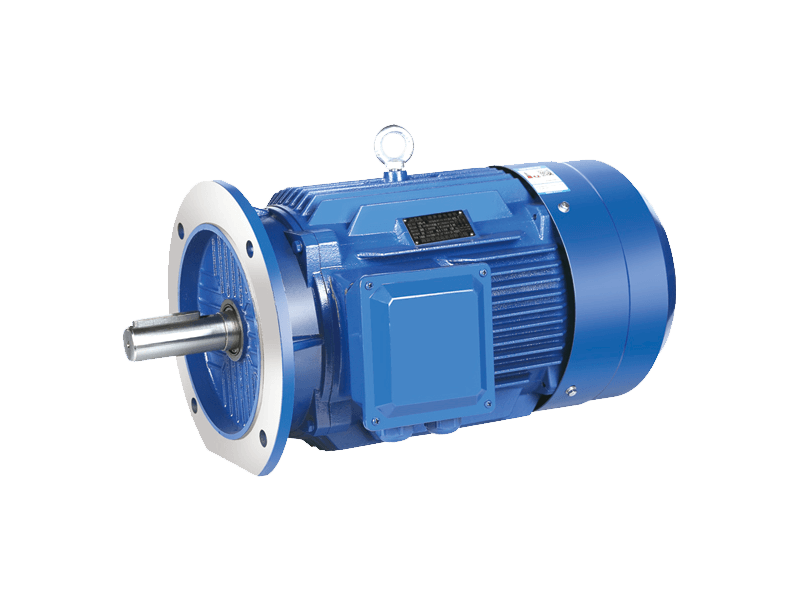
The primary significance of an IEC motor lies in its standardization. The IEC standards, notably the IEC 60034 series, define critical specifications. These include physical dimensions—such as flange sizes, shaft heights, and mounting foot patterns—ensuring that an IEC motor from one manufacturer can mechanically replace one from another without modifying the driven machine or baseplate. The standards also govern electrical characteristics, performance testing for efficiency and temperature rise, and classification systems for degrees of protection and methods of cooling. This common language allows engineers, procurement specialists, and maintenance teams worldwide to specify, source, and service motors with confidence, knowing that an IEC motor will conform to a predictable set of parameters.
The design and construction of an IEC motor are guided by principles of efficiency, durability, and safety. The standards establish efficiency classes, driving the industry toward more energy-efficient designs. A modern IEC motor incorporates high-quality materials, such as improved electrical steels for the magnetic core and Class F or H insulation systems, to achieve these efficiency goals while ensuring thermal resilience and long service life. The construction is robust, with features designed for global industrial environments, including effective sealing against dust and moisture and reliable bearing systems suitable for various load conditions.
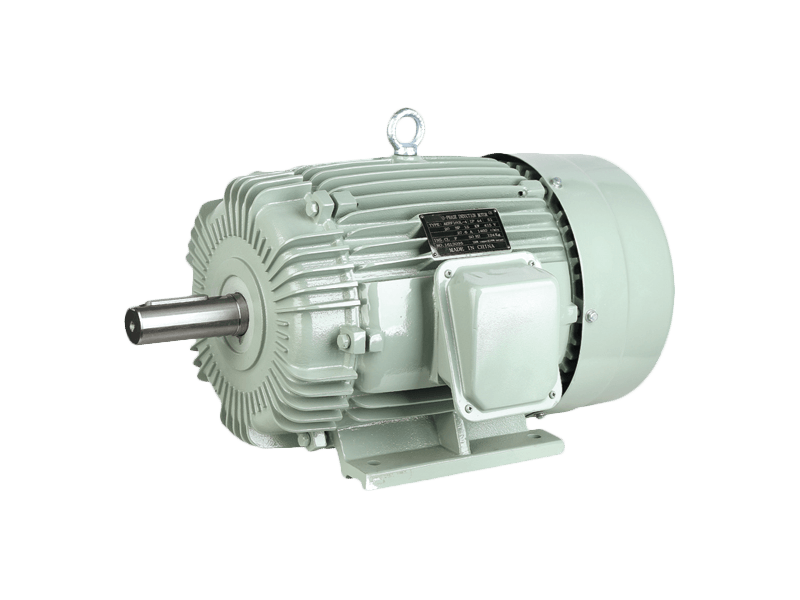
The application of the IEC motor is virtually universal in industrial and large-scale commercial settings. These motors are the default choice for driving pumps, fans, compressors, conveyors, mixers, and machine tools in sectors ranging from water treatment and chemical processing to HVAC and material handling. The standardization of the IEC motor is particularly valuable for original equipment manufacturers who build machinery for export, as it guarantees that their products can be easily serviced with locally available motors in different countries. For end-users, it simplifies maintenance, reduces spare parts inventory, and enhances supply chain resilience.
The market for IEC motor products is deeply influenced by global trends in energy regulation and sustainability. IEC efficiency classifications have been adopted into the legislation of many nations, mandating small performance levels for motors sold in their markets. This regulatory environment has accelerated the transition from standard efficiency to premium efficiency IEC motor designs. The push for lower lifecycle costs and reduced carbon footprints makes the high-efficiency IEC motor a strategic investment, as the savings in electricity consumption often far outweigh the initial purchase price premium over the motor's operational lifetime.
The evolution of the IEC motor standard continues to reflect technological progress and market needs. Updates to the standards incorporate new materials, address higher efficiency classes, and provide guidelines for integrating motors with variable speed drives. As industries worldwide pursue greater efficiency, automation, and interoperability, the IEC motor remains the foundational, standardized electromechanical component that powers this progress, ensuring that the driving force of industry speaks a common, reliable language.
 中文简体
中文简体 русский
 Español