中文简体
中文简体 русский
 Español
Industry News
Home / News / Industry News / Electric Water Pump Motor Design Shifts Toward Integrated Pump Systems



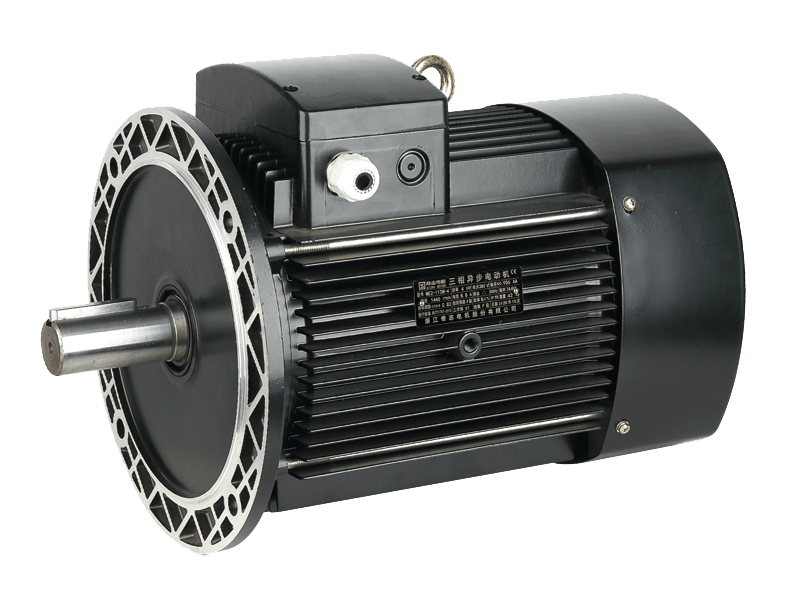
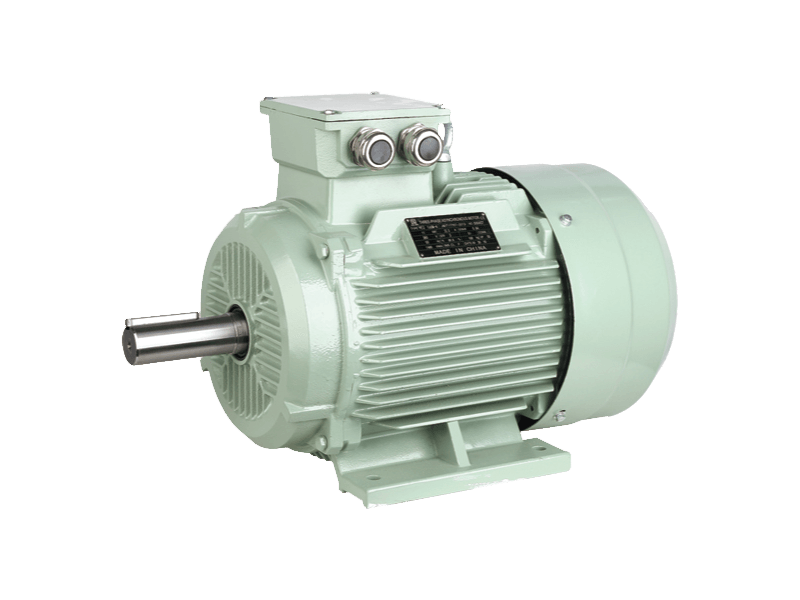
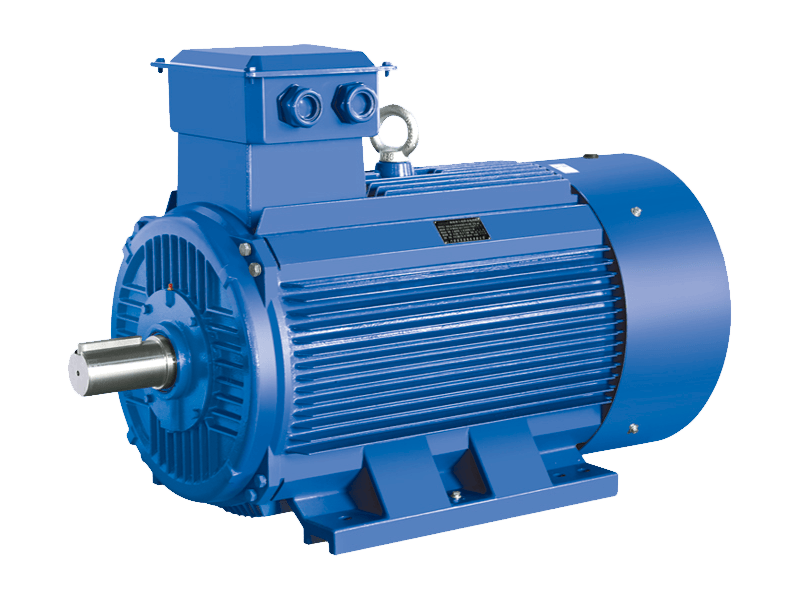
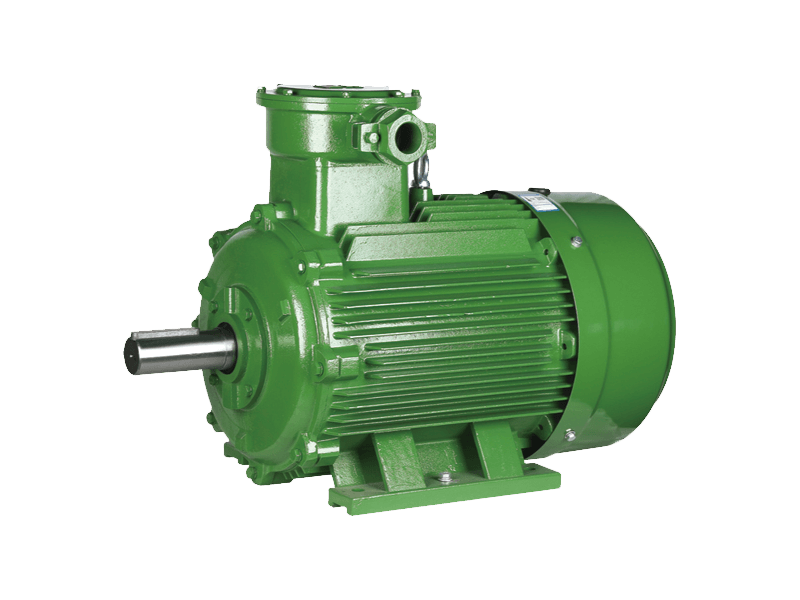
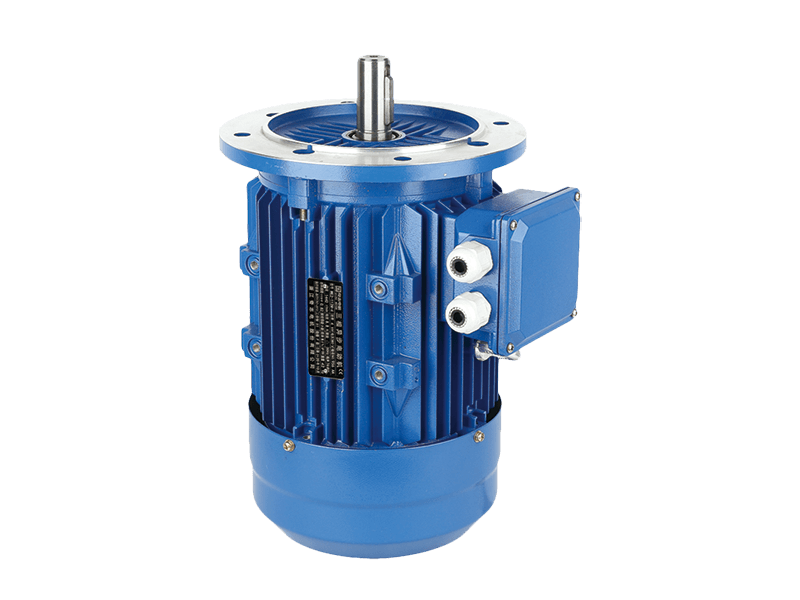
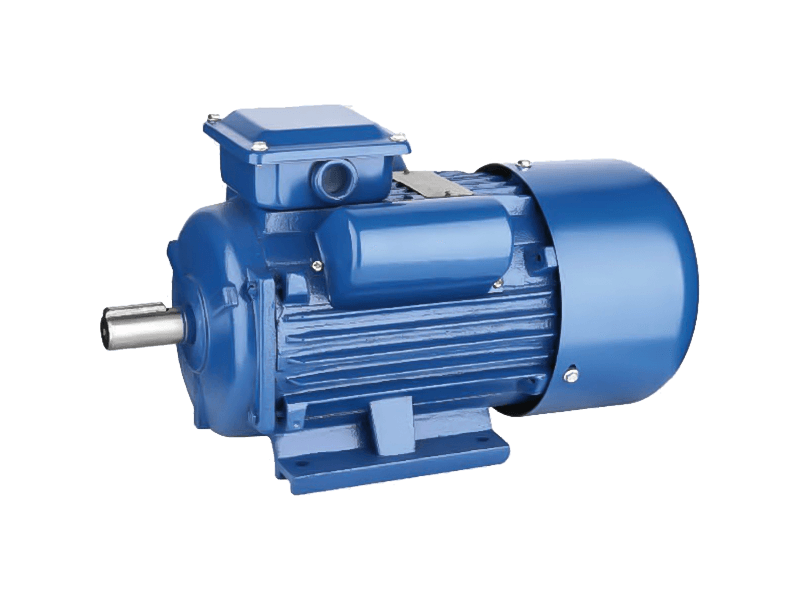
Water movement equipment is becoming more dependent on compact motor-and-pump combinations that can fit into increasingly constrained machine layouts. The Electric Water Pump Motor is part of this development, where motor selection is closely connected with pump structure, installation method, operating speed, and the working conditions of the complete equipment. For B2B buyers and equipment developers, the focus is moving beyond motor power alone toward how efficiently the motor and pump can function as an integrated system.
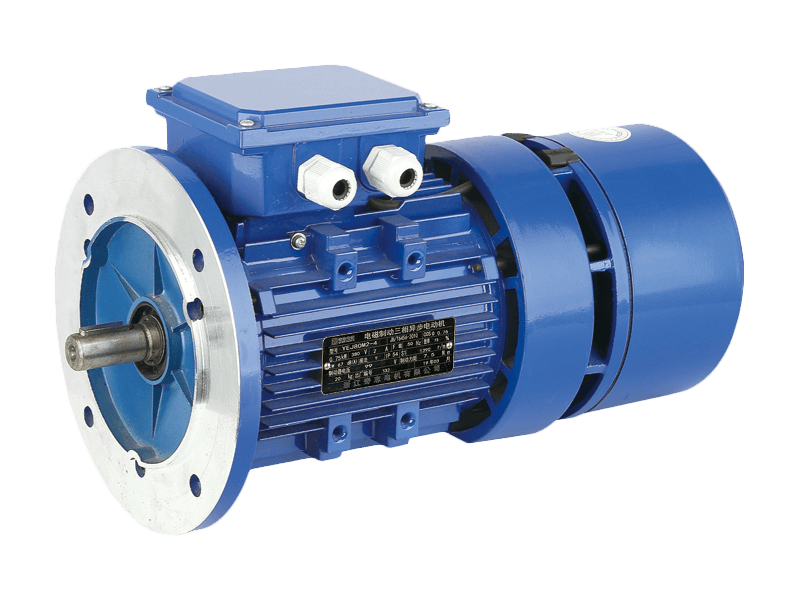
Traditional pump assemblies often rely on a separate motor, coupling, and pump shaft arrangement. This configuration can provide flexibility, but it also requires additional installation space and alignment between components. Integrated designs such as the YYB series connect the motor shaft directly with an axial plunger pump, removing the need for a separate coupling and reducing the overall installation space.
This approach illustrates an important direction in electric water pump motor development: the motor is no longer considered only as an independent power source. Its shaft dimensions, mounting structure, rotational speed, and torque characteristics need to correspond with the pump being driven. For machinery manufacturers, this relationship can influence the layout of the entire hydraulic system.
Pump performance depends heavily on operating speed and available motor power. The YYB range covers different motor configurations, with listed power options from 0.37 kW to 7.5 kW and operating speeds corresponding to 750, 1000, 1500, and 3000 r/min synchronous-speed classes.
For an electric water pump motor, this range matters because the same pump concept may be required to operate under different flow, pressure, or equipment conditions. A higher-speed motor is not automatically the appropriate choice. Product developers generally need to consider the pump's operating characteristics together with the motor's rated output, torque, efficiency, and intended duty.
This is particularly relevant when motors are integrated into machinery rather than used as standalone components. Selecting the motor from the complete system perspective can simplify mechanical matching and help maintain predictable operating characteristics.
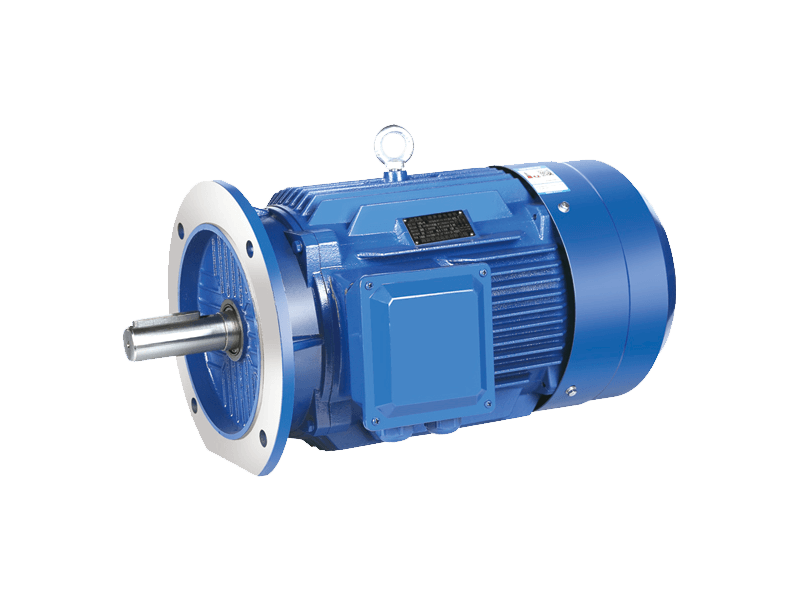
Motor mounting is another practical consideration receiving more attention as equipment becomes more compact. The YYB series supports IM B3 and IM B5 installation structures, providing different approaches for incorporating the motor into machinery.
For equipment designers, mounting configuration can influence the available installation space, shaft alignment, maintenance access, and connection between the motor and pump. A suitable electric water pump motor therefore needs to fit not only the electrical requirements but also the mechanical architecture of the equipment.
Direct motor-to-pump arrangements can be particularly useful where reducing the number of mechanical connection components is part of the design objective. The result is a system architecture in which motor dimensions and pump configuration are considered together from the early development stage.

The operating environment also affects motor selection. The YYB product information specifies an IP55 protection class and F insulation class, together with S1 continuous-duty operation. These specifications provide a useful reference when equipment developers evaluate the motor for continuous industrial applications.
For an electric water pump motor, enclosure protection and insulation class are not isolated specifications. They should be considered alongside ambient conditions, operating duration, installation position, and the surrounding machinery. Different applications may impose different requirements, so the motor's technical configuration needs to correspond with the actual operating environment.
Motor-driven pump systems are used across a broad range of industrial equipment. Qizhi Motor's product information lists applications including machine tools, forging equipment, cranes, ships, injection molding machines, metallurgy, engineering machinery, mining machinery, and hydraulic machinery.
This range shows why electric water pump motor development cannot be separated from the machinery in which the motor will operate. A motor used in hydraulic equipment may face different requirements from one installed in another industrial system. Power range, rotational speed, mounting arrangement, and pump compatibility all become part of the equipment-development process.
The same principle applies to centrifugal and multistage pumping equipment, where motor characteristics need to correspond with the hydraulic requirements of the pump assembly.
For B2B product developers, the selection of an electric water pump motor increasingly involves more than comparing rated power and dimensions. Shaft configuration, mounting method, speed class, protection level, insulation, duty type, and pump compatibility can all influence the final equipment design.
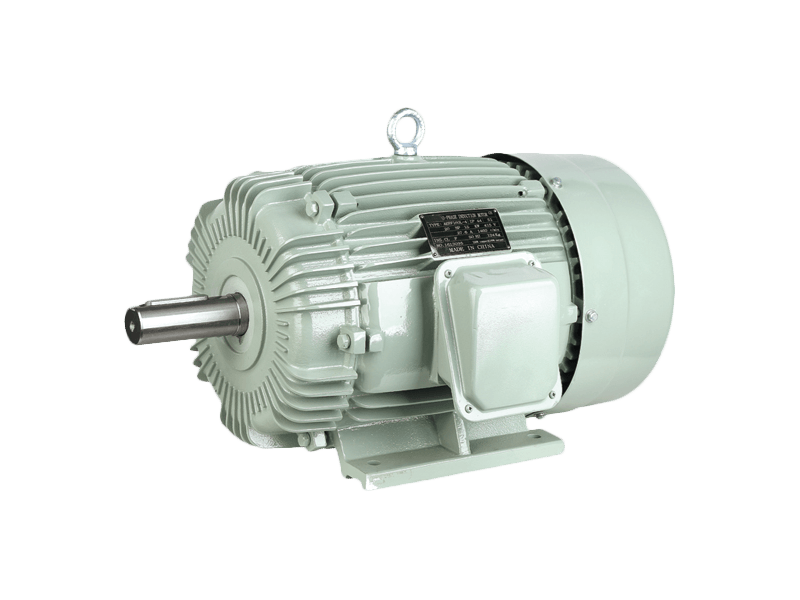
Manufacturers such as Zhejiang Qizhi Motor Co., Ltd. operate across multiple motor and pump categories, including three-phase asynchronous motors, frequency-controlled motors, braking motors, centrifugal pumps, and vertical multistage pumps. This broader product structure reflects how motor and pump technologies increasingly overlap in industrial equipment development.
As machinery designers continue to pursue compact layouts and better component integration, the relationship between the motor and the driven pump is likely to remain a central consideration. The development of electric water pump motor systems is consequently moving toward closer mechanical compatibility, more application-specific configurations, and greater attention to the requirements of the complete pumping system rather than the motor as an isolated component.