


Most conversations about an industrial gearbox reducer start with ratio and torque, and end there too. On a working production line, though, the detail that determines whether a reducer installs cleanly is often simpler: how the unit is meant to be mounted relative to the motor driving it. A mismatch there can turn what should be a straightforward pairing into a redesign of the mounting bracket.
Worm-gear reducers, the type most commonly paired with small and medium industrial motors, are built to be installed in a specific set of orientations relative to the drive motor — horizontal, vertical, or at a fixed angle depending on the housing casting. Getting this right early matters because the mounting position affects lubrication behavior inside the housing, not just the physical fit. An industrial gearbox reducer designed for horizontal mounting will not necessarily distribute oil the same way if installed vertically, which is why manufacturers publish mounting-position diagrams alongside ratio and output-shaft data rather than treating them as an afterthought.
Inside the housing, a worm shaft meshes with a bronze worm wheel to produce the speed reduction, and the geometry of that mesh is what gives worm-gear reducers their characteristic combination of high reduction ratios in a compact housing. Because the worm and wheel operate under sliding rather than rolling contact, material choice for the wheel — typically a bronze alloy running against a hardened steel worm — has a direct bearing on how the gear pair behaves under sustained load. This construction is also why worm-gear units are generally quieter running than parallel-shaft alternatives, a characteristic that matters more on some production floors than the raw efficiency numbers do. It is also one of the reasons a well-built industrial gearbox reducer can run for years with only routine oil changes rather than gear replacement.
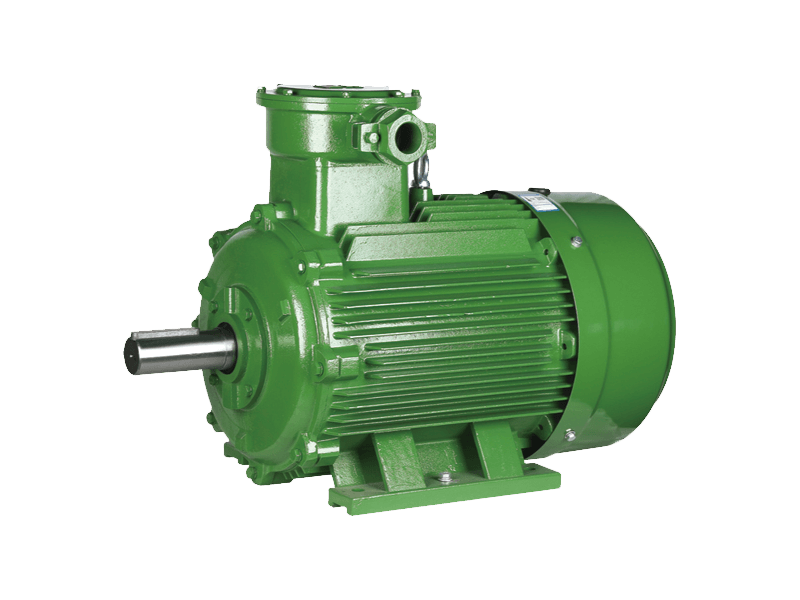
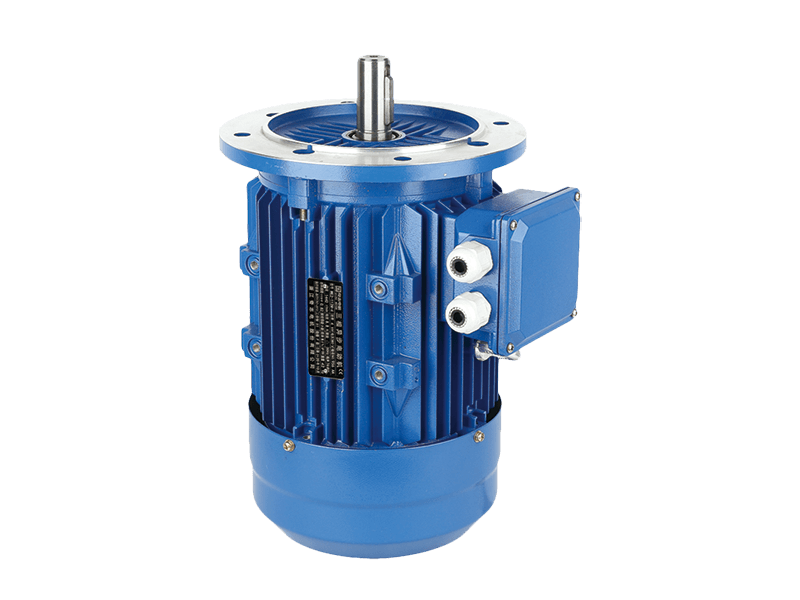
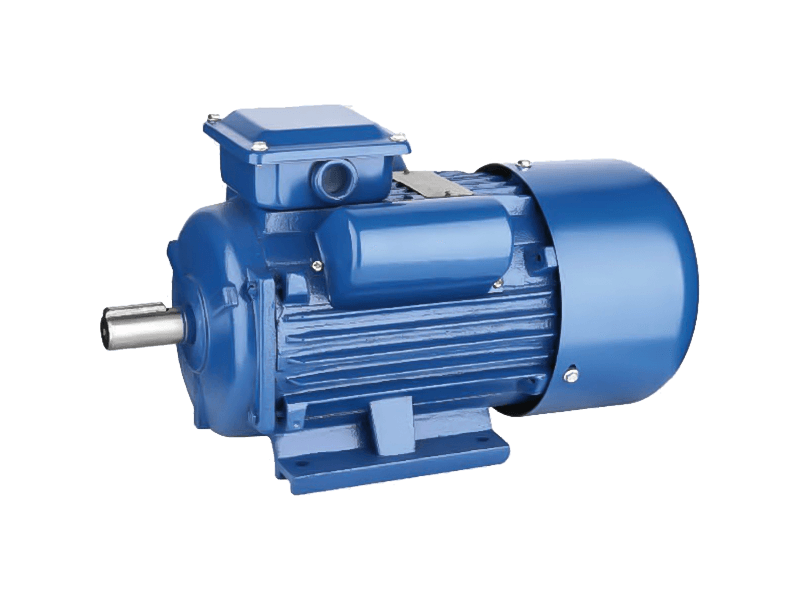
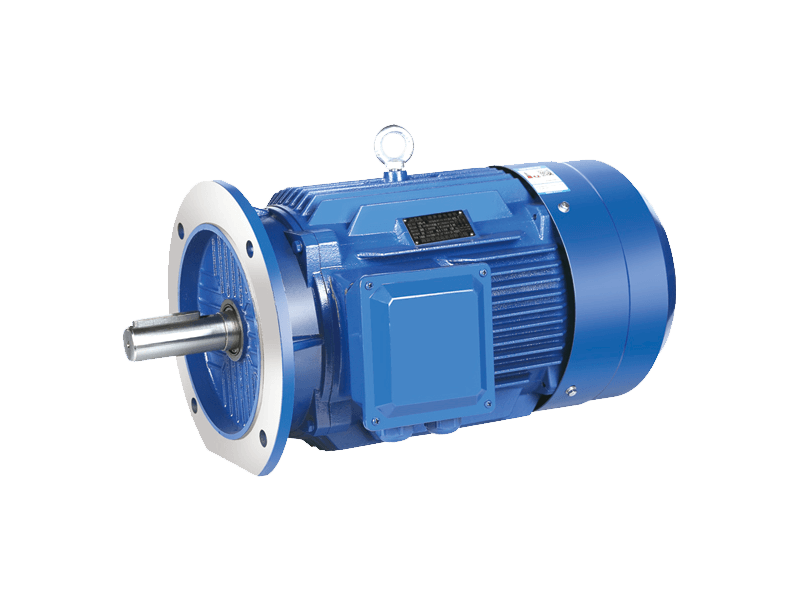
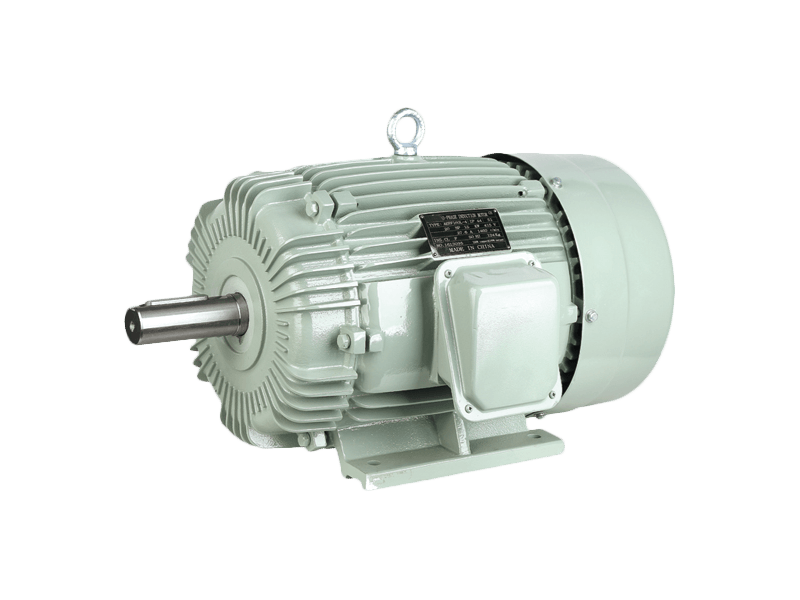
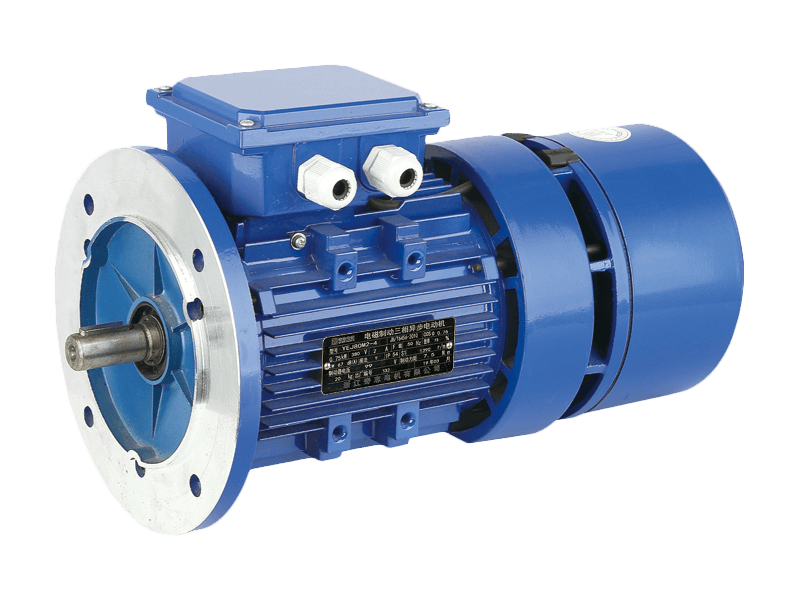
An industrial gearbox reducer is rarely selected in isolation — it is specified alongside the motor that will drive it, and frame-size compatibility between the two is what determines whether the pairing bolts together as a single gearmotor or needs an adapter. Reducer housings in this category are typically built across a range of frame sizes so that a given ratio can be matched to motors from fractional horsepower up through several kilowatts, letting the same basic reducer design serve conveyor drives, mixers, and packaging equipment without needing a separate gearbox family for each.
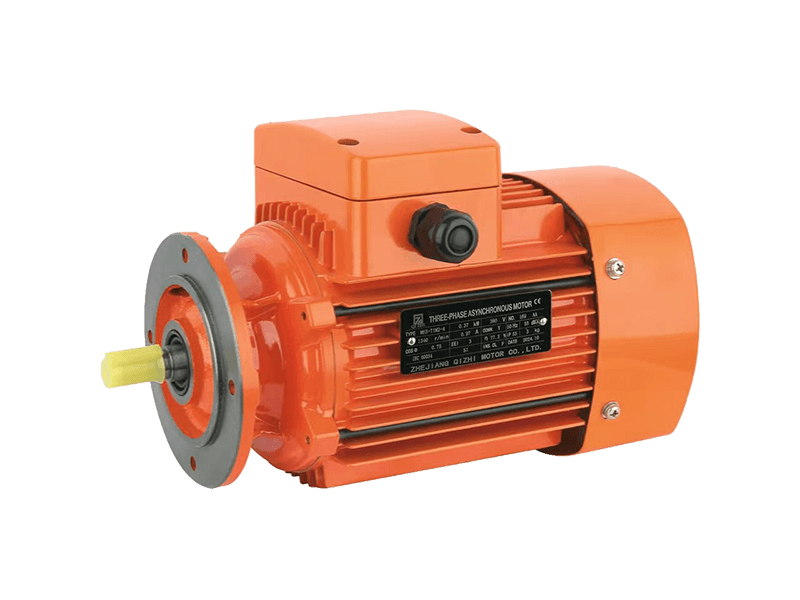
Reducer units of this type appear across a wide span of equipment — conveyor systems, food and beverage processing lines, packaging machinery, and general material-handling equipment where a motor's native output speed is too high for the driven load. The appeal for equipment builders is largely about standardization: a single worm gear reducer family, available across several ratios and frame sizes, can often cover multiple pieces of equipment on the same line rather than requiring a different gearbox type for each application.
For OEMs and equipment integrators sourcing this component, useful comparison points include mounting orientation compatibility with the existing motor layout, available reduction ratios relative to the target output speed, output shaft configuration (solid versus hollow shaft), and housing material given the operating environment. Buyers standardizing across multiple machine types can also compare how consistently a manufacturer's frame-size range lines up with common IEC motor dimensions, since that compatibility can simplify sourcing when a line uses several industrial gearbox reducer sizes at once.
Because reducers in this category are almost always paired with a separate motor rather than sold as a fixed unit, manufacturers commonly offer configuration options around shaft type, mounting flange pattern, and ratio selection to suit a buyer's existing equipment design. Zhejiang Qizhi Motor Co., Ltd., which has produced motors and reducers since 1996, offers its NMRV reducer series across multiple ratios and frame sizes as part of a broader low-voltage motor and reducer lineup built for pairing rather than standalone use.
Industrial gearbox reducer selection, in practice, tends to work backward from the equipment it will drive rather than forward from a catalog page — which is part of why mounting position and frame-size compatibility often carry as much weight in a sourcing decision as the reduction ratio itself.
 中文简体
中文简体 русский
 Español