


For months, everything seems normal.
The compressor starts each morning, pressure builds as expected, and production continues without interruption. Then one day somebody mentions that the machine sounds different. A few days later, maintenance checks become more frequent. Before long, people start discussing whether a replacement might be needed.
Interestingly, these conversations do not always begin because a major component has failed.
In many workshops, the change develops slowly enough that nobody notices it.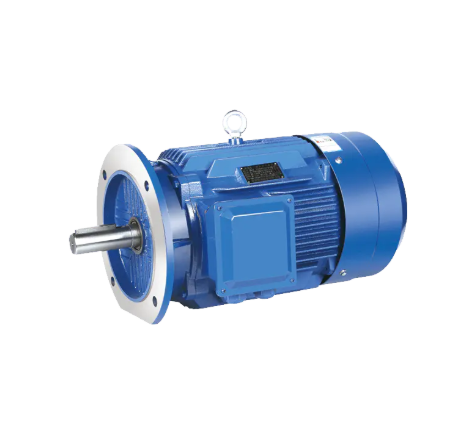
The Problem Sometimes Starts Outside The Machine
Several years ago, a factory expanded one section of its production area and moved additional equipment closer to the compressor room. The change improved workflow, but it also reduced airflow around several machines.
Nothing happened immediately.
The compressor continued operating.
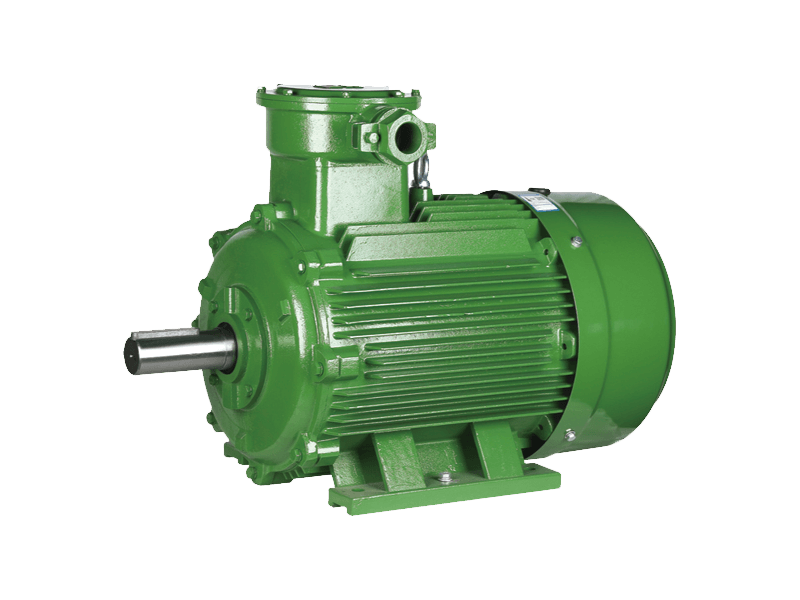
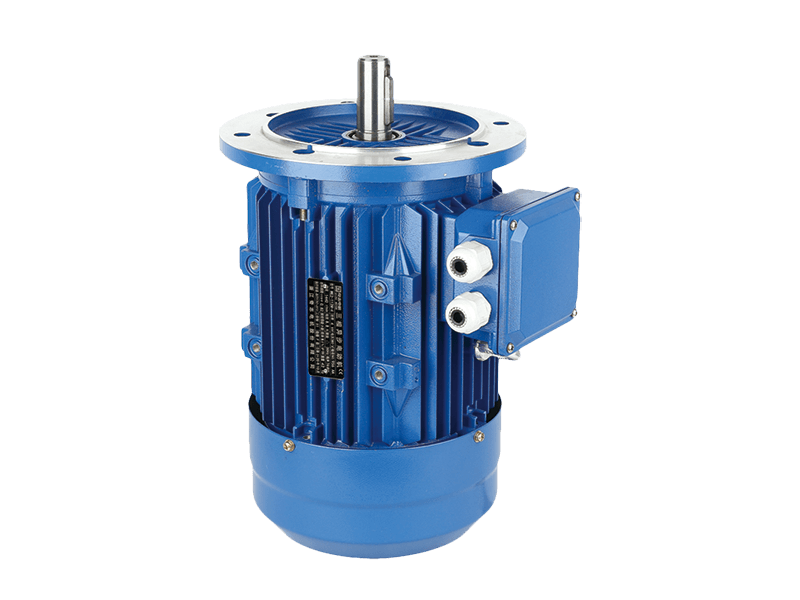
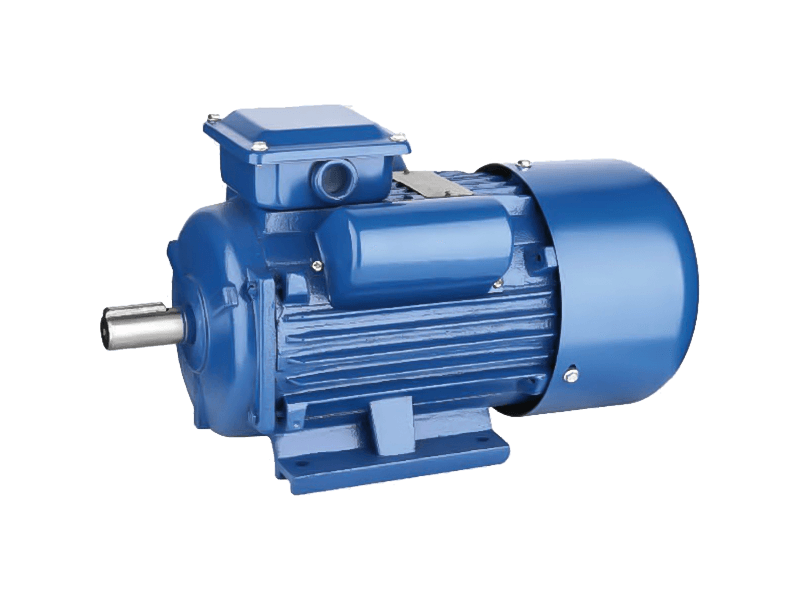
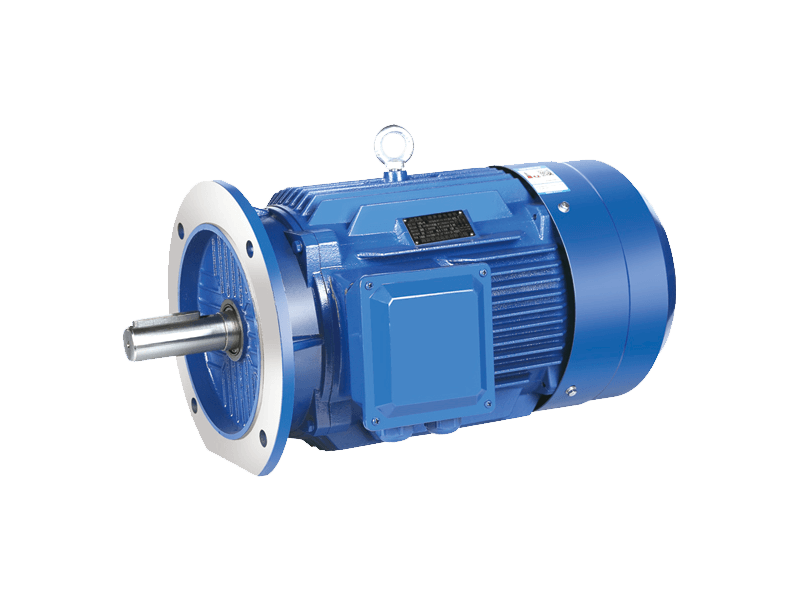
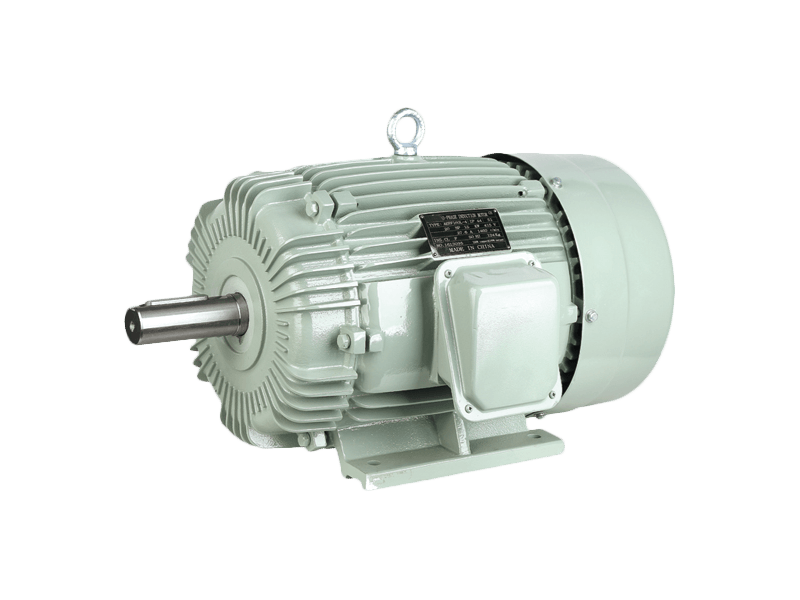
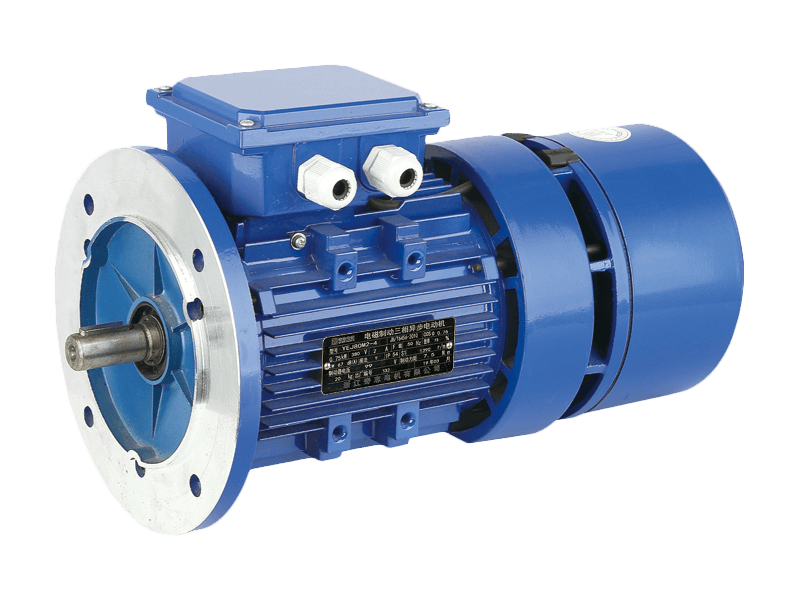
The air compressor drive motor continued operating too.
A few months later, operating temperatures began creeping upward. Not enough to trigger alarms, but enough to appear in maintenance records.
The motor itself had not changed.
The room around it had.
This kind of situation appears more frequently than many people expect. When troubleshooting begins, attention often focuses on the compressor. Yet surrounding conditions may have changed long before the equipment starts showing symptoms.
Small Changes Have A Habit Of Accumulating
Production environments rarely remain identical from year to year.
Additional pneumatic tools are added.
Operating hours increase.
A second shift is introduced.
Compressed air demand gradually grows.
Each change may seem minor when viewed individually.
Together, they can create a workload that looks very different from the conditions present when the system was originally installed.
An air compressor drive motor does not know whether a factory expanded last month or last year. It simply responds to the load placed upon it.
This is one reason experienced maintenance teams sometimes spend more time reviewing production changes than inspecting electrical components during the early stages of troubleshooting.
The answer is not always hidden inside the motor housing.
Dust Is Usually Ignored Until It Becomes Visible
Dust rarely arrives all at once.
It settles slowly.
Day after day, small particles collect on surfaces, cooling passages, and ventilation openings. Because the process is gradual, it often attracts little attention.
Then summer arrives.
Temperatures rise.
Equipment begins running warmer.
At that point, cleaning suddenly becomes a priority.
An air compressor drive motor depends on effective cooling throughout the working day. When airflow becomes restricted, heat has fewer opportunities to escape. The result may not be immediate failure. More commonly, the equipment simply works harder to maintain the same result.
The challenge is that by the time the dust becomes obvious, it has often been influencing operating conditions for quite a while.
What Maintenance Records Usually Reveal
When maintenance logs are reviewed over a longer period, patterns often begin to appear.
Not dramatic events.
Small ones.
Slight temperature increases.
More frequent inspections.
Additional lubrication checks.
Minor adjustments that seemed unrelated at the time.
Individually, none of these entries look particularly important.
Placed together, they tell a story.
An air compressor drive motor may attract attention because it is connected directly to the compressor, but the underlying cause frequently involves a combination of operating conditions rather than a single fault.
This is why experienced technicians rarely rush toward conclusions after hearing an unusual sound or seeing a temperature increase.
Instead, they start asking questions.
Has production volume changed?
Has equipment been relocated?
Has ventilation been affected?
Has compressed air demand increased recently?
The answers often explain far more than a quick inspection can.
In many factories, the compressor that suddenly seems troublesome has actually been sending small signals for months. The challenge is not identifying a catastrophic failure. The challenge is recognizing the gradual changes that occur around the equipment before those changes begin affecting daily operation. An air compressor drive motor is often part of that story, but rarely the entire story on its own.
 中文简体
中文简体 русский
 Español