


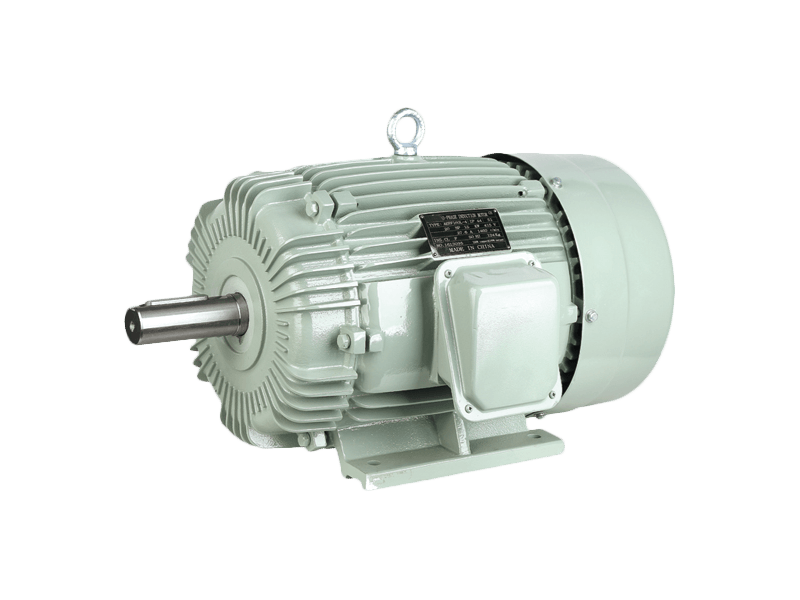
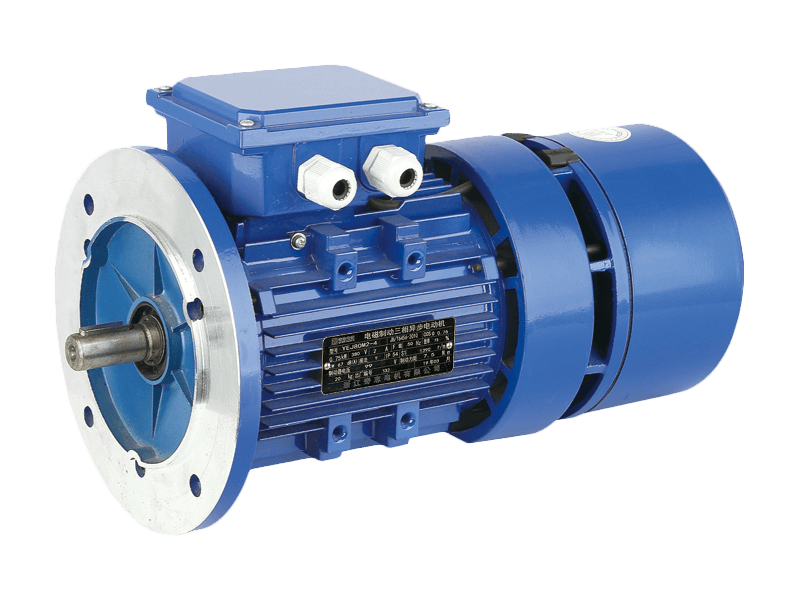
Three phase motor appears in almost every industrial environment where machines need to run continuously without performance fluctuation. Instead of being treated as a separate component, it is usually considered part of the system that keeps production lines, pumping stations, and processing equipment operating in a stable condition throughout the day.
In many factories, discussions about industrial motor systems are not focused on whether a motor can run, but on how smoothly it maintains output under long working cycles.
Continuous Operation Defines Industrial Use
In most production environments, equipment does not stop after a short cycle.
Conveyors run for hours.
Pumps operate across entire shifts.
Compressors maintain pressure levels throughout the day.
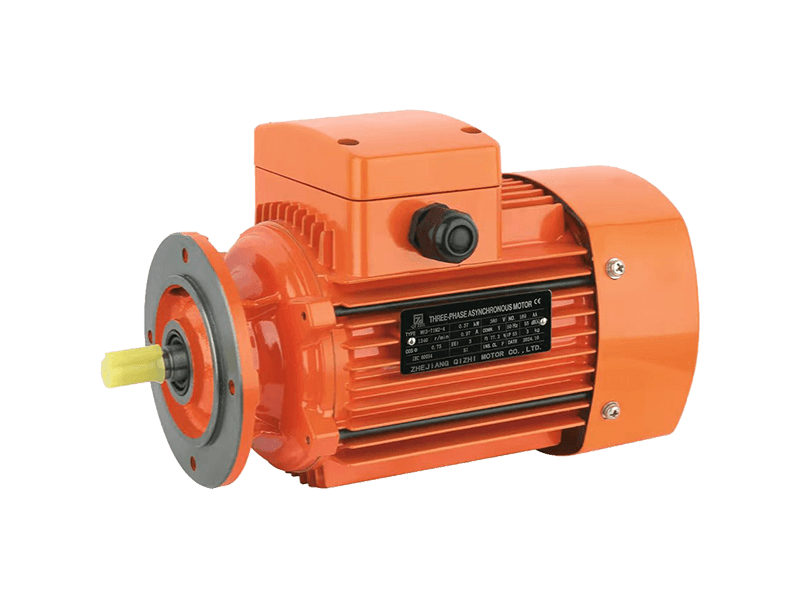
Under these conditions, a three phase motor is often selected because it can maintain a more stable rotating field compared with simpler motor types.
Engineers usually observe that operational stability matters more than short-term power output when evaluating three phase motor performance in real applications.
Load Changes Are Part Of Daily Work
Industrial machines rarely operate under fixed load.
Material density may change.
Flow resistance may vary.
Mechanical resistance increases during extended operation.
These changes require motors to respond without sudden vibration or speed instability.
This is why many system designers prefer three phase motor setups in applications where load conditions are not constant.
Typical Industrial Applications
Different industries use the same motor type in different ways:
|
Industry Area |
Typical Equipment |
Operating Requirement |
|
Water systems |
Pumps |
Continuous flow stability |
|
Manufacturing |
Conveyor lines |
Constant torque output |
|
HVAC systems |
Fans & compressors |
Long operating hours |
|
Material handling |
Crushers |
High load resistance |
Although the applications differ, the requirement remains similar: stable performance during continuous use of three phase motor systems.
Installation Conditions Affect Performance
Motor performance is not determined by design alone.
Installation quality also influences output.
Mount alignment.
Cable balance.
Cooling space.
These factors affect how efficiently a three phase motor transfers electrical energy into mechanical movement.
In industrial environments, small installation differences often become noticeable after long operating periods rather than during initial testing.
Heat Management During Long Operation
Heat buildup is a normal part of continuous operation.
When motors run for extended periods, temperature gradually rises.
If cooling conditions are not properly managed, efficiency may drop over time.
For this reason, engineers often consider ventilation conditions and surrounding equipment layout when installing three phase motor systems in confined industrial spaces.
Maintenance Focus Is Shifting
Traditional maintenance approaches often rely on fixed schedules.
However, many modern facilities now monitor operating conditions instead.
Vibration level.
Temperature variation.
Load fluctuation.
These indicators help technicians understand when attention is needed before a failure occurs.
This approach has made three phase motor maintenance more predictive rather than reactive in many production environments.
System Stability Matters More Than Peak Output
In real industrial use, motors are rarely judged by maximum specifications.
They are evaluated by consistency.
Whether they maintain speed under changing load.
Whether they continue operating without vibration increase.
Whether they remain stable after long duty cycles.
Because of these expectations, three phase motor systems are often selected not for extreme performance but for long-term operational stability in industrial conditions.
 中文简体
中文简体 русский
 Español