


A maintenance engineer once faced a frustrating situation.
The production line was running normally. Current readings looked acceptable. No overload alarm appeared on the control panel. Yet the motor housing felt noticeably hotter than expected during routine inspection.
The immediate reaction was to suspect a fault.
A few hours later, the inspection report told a different story.
The motor was healthy.
The surrounding operating conditions were not.
Situations like this are common in workshops where equipment runs for long periods every day. Temperature problems are not always linked to damaged components. In many cases, installation details, ventilation conditions, and operating habits gradually influence motor performance over time.
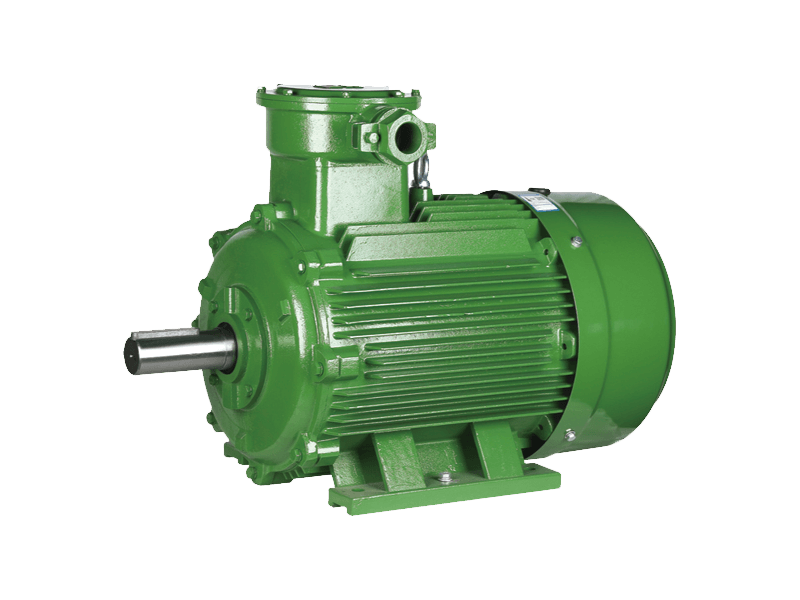
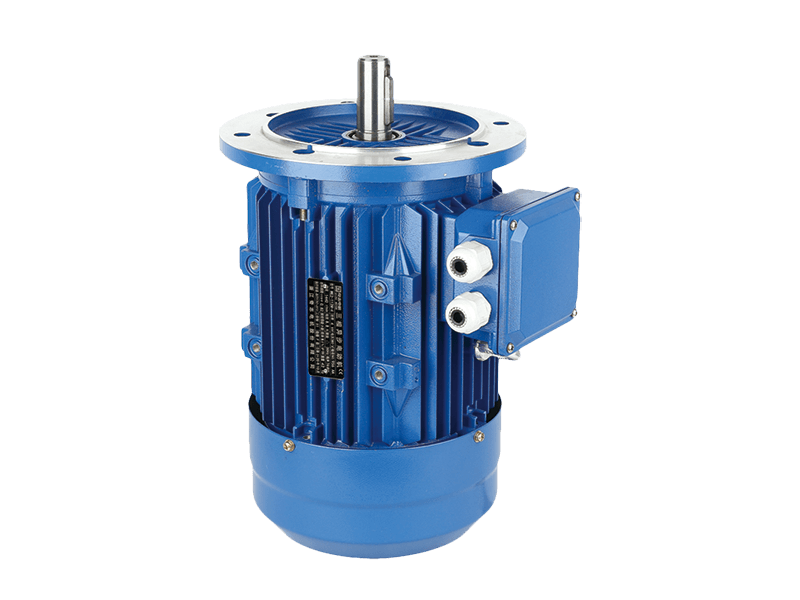
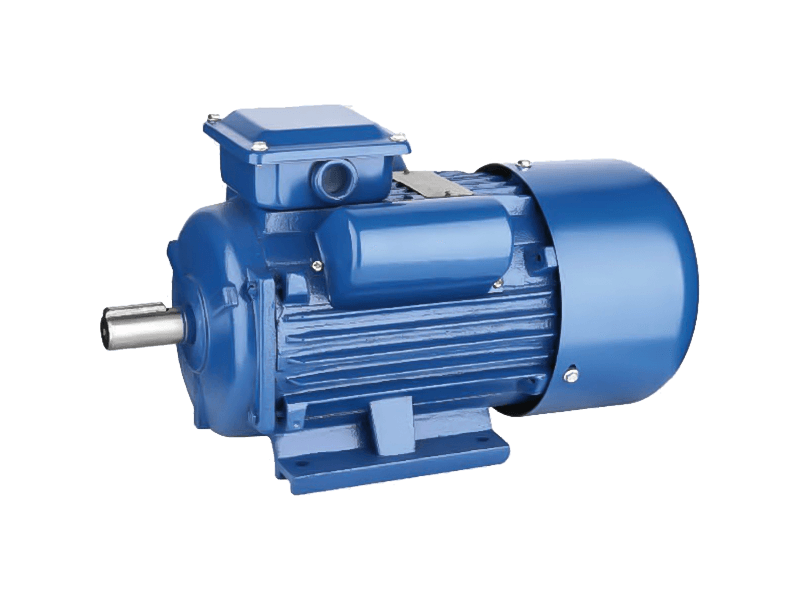
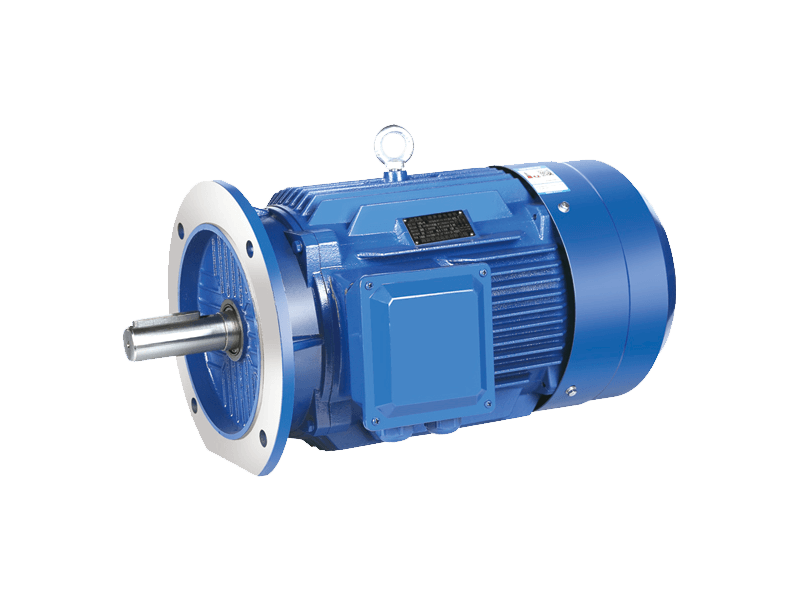
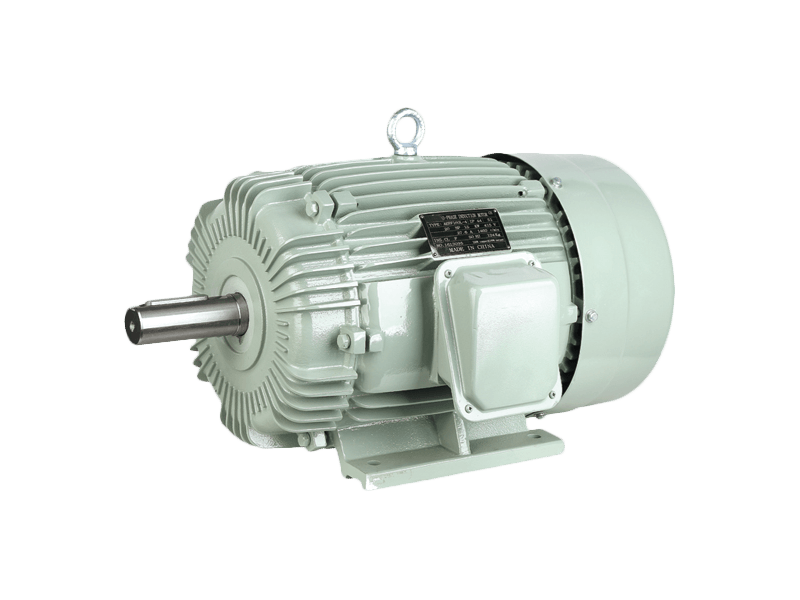
This is one reason the Y2 motor continues to appear in pumps, fans, compressors, conveyors, and various industrial machines where stable operation matters throughout the working day.
Heat Does Not Always Mean Failure
When a motor feels hot, replacement is often the first idea discussed.
The actual cause can be much simpler.
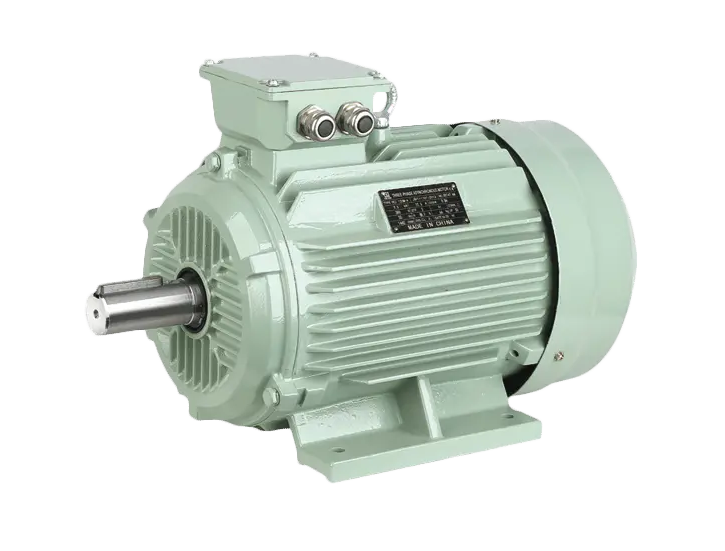
Dust accumulation around cooling fins, restricted airflow, excessive ambient temperature, or improper mounting locations may all affect heat dissipation.
Inside a manufacturing plant, these small details often develop slowly. Operators become accustomed to the environment and changes are not immediately noticed.
Several months later, motor temperature begins attracting attention.
The equipment itself may still be operating exactly as designed.
Workshop Layout Can Influence Motor Performance
A motor installed in an open area behaves differently from one positioned beside a wall or enclosed inside equipment.
Air circulation changes.
Dust concentration changes.
Heat generated by nearby machinery also changes.
During equipment upgrades, production layouts are sometimes adjusted while the original motor remains in the same location. The machine continues operating, but the thermal conditions around it may be completely different.
An experienced technician often evaluates the entire installation area before assuming the motor is responsible.
For a Y2 motor, stable cooling conditions are just as important as electrical performance.
Why Continuous Operation Reveals More Than Start-Up Tests
A motor may pass every inspection during commissioning.
The challenge appears after hundreds or thousands of operating hours.
Conveyor systems, water pumps, and industrial fans rarely work under laboratory conditions. They encounter changing temperatures, varying loads, dust, vibration, and seasonal humidity.
These factors rarely create immediate failures.
Instead, they influence long-term operating stability.
This is why engineers often pay attention to running conditions over several months rather than focusing only on the first week after installation.
Small Efficiency Differences Become Visible Over Time
During equipment selection, purchase decisions are often influenced by output, dimensions, and cost.
Energy consumption receives more attention later.
The effect becomes easier to see when equipment operates daily.
|
Operating Factor |
Short-Term Observation |
Long-Term Observation |
|
Power Consumption |
Difficult to notice |
Accumulates gradually |
|
Heat Generation |
Appears acceptable |
Influences operating conditions |
|
Cooling Performance |
Often overlooked |
Becomes more important over time |
|
Maintenance Planning |
Limited impact |
Affects service schedules |
This explains why efficiency classifications are discussed frequently during industrial motor selection.
The difference may appear small on paper but becomes easier to observe across extended operating periods.
The Environment Often Changes Before The Motor Does
A motor installed today may operate in a different environment next year.
Production volume increases.
Additional machinery is installed.
Ventilation patterns change.
Dust levels fluctuate with seasonal conditions.
Each change influences operating conditions in some way.
For this reason, troubleshooting often begins with questions about the surrounding process rather than the motor itself.
A Y2 motor is usually part of a larger system, and system conditions frequently determine how the equipment performs over time.
Looking Beyond The Nameplate
Motor specifications provide valuable information, but daily operation tells a different story.
Two identical motors can experience completely different working conditions depending on the production environment.
One may operate in a clean, well-ventilated workshop.
Another may face dust, restricted airflow, and continuous loading throughout the day.
The nameplate remains the same.
The operating experience does not.
This is why motor performance discussions often extend beyond voltage, speed, and power ratings. In practical applications, airflow, installation position, operating hours, and maintenance habits can influence results just as much as the specifications listed in a catalog.
When a motor begins running hotter than expected, the answer is not always hidden inside the motor itself. Sometimes the surrounding environment has already provided the explanation long before the first inspection begins. A Y2 motor operating under suitable conditions can often demonstrate this difference more clearly than any specification sheet.
 中文简体
中文简体 русский
 Español