


A 220V Single Phase Motor has a problem that a three-phase motor never faces: a single-phase supply cannot start the rotor turning on its own. Zhejiang Qizhi Motor Co., Ltd. makes its single-phase range around the capacitor circuits that solve this problem, and the choice of circuit decides how the motor behaves in an air compressor, a water pump, or a fan.
Three-phase power produces a rotating magnetic field that drags the rotor around from standstill. A single-phase supply produces a field that pulses back and forth in place. A rotor sitting in that field feels equal pushes in both directions and does not move, though it will keep running if it is spun by hand. A 220V Single Phase Motor therefore carries a second winding, offset from the main winding, and a capacitor that shifts the current in that winding out of step with the main one. The shift creates a field that rotates long enough to get the rotor moving.
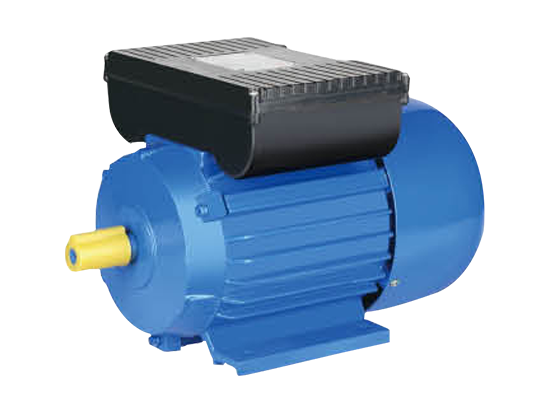
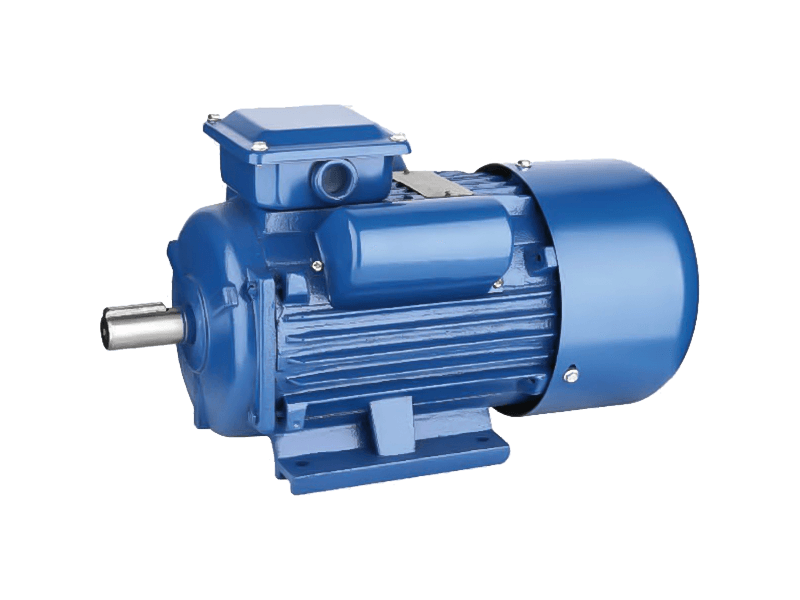
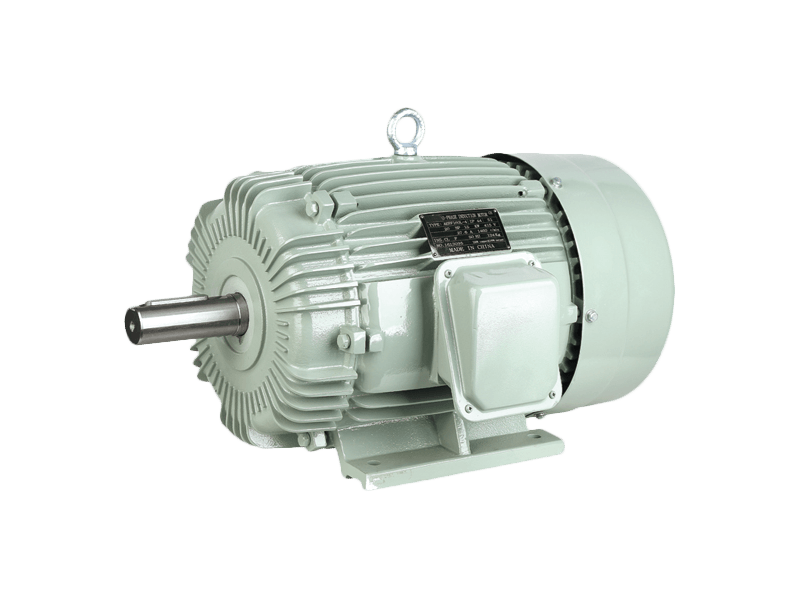
In a capacitor-start design, a large capacitor sits in series with the starting winding. It produces a strong phase shift and a high starting torque, which is the force needed to break a loaded shaft loose. Once the rotor reaches around three quarters of its running speed, a centrifugal switch opens and disconnects the starting winding and capacitor. The main winding then carries the motor alone. A capacitor-start motor suits loads that are hard to start, such as a piston air compressor or a pump working against pressure. Zhejiang Qizhi Motor Co., Ltd. makes the YC and YCL series as heavy-duty capacitor-start induction motors for this kind of service. Starting torque and starting current figures for each frame can be confirmed with the factory before ordering.
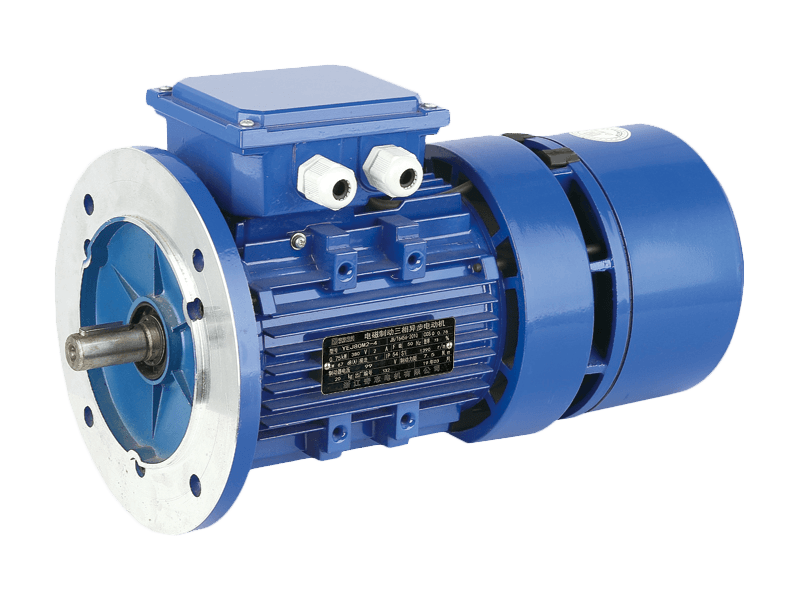
A dual-capacitor motor keeps a second, smaller capacitor in the circuit while the motor runs. The start capacitor drops out after startup, and the run capacitor stays on the auxiliary winding. This improves power factor and makes the magnetic field more uniform, so the motor runs more smoothly and draws less current at its rated load. The trade-off is a lower starting torque than a pure capacitor-start design of the same size. Zhejiang Qizhi Motor Co., Ltd. makes the ML and YL series as single-phase dual-capacitor induction motors. A 220V Single Phase Motor in this style suits loads that are easy to start but run for long periods. Capacitor values and ratings for each model can be confirmed with the factory before ordering.
Uses for the 220V Single Phase Motor range at Zhejiang Qizhi Motor Co., Ltd. include air compressors, washing machines, water pumps, fans, reducers, and host machines in the mechanical industry. A compressor starts under load and needs strong starting torque. A fan starts easily and spends hours at a steady speed, so running efficiency matters more. A washing machine reverses and restarts constantly, and a reducer adds friction at startup. Each machine places a different demand on a 220V Single Phase Motor, and the circuit type is the key choice that shapes the result.
A 220 volt supply is common in homes, workshops, and small factories across many regions, and a 220V Single Phase Motor serves places where three-phase power is not wired in. Frequency, power rating, speed, insulation class, enclosure protection, and frame size are not specified here and can be confirmed with the factory before ordering. A 220V Single Phase Motor designed for one mains frequency does not behave the same on another, so the supply at the final site matters.
The nameplate of a 220V Single Phase Motor carries the facts an installer needs: rated voltage, frequency, power, speed, and capacitor values. Wiring a motor to the wrong frequency changes its speed and heating, and a capacitor of the wrong value weakens the start or overheats the winding. Single-phase motors reverse by swapping the connection of the starting winding, so the wiring diagram matters when a machine must turn a particular way. A thermal protector inside the winding opens the circuit when the motor overheats, which keeps a stalled 220V Single Phase Motor from burning out. Each of these details can be confirmed with the factory before ordering.
 中文简体
 русский
 Español
