


Connecting a standard motor to a frequency inverter does not automatically make it suitable for every variable-speed application. A Variable Frequency Three-Phase Asynchronous Motor is built for operation with changing supply frequency, where cooling, electrical stress and torque characteristics all require attention.
For buyers selecting a Variable Frequency Three-Phase Asynchronous Motor, the required speed range, load torque and cooling arrangement are important starting points. Zhejiang Qizhi Motor Co., Ltd. manufactures the YVF2 series for variable-frequency operation, covering a constant-torque range of 5–50 Hz and a constant-power range of 50–100 Hz.
In a conventional motor, the cooling fan is often mounted directly on the motor shaft. When the inverter reduces motor speed, the fan also rotates more slowly, reducing airflow. If the machine continues to require substantial torque at low speed, heat may accumulate while the motor receives less cooling air.
Variable-frequency motors can use independent forced ventilation or other cooling arrangements to address this operating condition. The YVF2 series features a built-in cooling fan. Buyers should consider the actual cooling arrangement, operating duration and thermal limits when selecting a model for continuous low-speed operation.

A frequency inverter controls motor speed through electronic switching. Its output voltage contains rapid pulses that can place additional electrical stress on winding insulation. The degree of stress depends on factors such as inverter characteristics, cable length and motor construction.
Bearing currents are another consideration in certain drive systems. High-frequency currents may pass through motor bearings and contribute to electrical discharge damage. Although this does not occur in every installation, it is a relevant factor when matching a motor with an inverter.
An inverter-duty Variable Frequency Three-Phase Asynchronous Motor may incorporate enhanced winding insulation and bearing protection for specified operating conditions. Buyers should confirm the insulation system and bearing arrangement of the selected model, particularly when the application involves long cables, high switching frequencies or extended operating hours.
Below the base frequency, a properly controlled motor generally operates in the constant-torque region, subject to current and thermal limits. This operating range suits equipment that requires relatively consistent torque as speed changes, such as conveyors, mixers and certain machine tools.
Above the base frequency, the motor reaches its rated voltage. Further increases in frequency enter the field-weakening region. Available torque decreases as speed rises, while output power can remain approximately constant within the permitted operating range. The actual limits depend on the motor and inverter combination.
This distinction matters when machinery requires substantial torque at higher speeds. Reaching a target frequency does not necessarily mean that sufficient torque remains available. A Variable Frequency Three-Phase Asynchronous Motor should therefore be matched to the complete torque-speed requirements rather than frequency range alone.
|
Selection factor |
Below base frequency |
Above base frequency |
|
Torque |
Check continuous and starting torque |
Allow for reduced available torque |
|
Cooling |
Check heat dissipation at reduced speed |
Confirm cooling at elevated speed |
|
Electrical limits |
Match current and voltage settings |
Check voltage ceiling and field weakening |
|
Mechanical limits |
Consider inertia and acceleration |
Check maximum motor and machine speed |
The load profile also affects selection. A conveyor may require steady low-speed torque, while a fan or pump follows a different torque curve. Buyers should identify the operating speed range, torque demand, acceleration time, load inertia and expected running hours before choosing a motor.
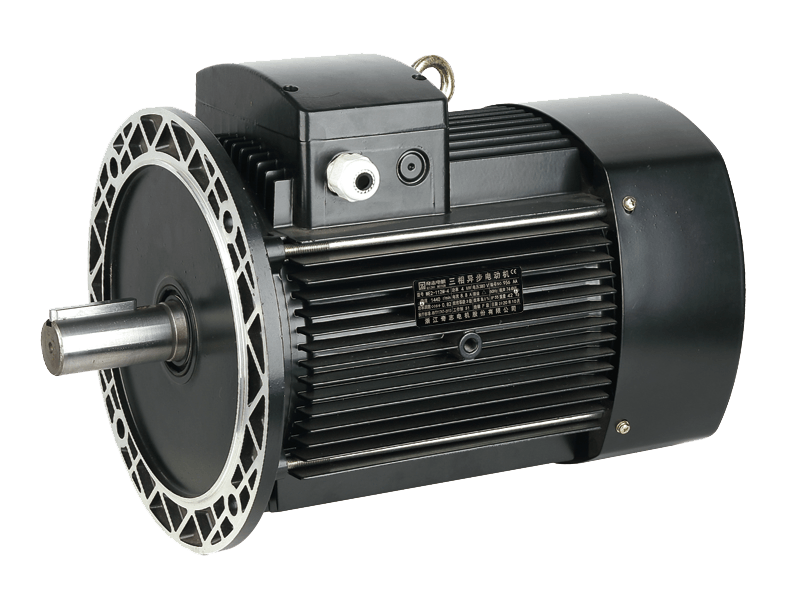
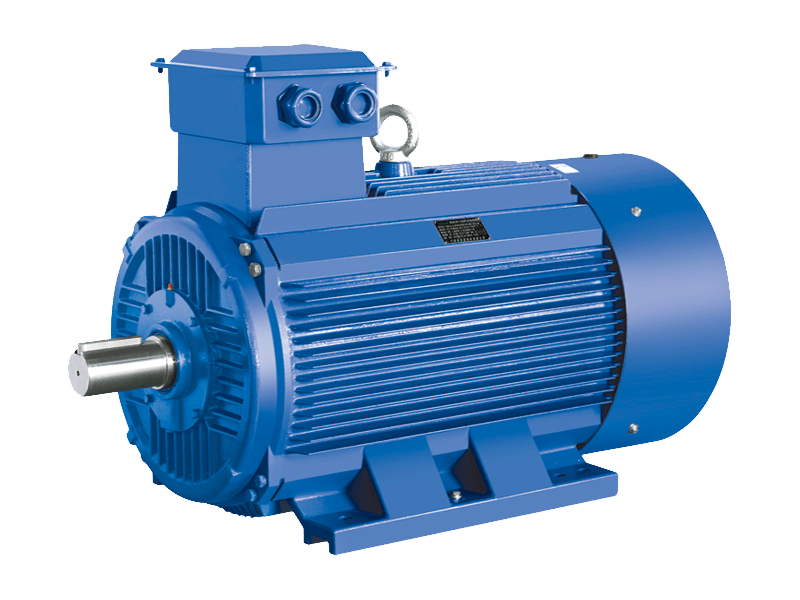
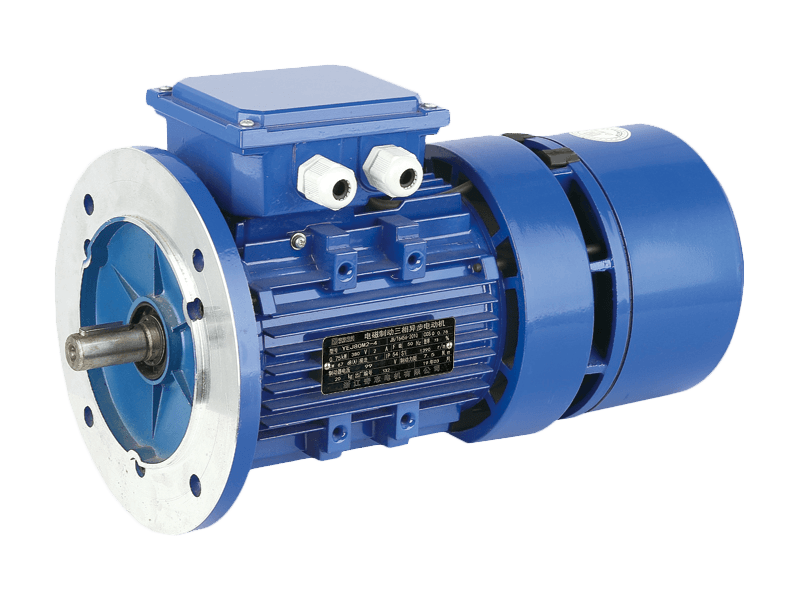
Zhejiang Qizhi Motor Co., Ltd. manufactures the YVF2 series three-phase frequency-controlled asynchronous motor for variable-speed applications. The series covers a power range of 0.55–315 kW, with a rated voltage of 380 V and special voltages available by order. Rated frequency options include 50 Hz and 60 Hz. The motor has insulation class F, protection class IP54 or IP55, and S1 duty.
The YVF2 series operates in the constant-torque range from 5 to 50 Hz and the constant-power range from 50 to 100 Hz. A built-in cooling fan forms part of its cooling arrangement. These operating ranges provide a reference for preliminary motor selection, while the torque curve, thermal limits and inverter compatibility need to be checked for the specific model.
For a Variable Frequency Three-Phase Asynchronous Motor, rated power is only one part of the selection process. Frame size, pole number, rated torque, current and mounting dimensions also affect compatibility with the driven equipment.
A variable-speed installation involves more than the motor itself. The inverter, transmission and driven machine work together, so selection should account for the full operating conditions. Buyers need to define the required speed range, load torque, duty cycle, ambient temperature and acceleration requirements. These factors help determine whether additional cooling or electrical protection is necessary.
An inverter changes how a motor produces torque, dissipates heat and experiences electrical stress. Selecting a Variable Frequency Three-Phase Asynchronous Motor around the complete operating range helps avoid mismatches between motor capability and actual load requirements. Zhejiang Qizhi Motor Co., Ltd.'s YVF2 series covers both constant-torque and constant-power operating regions, providing options for different variable-speed applications. The final model should match the machine's load profile and inverter configuration.
 中文简体
 русский
 Español
