


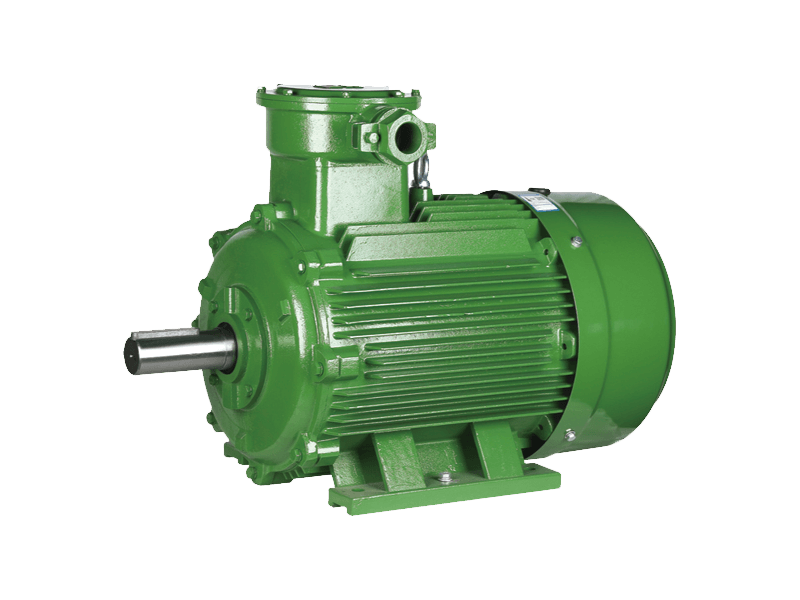
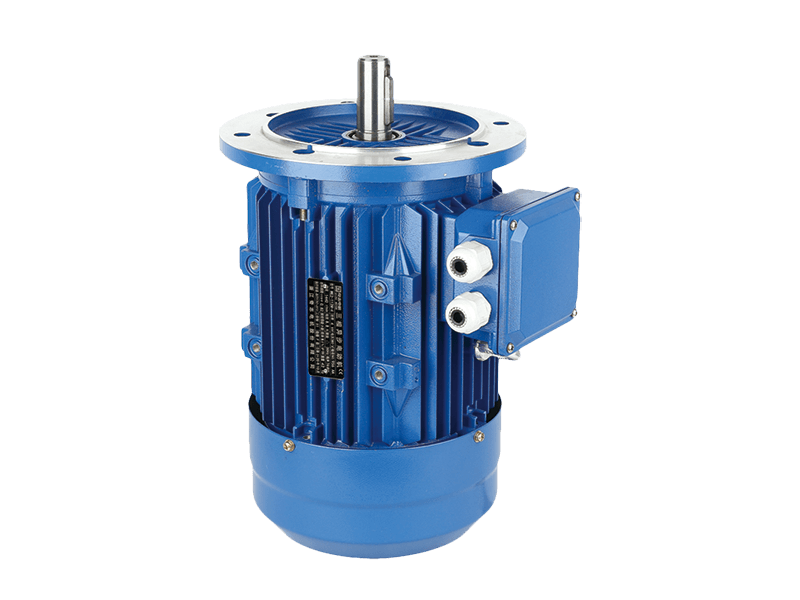
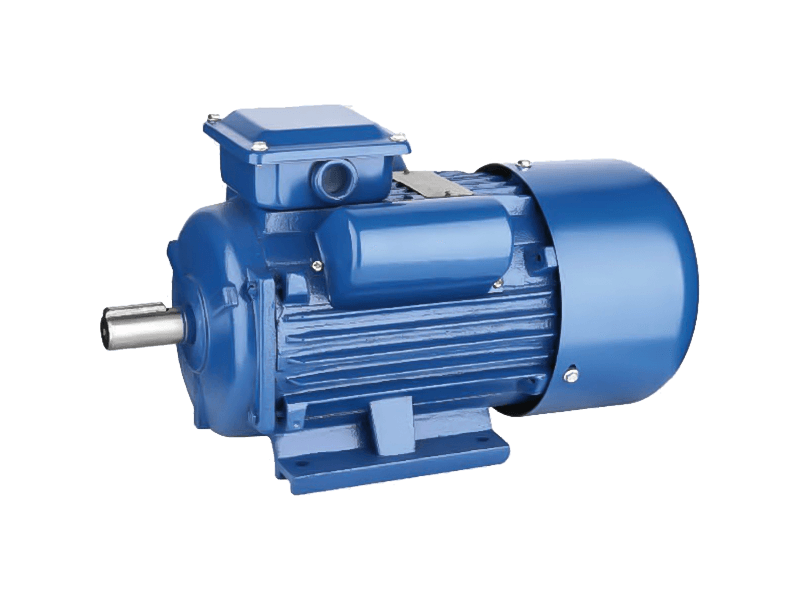
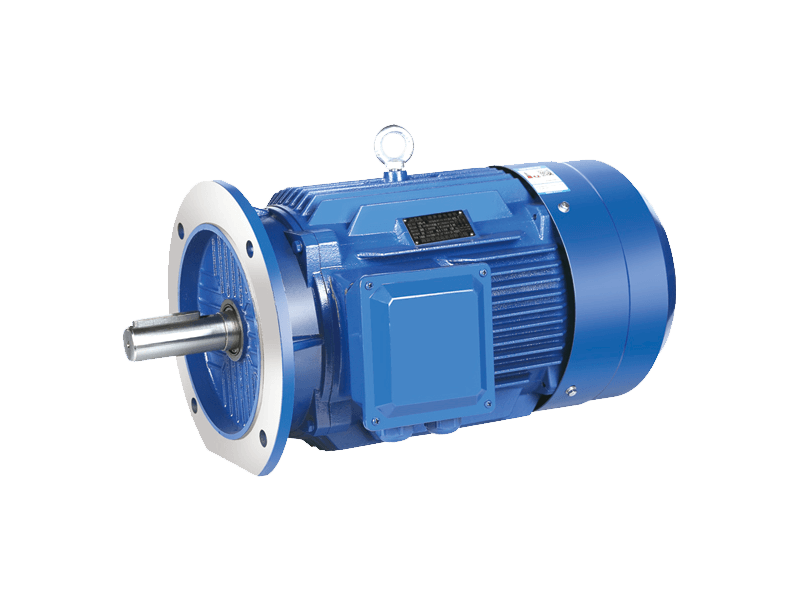
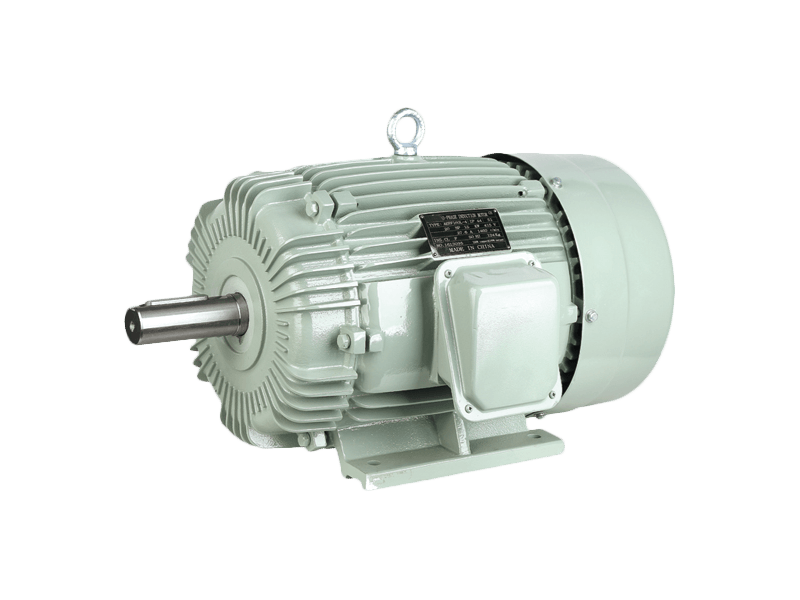
Within the vast landscape of industrial, commercial, and agricultural operations, the three phase motor persists as a fundamental and highly efficient source of rotational power. Known for its reliability, simplicity of design, and robust performance, this type of AC motor converts electrical energy into mechanical work, driving the machinery that forms the backbone of modern infrastructure and production. The continued prevalence of the three phase motor underscores its adaptability and critical role in powering systems from manufacturing plants to water treatment facilities.
The operational principle of the three phase motor, specifically the induction motor variant, is key to its widespread adoption. It utilizes a three-phase electrical supply to generate a rotating magnetic field within its stator. This rotating field induces a current in the rotor, causing it to turn without the need for direct electrical connection via brushes or slip rings. This brushless design contributes significantly to the durability and low-maintenance reputation of the three phase motor. Its self-starting capability and ability to maintain a relatively constant speed under varying loads make it exceptionally suitable for continuous-duty applications.
The advantages of the three phase motor are particularly evident when compared to single-phase alternatives. It delivers greater power density, meaning a more compact three phase motor can produce the same output as a larger single-phase motor. It operates with smoother torque and higher efficiency, pilot to lower energy consumption for the same mechanical work—a crucial factor for cost-sensitive and sustainability-focused operations. Furthermore, the design simplicity of a standard three phase motor often translates to lower manufacturing costs and enhanced long-term reliability, with fewer components prone to wear.
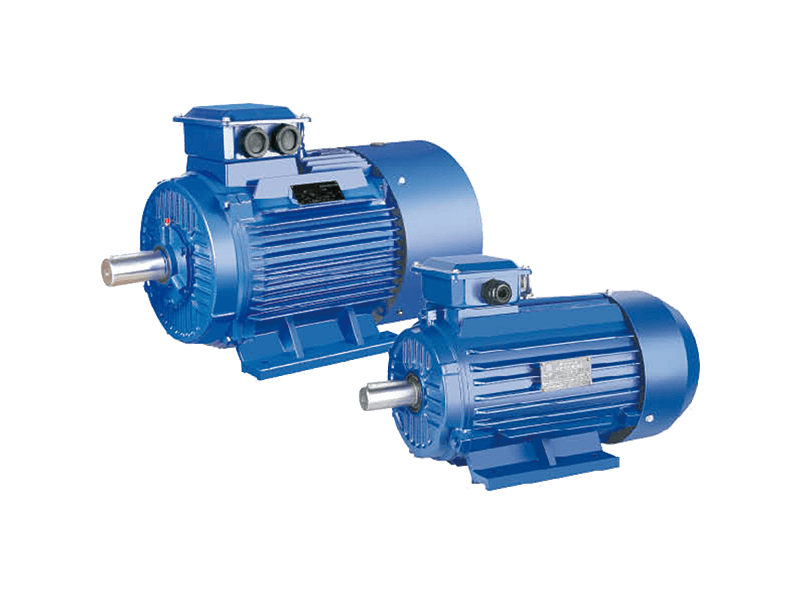
The applications for a three phase motor are extensive and varied. It is the dominant force in industrial settings, powering conveyor belts, pumps, compressors, fans, machine tools, and crushers. In commercial buildings, three phase motor units are integral to HVAC systems, elevator drives, and escalators. The agricultural sector relies on them for irrigation pumps, grain conveyors, and processing equipment. The scalability of the three phase motor, available in power ratings from fractional horsepower to thousands of horsepower, ensures a model exists for nearly any mechanical drive requirement.
Technological integration is enhancing the classic three phase motor. While the core machine remains largely unchanged, its performance is now frequently optimized through electronic control. The pairing of a three phase motor with a variable frequency drive (VFD) has become standard in many applications. A VFD allows for precise control of the motor's speed and torque by varying the frequency and voltage of the electrical supply. This enables substantial energy savings in applications like pumping and ventilation, where flow requirements change, and allows for soft starting, which reduces mechanical stress on both the motor and the driven equipment.
The three phase motor is expected to maintain its central role in global industry. Its established infrastructure, proven reliability, and compatibility with renewable energy sources and modern drive electronics secure its position. While alternative motor technologies exist for specialized applications, the balance of efficiency, cost, and robustness offered by the three phase motor remains compelling. As the global emphasis on electrification and energy efficiency grows, the evolution of this workhorse will continue, focusing on even higher efficiency standards, integrated sensor packages for predictive maintenance, and seamless connectivity within the industrial Internet of Things (IIoT), ensuring its relevance for decades to come.
 中文简体
中文简体 русский
 Español