


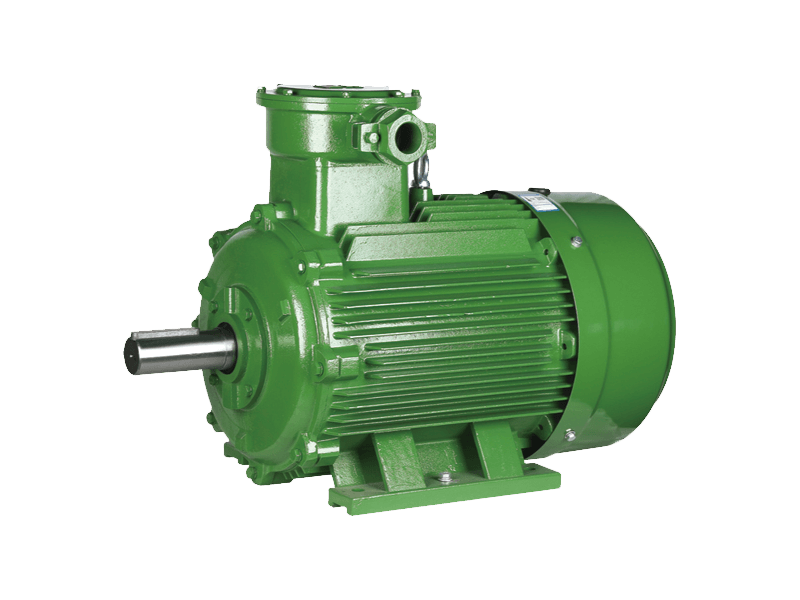
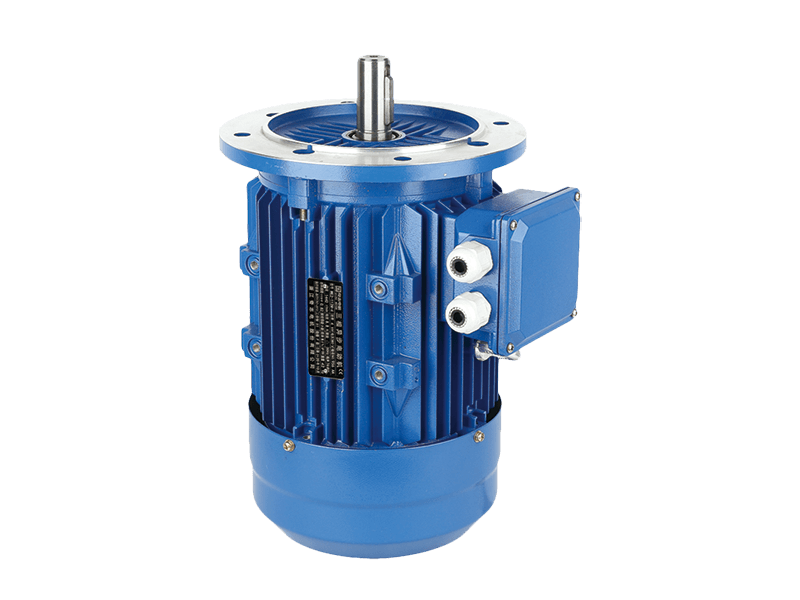
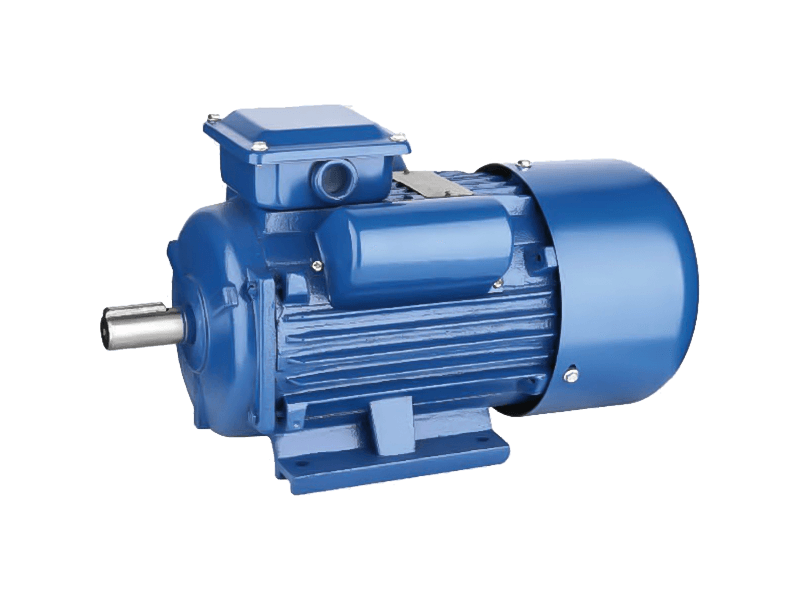
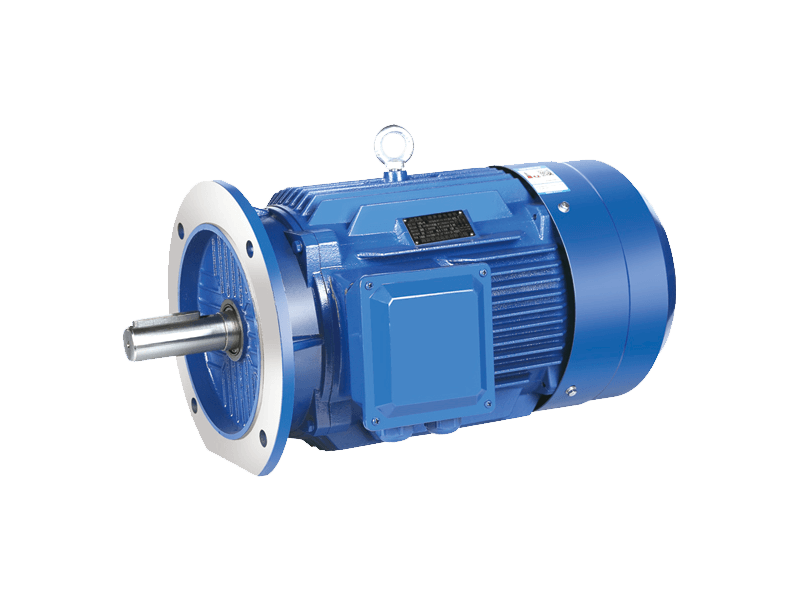
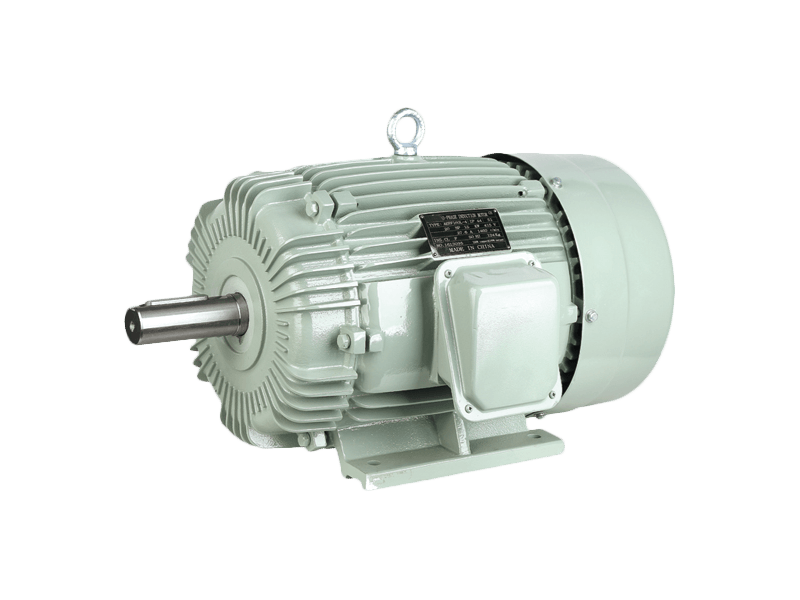
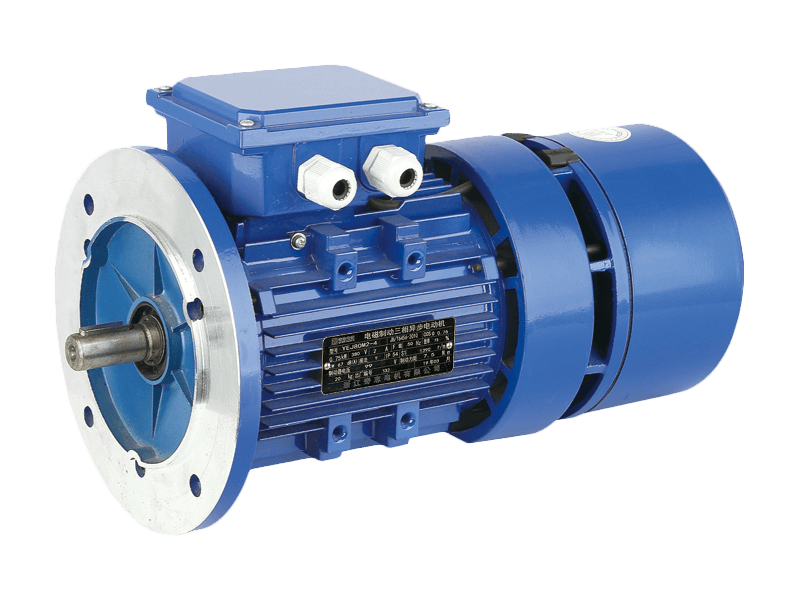
IE2 motor is an energy efficiency class standard for electric motors, established by the International Electrotechnical Commission to help users identify motors that offer better efficiency than older, less efficient designs. An IE2 motor delivers higher efficiency than IE1 motors, reducing electricity consumption and operating costs for applications such as pumps, fans, compressors, and conveyors.
The efficiency rating of an IE2 motor represents the percentage of electrical energy converted into mechanical energy. A 90 percent efficient motor converts 90 percent of the electricity it consumes into usable shaft power, with the remaining 10 percent lost as heat. The IE2 efficiency level varies by motor size, with larger motors generally achieving higher efficiency percentages. For a typical 11 kilowatt four-pole motor, the IE2 efficiency requirement is approximately 89.5 percent, compared to 86.5 percent for an IE1 motor of the same size.
The construction features that give an IE2 motor its efficiency include better steel laminations, more copper windings, and tighter manufacturing tolerances. The stator and rotor laminations are made from higher-grade electrical steel that reduces eddy current losses. The copper windings are optimized to reduce resistance losses, with more copper cross-section than in IE1 motors. The air gap between the stator and rotor is held to tighter tolerances, reducing stray load losses. These improvements cost more to manufacture but pay back through lower electricity bills.
The payback period for replacing an older motor with an IE2 motor depends on the motor size, operating hours, and electricity cost. A motor that runs continuously, such as a pump or fan in a 24/7 facility, will recover the higher initial cost of an IE2 motor much faster than a motor that runs only occasionally. For a typical industrial motor running 8,000 hours per year at average electricity rates, the payback period for an IE2 motor compared to an IE1 motor is often less than one year. After that, the savings go directly to the bottom line.
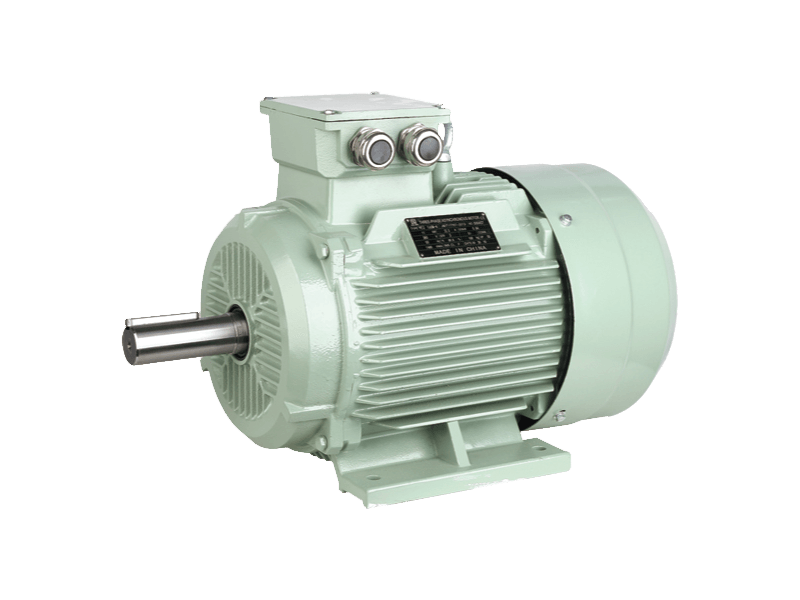
The applications for IE2 motors are widespread. In water treatment plants, IE2 motors drive pumps that move water through the facility. In HVAC systems, IE2 motors power fans that circulate air through buildings. In manufacturing, IE2 motors run conveyors, mixers, and compressors. In agriculture, IE2 motors operate irrigation pumps and ventilation fans. In each case, the higher efficiency reduces energy consumption without changing the equipment’s performance or reliability.
The selection of an IE2 motor requires matching the motor’s power rating to the load. Oversizing a motor reduces efficiency because motors operate at peak efficiency near their rated load. A motor that is significantly oversized will run at partial load, where efficiency drops. Conversely, an undersized motor will run overloaded, reducing its life and potentially tripping overload protection. The motor should be selected so its rated power is slightly above the expected load, with a safety margin for occasional peaks.
For facilities looking to reduce energy costs and improve sustainability, an IE2 motor delivers measurable savings with small disruption. It fits existing equipment, runs reliably, and uses less electricity than older motors. While higher-efficiency IE3 and IE4 motors are available, an IE2 motor offers a cost-effective balance of initial price and operating cost for many applications, paying for itself through lower utility bills while keeping equipment running smoothly.
 中文简体
中文简体 русский
 Español