


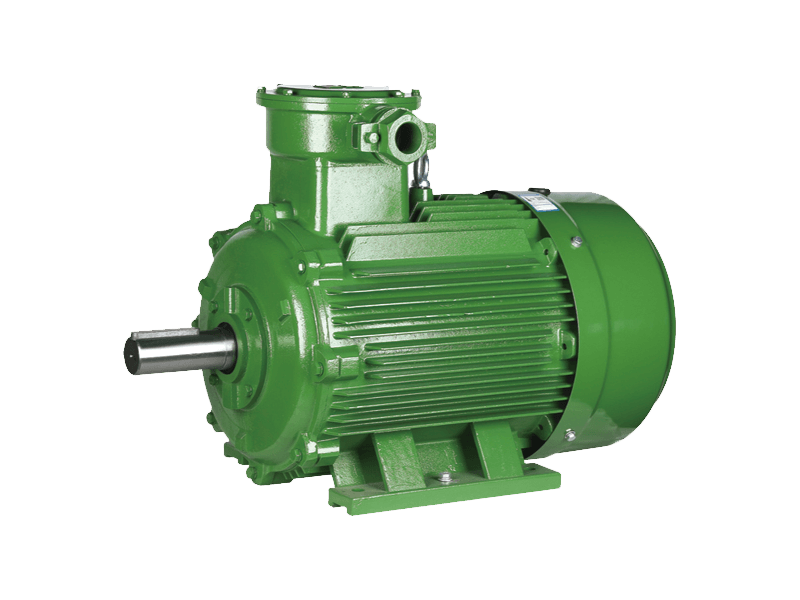
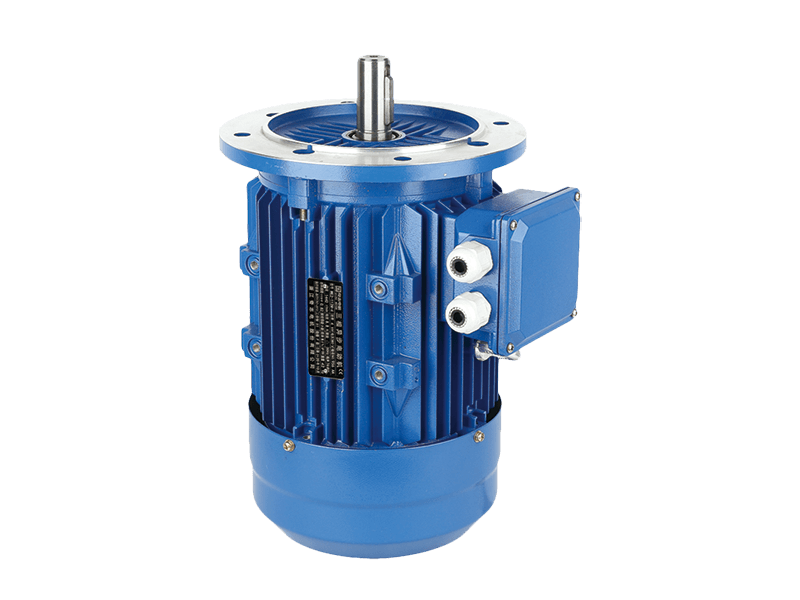
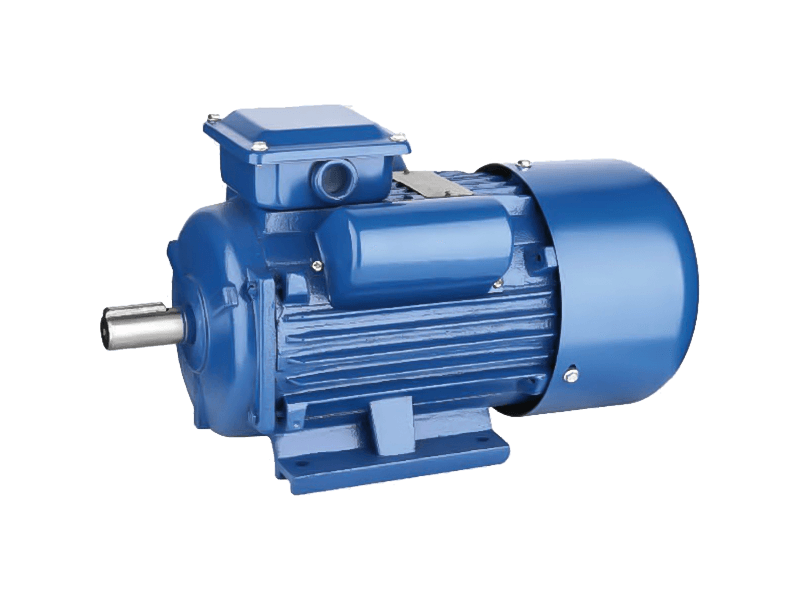
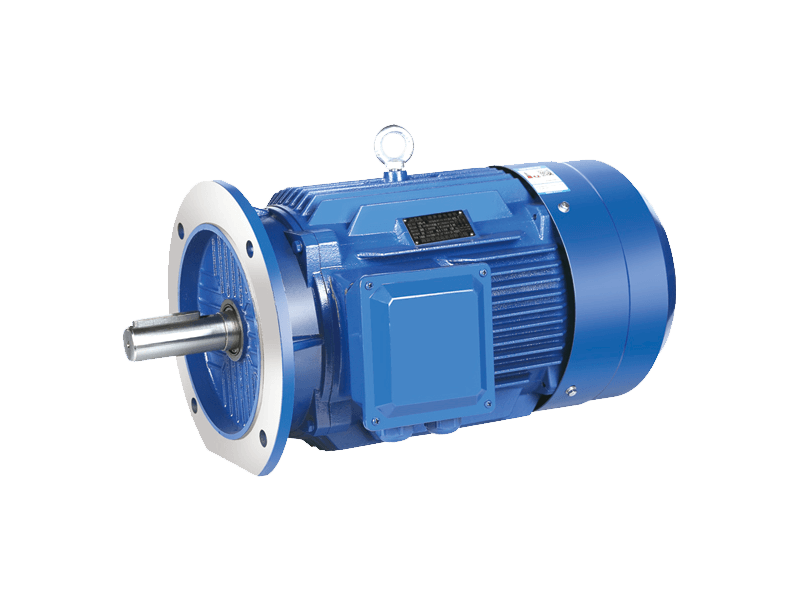
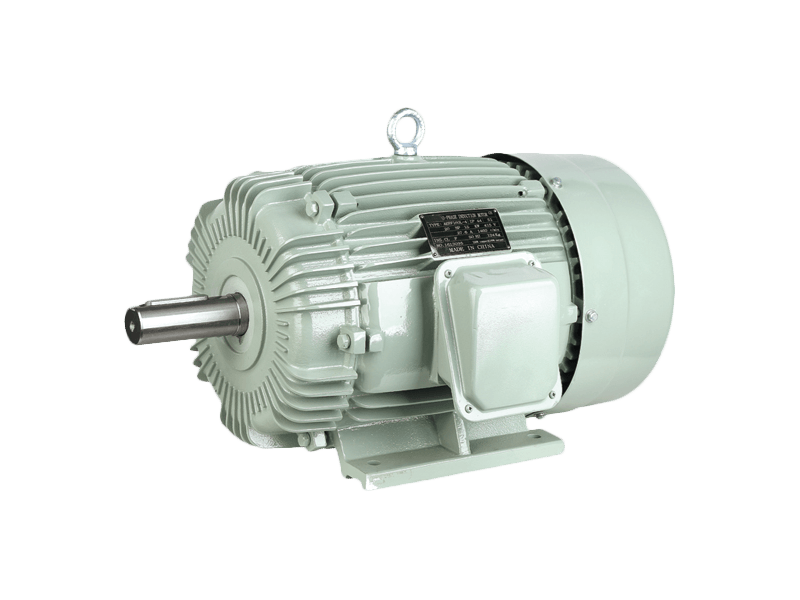
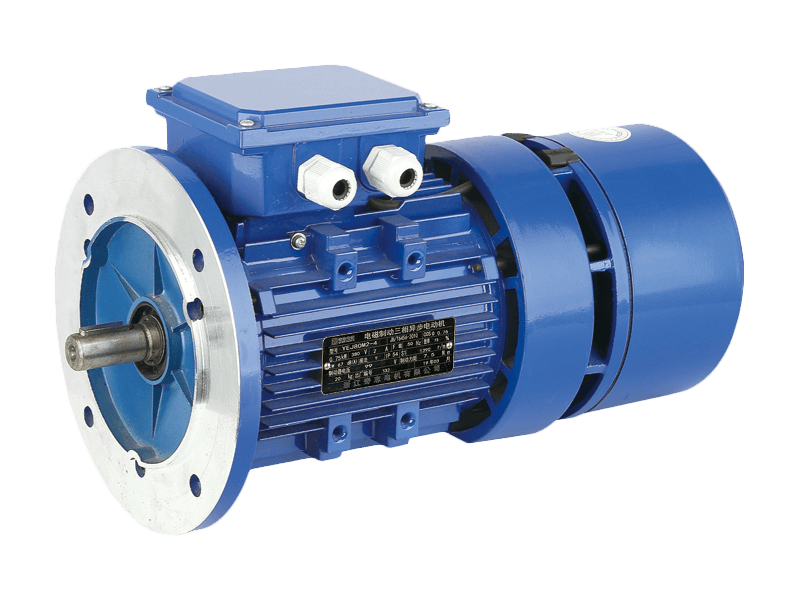
Electric motor is a device that converts electrical energy into mechanical motion, powering everything from household fans to industrial pumps. Without the electric motor, modern life would look very different, as these silent workhorses spin and lift throughout the day.
The basic principle of an electric motor is electromagnetic interaction. When electricity flows through a wire coil inside the motor, it creates a magnetic field. This field interacts with stationary magnets, causing the coil to rotate. The rotating shaft can then be connected to a fan blade, a pump impeller, or any other device that needs to move. This simple principle has been used for over a century because it works reliably.
There are several types of electric motors for different applications. AC induction motors are the common in industry, running on alternating current with no brushes. They are simple, durable, and suitable for pumps, fans, and conveyors. DC motors run on direct current and offer easy speed control, making them popular in cordless tools and electric vehicles. Stepper motors move in precise increments, used in printers, CNC machines, and medical devices. Each type serves a specific purpose.
The efficiency of an electric motor has improved significantly over the years. Older motors wasted much of their input energy as heat. Modern motors use better steel laminations, more copper windings, and tighter tolerances to convert more electricity into useful work. High-efficiency electric motors reduce energy consumption, lowering operating costs and reducing carbon emissions. For motors that run continuously, the savings from upgrading can pay for the new motor within months.
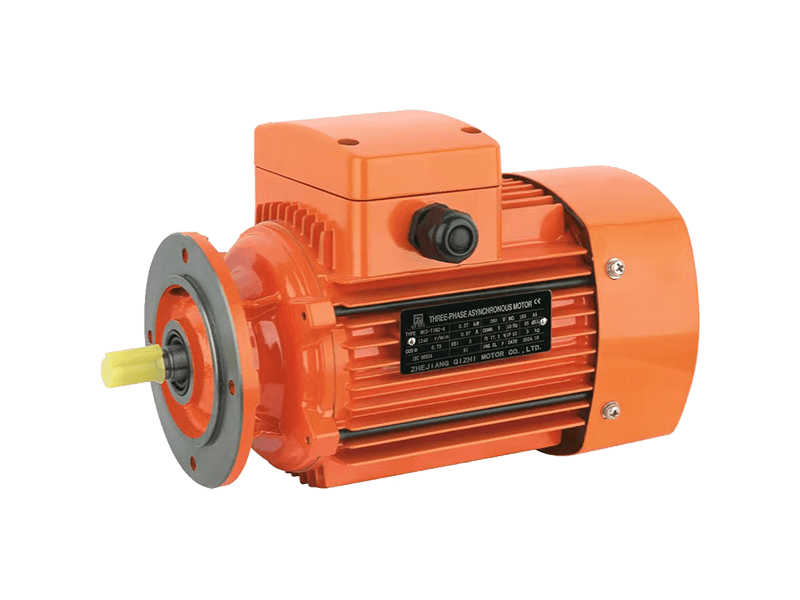
The size of an electric motor varies from tiny devices smaller than a fingernail to massive machines weighing many tons. A micro motor in a wristwatch uses very little power. A small motor in a household blender spins at thousands of revolutions per minute. A medium motor in an industrial fan runs continuously for years. A large motor in a mining operation delivers thousands of horsepower. Each motor is designed for its specific task, balancing power, speed, and duty cycle.
The power rating of an electric motor is expressed in horsepower or kilowatts. The rating indicates the mechanical power the motor can deliver continuously without overheating. An overloaded motor draws too much current and will eventually fail. An oversized motor operates at partial load, where efficiency may be lower. Selecting the right motor size for the application is important for both performance and longevity. A properly sized motor runs efficiently and lasts longer.
The starting characteristics of an electric motor vary by type. Small single-phase motors used in household appliances have starting switches or capacitors. Three-phase industrial motors draw high inrush current for a fraction of a second. Soft starters reduce starting current for large motors that would otherwise cause voltage dips. Variable frequency drives control both starting and running speed, offering smooth acceleration and adjustable speed for AC motors.
For countless devices and machines, an electric motor provides the motion that makes them useful. It spins fans to cool rooms, turns pumps to move water, and drives conveyors to move products. With quiet operation and long life, the electric motor is a clean, reliable source of mechanical power. From small toys to large factories, electric motors are always turning.
 中文简体
中文简体 русский
 Español