


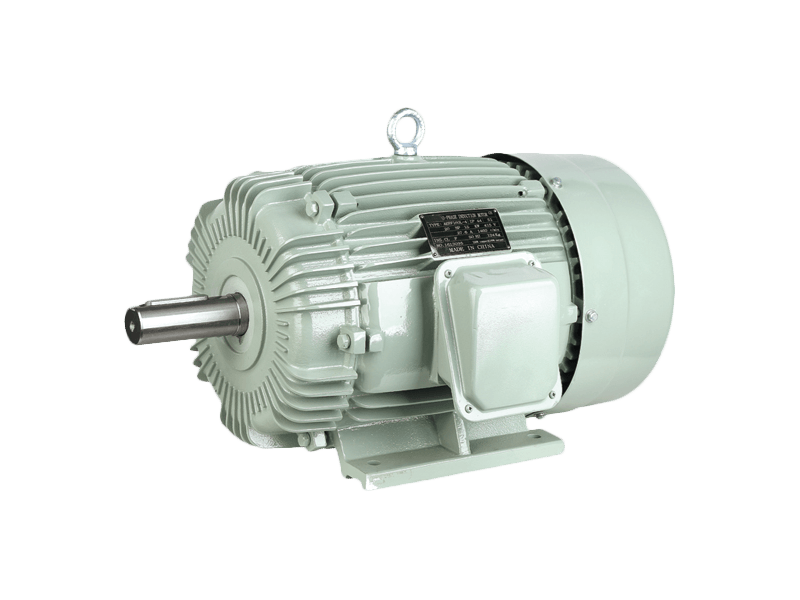
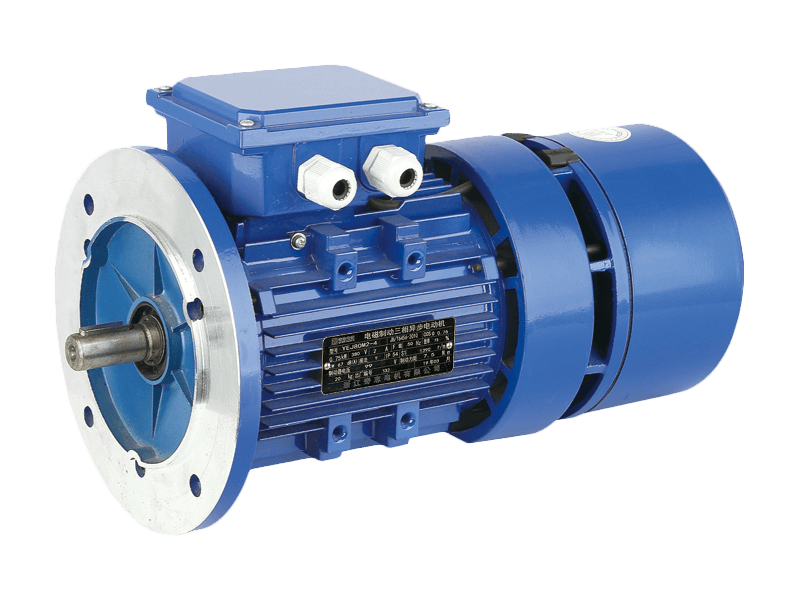
The fan motor is a common electromechanical device found in many daily applications. A fan motor converts electrical energy into rotational motion that spins fan blades. This rotation creates airflow for cooling, ventilation, or air circulation purposes. A typical fan motor is used in ceiling fans, exhaust fans, computer cooling systems, and HVAC equipment. The size of a fan motor ranges from small units of a few watts to large industrial models of several kilowatts. The operating voltage for a residential fan motor is usually 110 or 220 volts alternating current. A fan motor designed for vehicles or portable devices may run on lower direct current voltages.
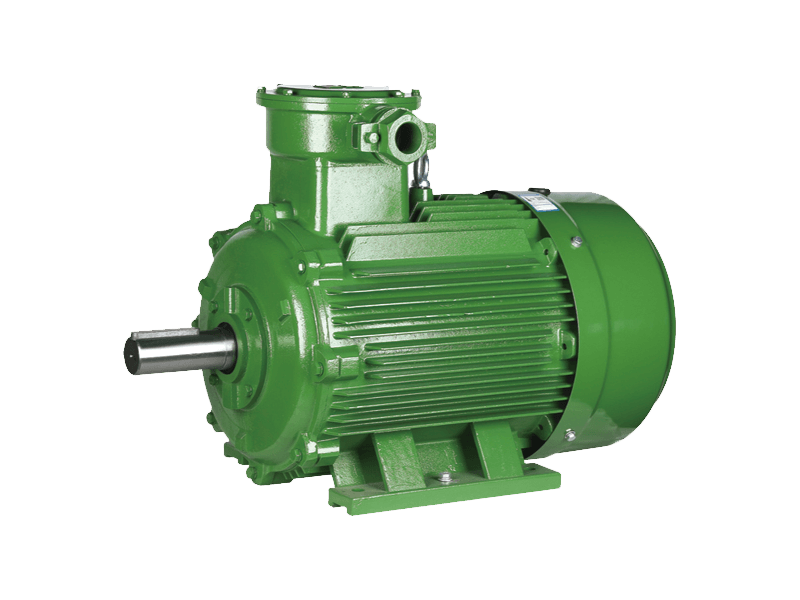
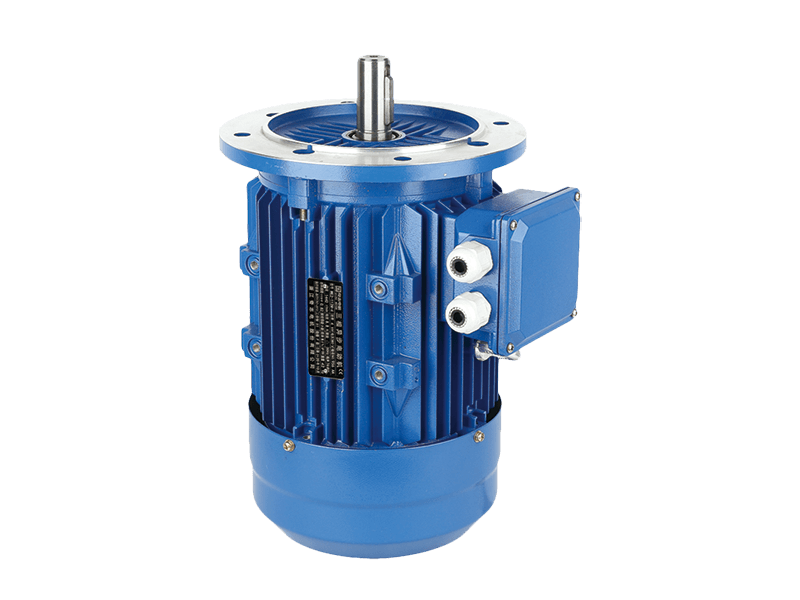
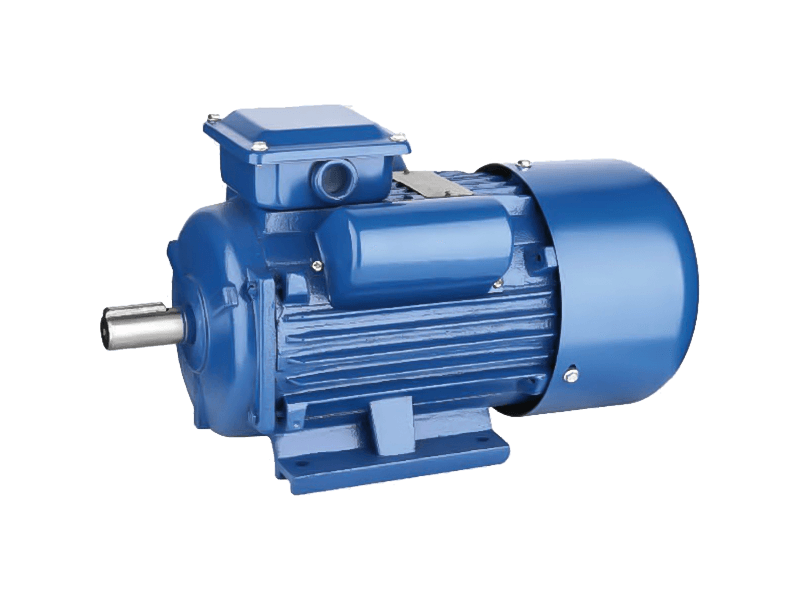
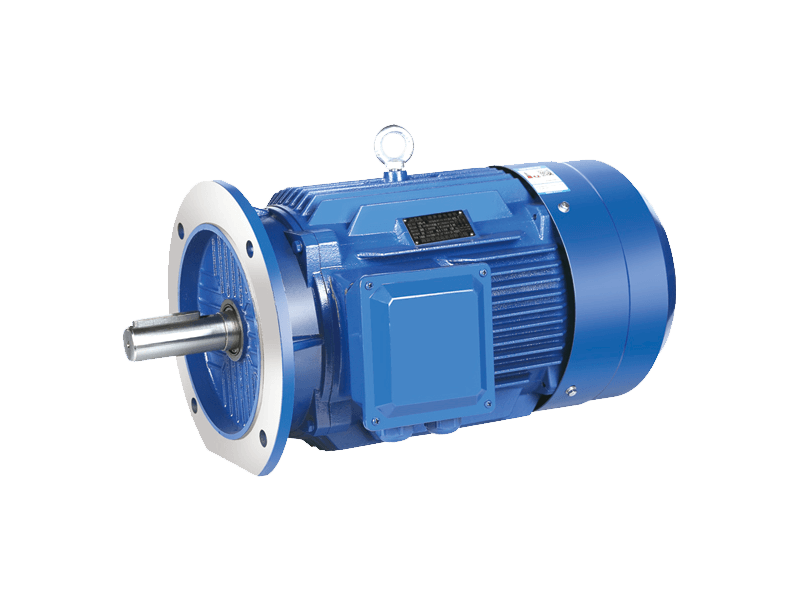
The construction of a fan motor includes several key components. A stator with copper windings creates a magnetic field inside the fan motor. A rotor mounted on bearings spins within the stator core. The shaft of the fan motor extends outward to connect to the fan blades. A housing encloses the internal parts of the fan motor and provides mounting points. Some fan motor designs include a capacitor for starting or improving efficiency. The frame of a fan motor is typically made of aluminum or steel for durability and heat dissipation.
Several types of fan motor exist for different airflow requirements. A shaded pole fan motor has a simple design with low manufacturing cost. This type of fan motor is common in small exhaust fans and refrigerator cooling fans. A permanent split capacitor fan motor offers better efficiency and speed control. This fan motor appears in ceiling fans and residential air handlers. A brushless DC fan motor provides high efficiency and quiet operation for computer and electronics cooling. An electronically commutated fan motor uses integrated electronics for precise speed regulation in modern HVAC systems.
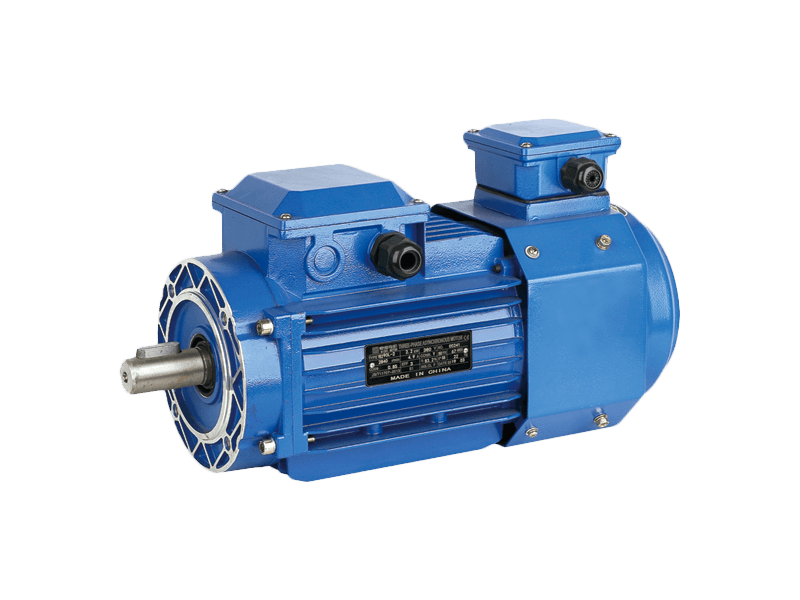
The speed control of a fan motor varies by design and application. A multi-speed fan motor uses different tap connections on the stator windings. The user selects a speed setting on the fan motor by changing which tap receives power. A variable speed fan motor uses a triac or solid-state controller to adjust voltage. This method allows smooth changes in the fan motor speed rather than fixed steps. A pulse-width modulated controller works with brushless DC fan motor designs for precise airflow management. Some industrial fan motor units use a variable frequency drive to control three-phase induction motors.
The noise level of a fan motor is an important selection factor for residential use. Magnetic noise from the fan motor can produce a humming sound at the power line frequency. Mechanical noise from fan motor bearings may develop as components wear over time. Aerodynamic noise comes from the fan blades rather than the fan motor itself. A well-designed fan motor with rubber mounting grommets reduces vibration transmission to the housing. A slower fan motor speed generally produces less noise than high-speed operation. The application environment determines the acceptable noise level from the fan motor. A fan motor for a bedroom ceiling needs quieter operation than one for an industrial warehouse exhaust system. The fan motor remains an essential component for moving air in countless devices across residential, commercial, and industrial settings.
 中文简体
中文简体 русский
 Español