


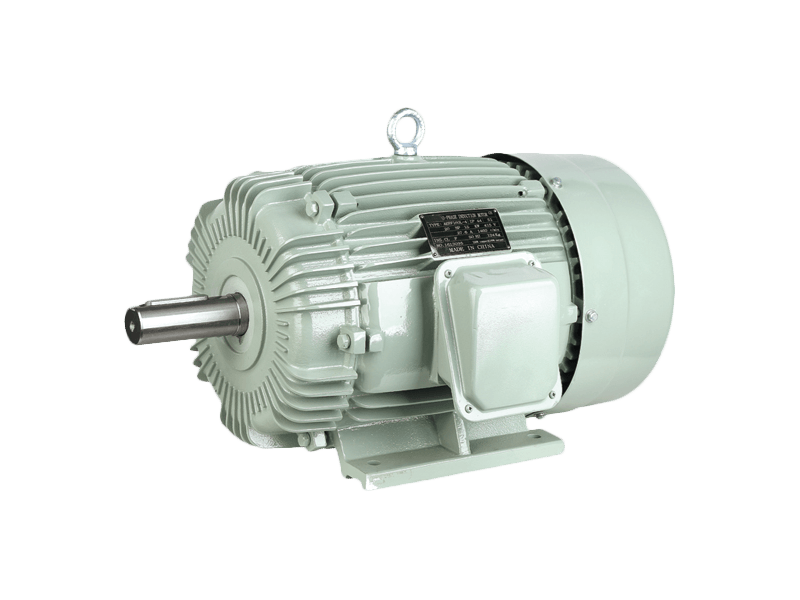
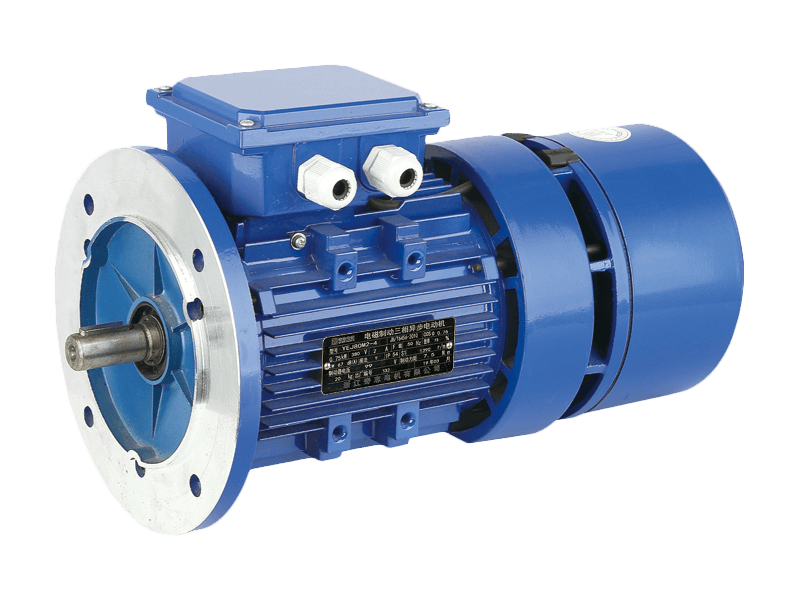
Three Phase Motor is usually not replaced at the moment it stops working. In most industrial sites, replacement decisions happen much earlier, when operators begin to notice gradual changes in how machines behave during normal production.
On many factory floors, equipment continues running even when performance is no longer the same as before. This slow change is often what leads engineers to start considering whether a Three Phase Motor should remain in service or be scheduled for replacement.
Machines rarely fail without warning.
Before any shutdown happens, there are usually smaller signs.
A machine may take slightly longer to reach stable speed.
A production line may feel less smooth during start-up.
A pump may not respond as quickly under load changes.
These observations are often the first stage where attention shifts toward a Three Phase Motor without a formal repair request being made.
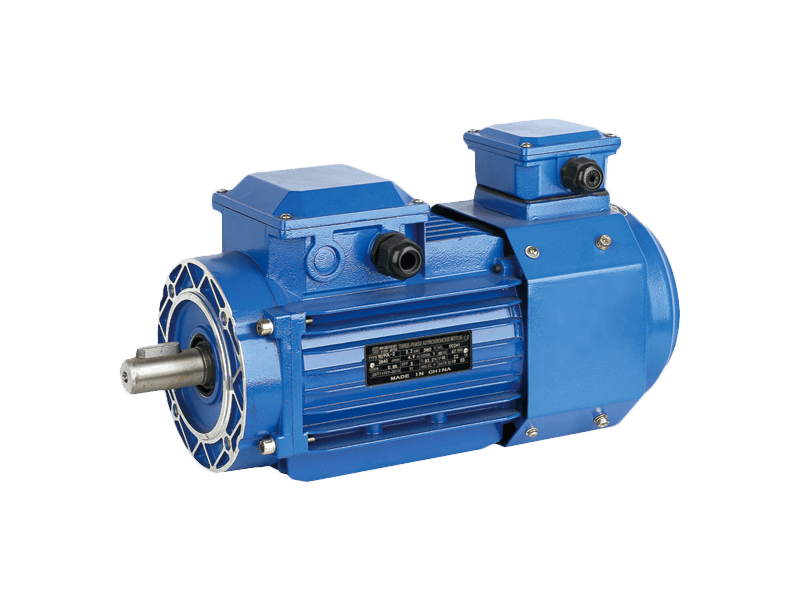
Industrial equipment does not change in one step.
It changes slowly across weeks or months.
Operators working daily on the same line often notice the difference first.
The sound is not the same.
The vibration feels slightly different during acceleration.
Even restarts after short pauses may feel less consistent than before.
At this stage, the Three Phase Motor is still functioning, but its behavior is no longer identical to earlier operation.
In real production environments, machines do not operate under fixed conditions.
Material density changes throughout the shift.
Processing resistance increases or decreases depending on the input.
Conveyors may carry different loads during the same day.
These variations make small performance changes easier to notice in a Three Phase Motor, even if the motor itself has not failed.
In most factories, operators do not measure motor data continuously.
They rely on experience.
How the machine sounds when it starts.
How stable it feels during long operation.
Whether anything feels “heavier” than before.
These simple impressions often trigger discussions about whether a Three Phase Motor should stay in the system or be planned for replacement in the next maintenance cycle.
As motors age, changes are not always obvious.
They do not stop immediately.
Instead, performance slowly shifts.
Start-up becomes less sharp.
Steady operation takes longer to stabilize.
These small differences accumulate over time and are often noticed in long-running Three Phase Motor installations before any technical fault is recorded.
A motor does not work alone.
It interacts with belts, couplings, gearboxes, and driven machines.
When a motor begins to age, these interactions become more sensitive.
A small imbalance in one part of the system may become more noticeable in another.
This is often when engineers begin evaluating whether the Three Phase Motor is still suitable for continued operation.
In some factories, equipment can be stopped easily for inspection.
In others, production schedules are continuous, and interruptions are costly.
Because of this, replacement planning is usually adjusted around production demands rather than motor condition alone.
A Three Phase Motor may remain in use longer if downtime is difficult to schedule, even when subtle performance changes are already present.
Most replacements are not triggered by a breakdown.
They happen during planned maintenance discussions.
When multiple small changes are noticed across a period of time, teams begin preparing for replacement rather than waiting for a complete stop.
In this way, the lifecycle of a Three Phase Motor is often defined by gradual observation rather than sudden failure.
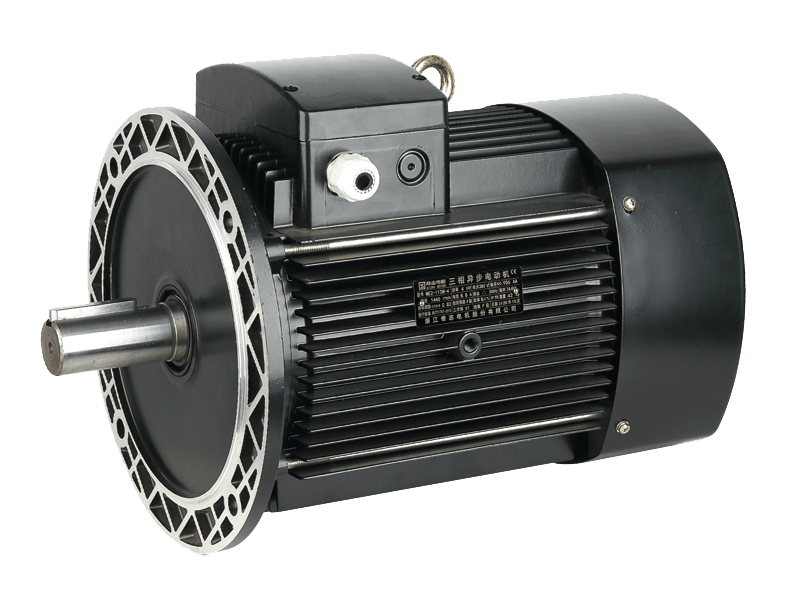
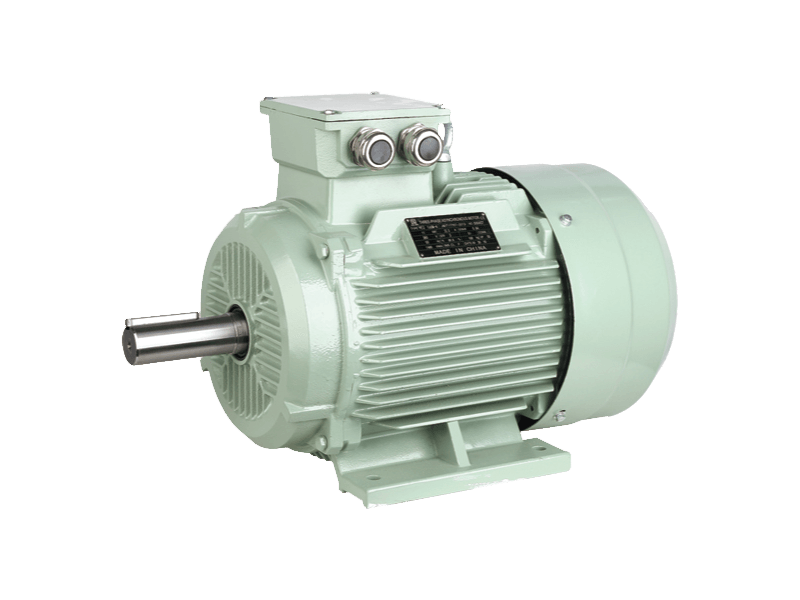
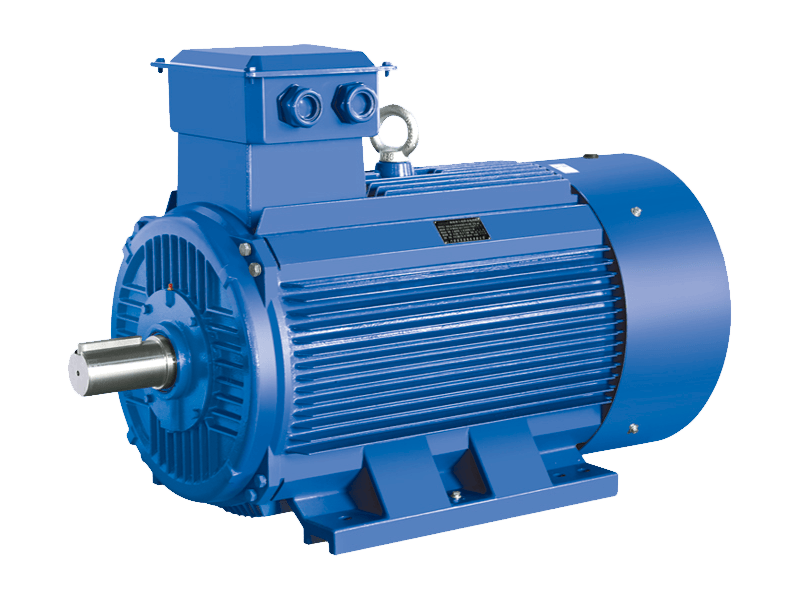
 中文简体
中文简体 русский
 Español