


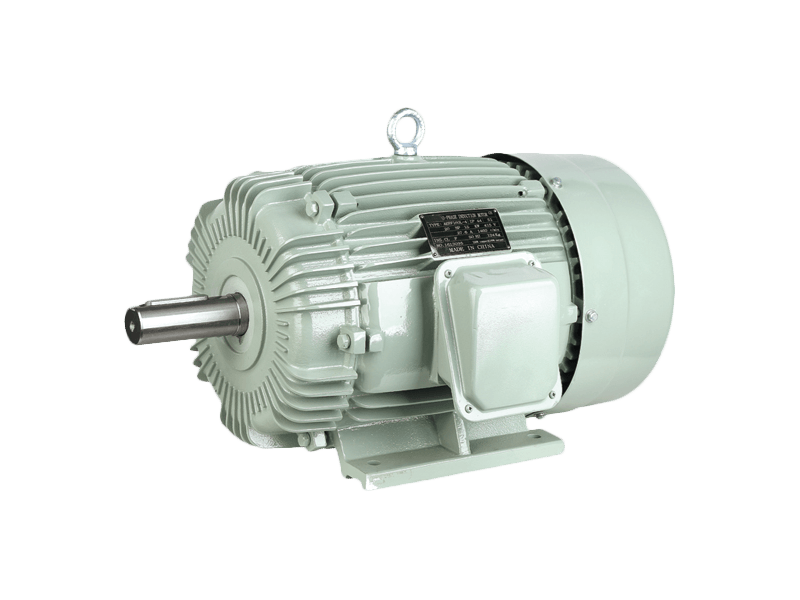
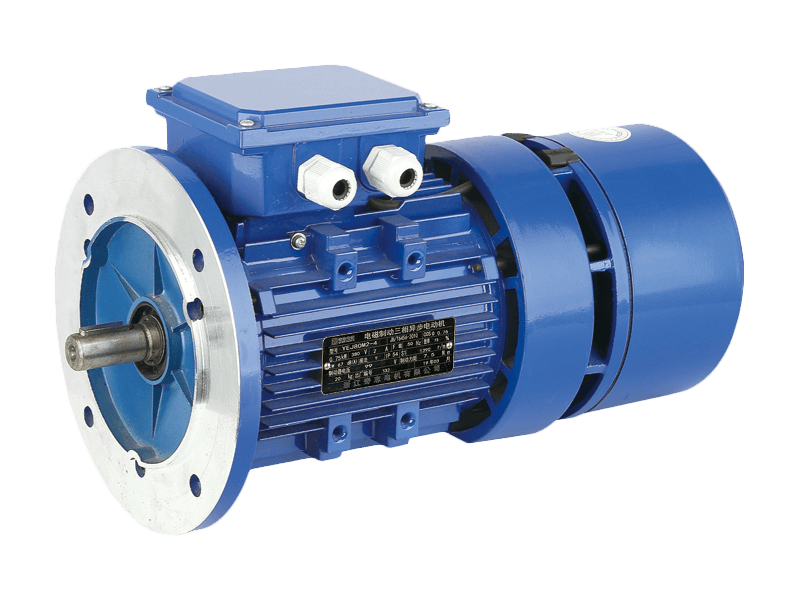
The three phase motor continues to serve as a primary source of mechanical power across manufacturing, processing, and infrastructure facilities worldwide. A three phase motor converts electrical energy into rotational motion using the principle of rotating magnetic fields, offering efficiency and reliability that have made it the standard choice for industrial applications requiring continuous operation. The three phase motor's design, with no starting capacitors or centrifugal switches, contributes to its durability and reduced maintenance requirements compared to single-phase alternatives.
The operating principle of a three phase motor relies on the interaction between stator windings and the rotor. When three-phase electrical power is supplied to the three phase motor, the stator creates a rotating magnetic field that induces current in the rotor, producing torque that drives the attached load. This self-starting characteristic of the three phase motor eliminates the need for additional starting components, simplifying both the motor design and the control circuitry. The three phase motor's ability to operate across a range of speeds when paired with variable frequency drives has expanded its application in systems requiring adjustable output.
Industrial sectors that depend on the three phase motor include pumping, material handling, ventilation, and compression. A water treatment facility may operate dozens of three phase motor units driving pumps that move water through various processing stages. A manufacturing plant uses three phase motor systems to power conveyor belts, mixers, grinders, and extruders, with motor sizes ranging from fractional horsepower to thousands of kilowatts. The three phase motor's consistent torque output makes it particularly suitable for loads that remain relatively steady during operation, such as fans, blowers, and centrifugal pumps.
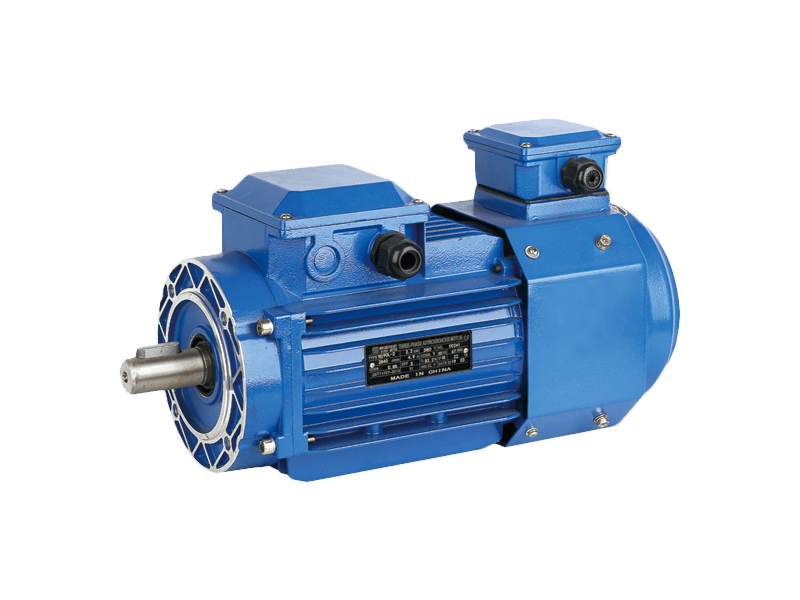
Energy efficiency has become an increasingly important consideration in three phase motor selection. Modern three phase motor designs achieve higher efficiency levels through improved materials, tighter manufacturing tolerances, and optimized electromagnetic designs. An energy-efficient three phase motor consumes less electricity for the same mechanical output, reducing operating costs over the motor's service life. Many facilities have implemented programs to replace older three phase motor units with premium efficiency models, recognizing that the initial investment is often recovered through energy savings within a few years of continuous operation.
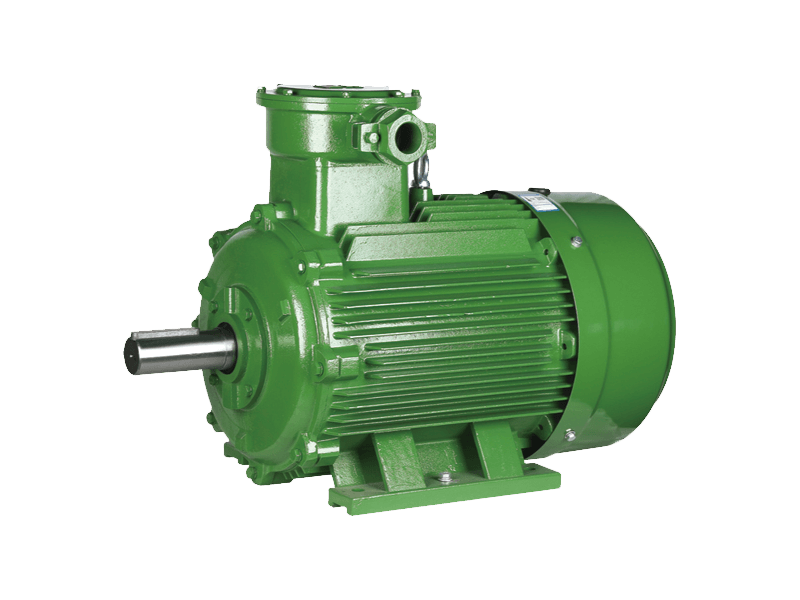
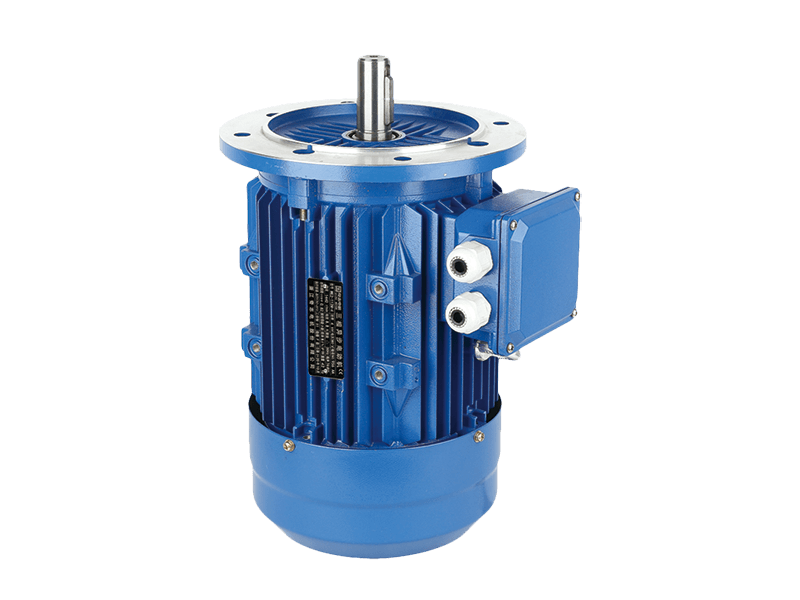
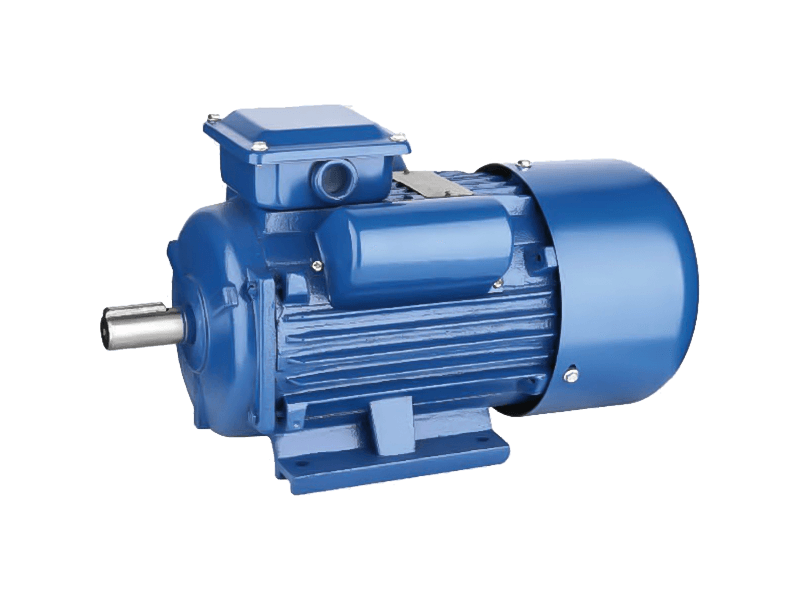
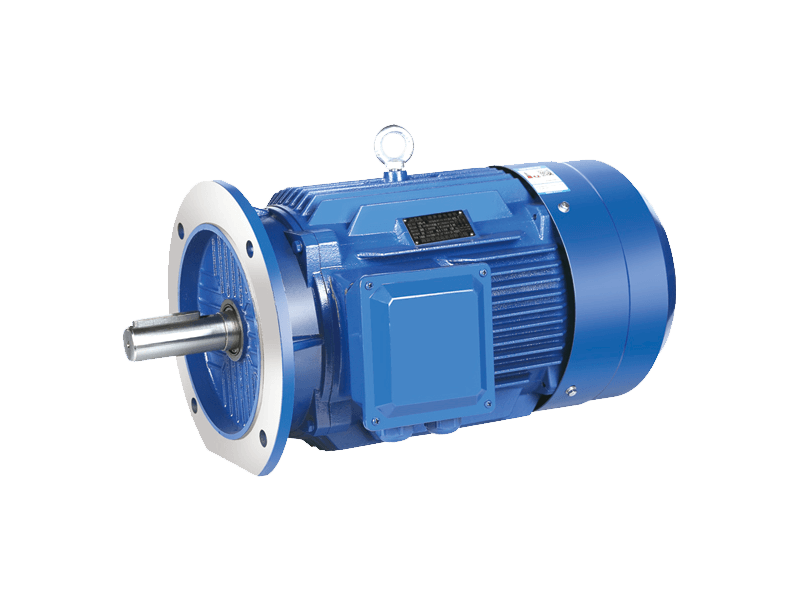
The enclosure types available for three phase motor applications allow selection appropriate for different operating environments. An open drip-proof three phase motor suits indoor locations where airborne contaminants are small, while a totally enclosed fan-cooled three phase motor protects internal components from dust and moisture in more challenging conditions. Hazardous location three phase motor designs incorporate additional safety features for use in environments where flammable gases or dusts may be present. The availability of these enclosure options contributes to the three phase motor's versatility across industrial settings.
The three phase motor remains fundamental to industrial electrification and automation. As industries continue to pursue greater efficiency and reliability, the three phase motor will likely maintain its central position in powering the equipment that drives production and processing. The three phase motor's proven design, combined with ongoing refinements in materials and controls, supports its continued relevance in modern industrial applications. The three phase motor will probably remain the preferred choice for industrial power conversion for the foreseeable future.
 中文简体
中文简体 русский
 Español