


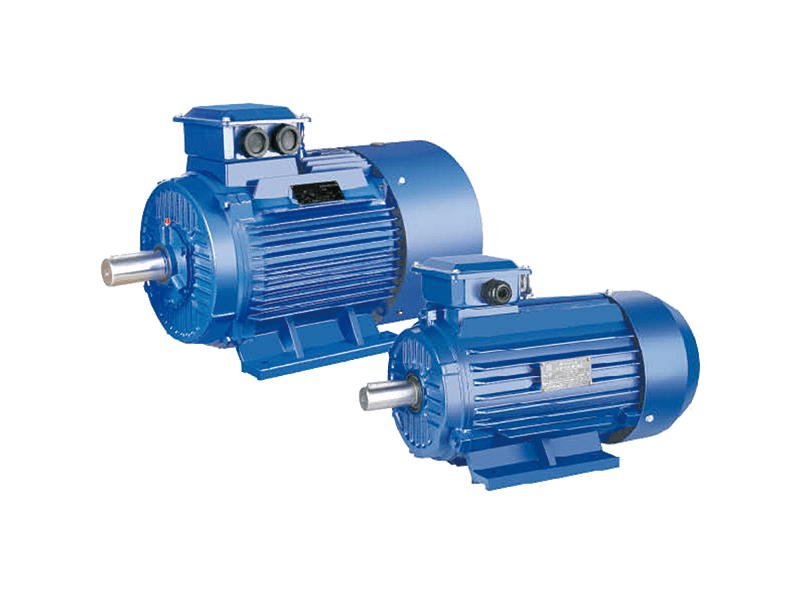
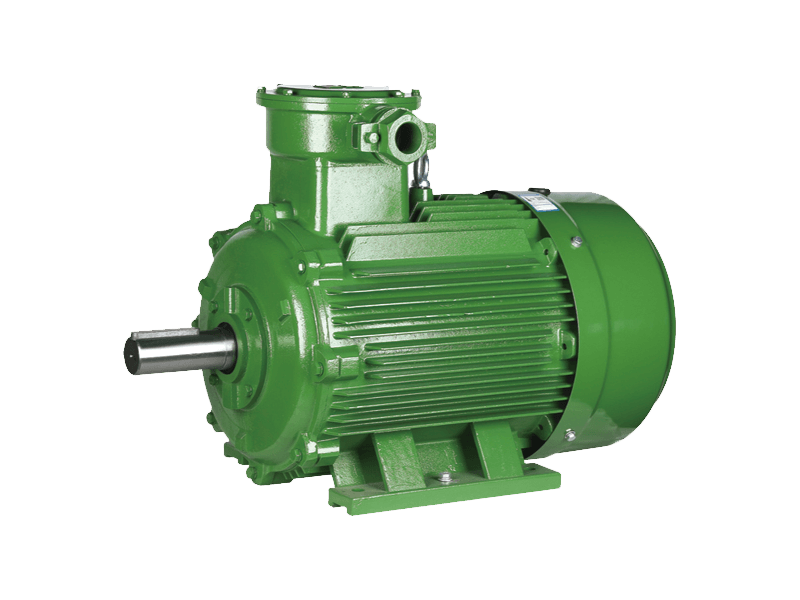
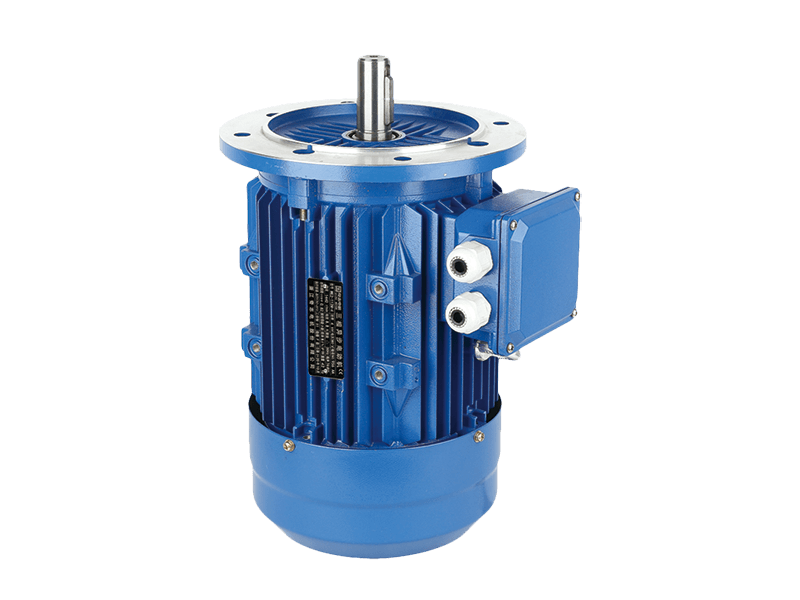
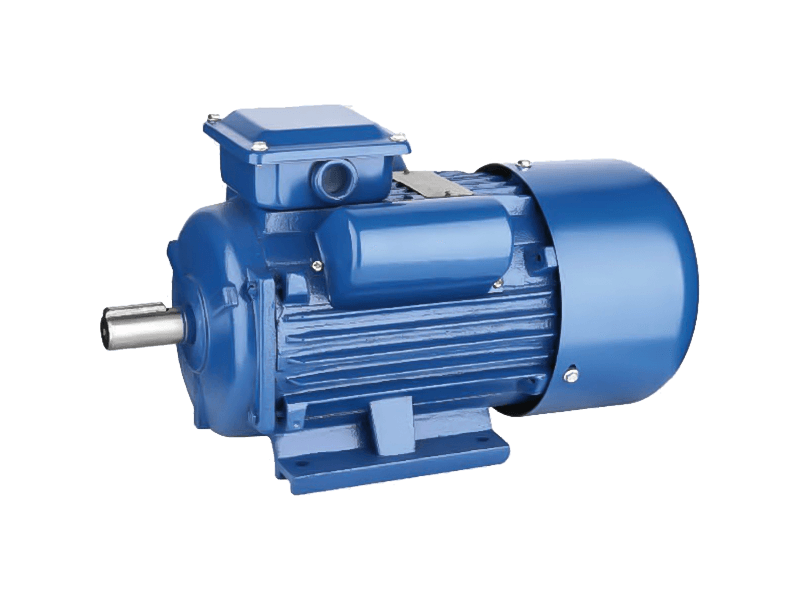
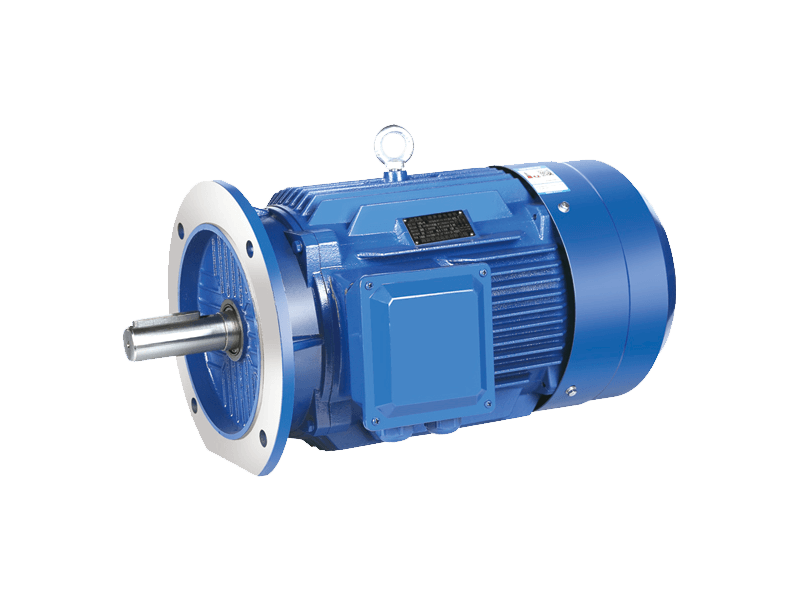
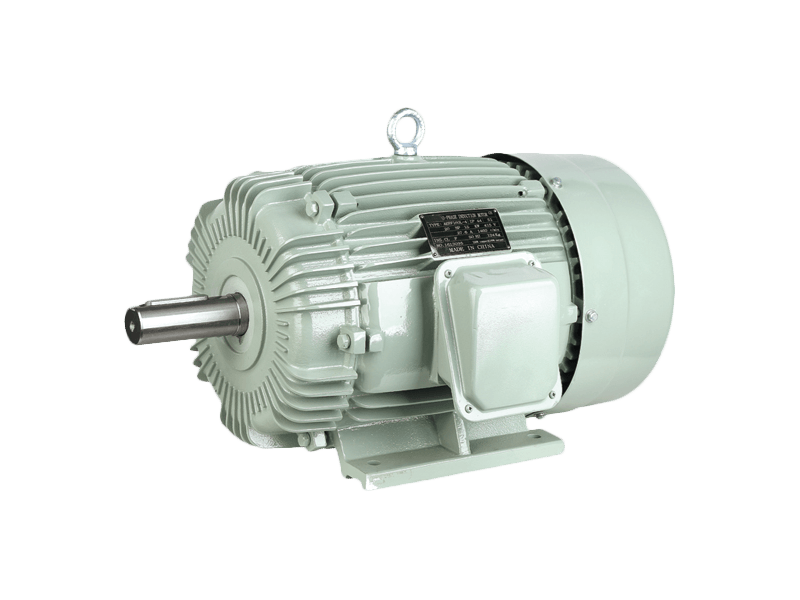
Industrial equipment buyers replacing aging motor fleets are paying closer attention to efficiency classification standards as electricity costs climb across manufacturing sectors. A Y2 motor built to IE2 efficiency standards is showing up more frequently on procurement lists for pump stations, conveyor systems, and compressor drives, replacing older motor generations that consumed noticeably more power per unit of mechanical output across the same duty cycle.
IE2 efficiency classification reflects specific loss reduction targets across a motor's electrical and mechanical components, and manufacturers achieving this rating on a Y2 motor redesign stator winding configuration to reduce copper losses compared with older motor generations built to lower efficiency standards. Thicker copper wire in the stator winding lowers electrical resistance, reducing the heat generated during normal operation and translating directly into less wasted energy converted to heat rather than useful mechanical work.
Winding configuration changes also affect motor size and weight, since achieving IE2 efficiency typically requires more copper material packed into the same stator frame size compared with a lower-efficiency motor of equivalent power rating. Factories producing a Y2 motor line balance this added material cost against the efficiency gain, since buyers evaluating total cost of ownership increasingly weigh the higher upfront purchase price against electricity savings accumulated across the motor's operational lifespan.
Rotor bar design affects slip losses, the energy wasted as the rotor's actual rotation speed lags behind the theoretical synchronous speed determined by the motor's electrical frequency. A rotor bar design using lower-resistance aluminum or copper alloy reduces this slip-related energy loss, and manufacturers building a Y2 motor to IE2 standards typically specify rotor bar material and geometry more precisely than older motor designs where slip loss reduction was not a primary design priority.
Cooling fan design at the rotor's end also contributes to total efficiency, since a poorly optimized cooling fan draws mechanical power away from useful output while providing only marginal cooling benefit relative to its power draw. Engineers refining this cooling system geometry balance airflow requirements against the parasitic power draw the fan itself represents, aiming for adequate thermal management without sacrificing more efficiency than necessary to achieve it.
Bearing friction contributes a smaller but still measurable share of total motor losses, and bearing selection for a high-efficiency motor line factors into the total IE2 rating alongside the larger electrical loss reduction achieved through winding and rotor improvements. Manufacturers producing a Y2 motor select bearing grease formulations and bearing clearances calibrated specifically for reduced friction across the motor's expected operating temperature range, since a bearing optimized only for low-temperature efficiency may show increased friction losses once the motor reaches typical operating temperature during continuous industrial use.
Continuous-duty applications running a motor at or near rated load for extended periods benefit considerably from IE2 efficiency improvements, since the accumulated energy savings compound significantly across thousands of operating hours per year. A Y2 motor installed on an intermittent-duty application running only briefly throughout a shift shows a smaller absolute energy savings compared with the same motor installed on continuous pump or fan duty, a distinction that matters for buyers calculating expected payback period against the higher purchase price of an IE2-rated motor.
Facilities managers evaluating motor fleet upgrades increasingly prioritize continuous-duty applications early when planning phased replacement of older motors with efficient IE2-rated units, targeting the installations where efficiency gains translate into the largest measurable reduction in facility electricity costs before extending the upgrade program to intermittent-duty equipment carrying a longer payback timeline.
Buyers sourcing a Y2 motor for large-scale facility upgrades increasingly request efficiency test documentation verified against recognized international testing standards, treating IE2 certification as a baseline requirement rather than a marketing claim accepted without independent verification behind the stated efficiency figures.
Factories exporting these motors to multiple regions also maintain documentation formatted for different national testing protocols, since IE2 verification methodology can differ slightly between testing bodies even when the underlying efficiency target remains consistent across regions. Buyers managing procurement across facilities in several countries request a supplier able to provide this cross-region documentation from a single production line, avoiding the added complexity of sourcing motors from different suppliers depending on which country's certification framework a given facility falls under. This consolidated sourcing approach also simplifies spare parts inventory and maintenance training, since technicians working across multiple facility locations benefit from familiarity with a single motor platform rather than needing separate expertise for each region's locally sourced equipment.
 中文简体
中文简体 русский
 Español